
Audax Private Equity Strategy and Performance in the Lower Middle Market

Introduction
You have probably heard the name Audax Private Equity float around if you follow the middle market. This firm has been around since 1999 and built a strong reputation for disciplined, value-oriented investing. But what makes it stand out in a crowded field?
For founders and investors exploring potential partners, understanding Audax’s approach is key. The firm focuses on the lower middle market, with over $30 billion in assets under management. That puts it among the larger players in that space. Audax has invested in more than 180 platforms and completed over 1,400 add-on acquisitions. These numbers show a firm that does not just write checks. It actively helps companies grow through its Buy & Build strategy.
The firm targets three main sectors: business services, healthcare, and technology. Within these areas, it looks for companies that can scale through organic growth and smart acquisitions. This method has earned Audax recognition. In 2025, it was named a top 2% of global private equity firms by HEC Paris-Dow Jones, advancing five spots from the prior year.

For limited partners (LPs) and founders, evaluating a private equity partner means looking beyond brand names. You need to understand investment philosophy, track record, and available resources. Audax brings a dedicated team of over 270 employees and a structured value creation framework called the Audax Value Agenda.
If you want to put Audax in context with other large investment firms, check out our guide on the biggest investment companies of 2026 and how they affect startups. It helps you compare different capital providers.
The private equity landscape keeps shifting. Staying informed on trends, especially around technology and artificial intelligence, can give you an edge. For daily insights on AI and tech developments that influence dealmaking, consider subscribing to The Deep View Newsletter. It delivers clear, actionable updates straight to your inbox.
Audax Private Equity: Firm Overview & History
Let’s zoom in on where Audax Private Equity came from and how it got to where it is today.
The story starts in 1999. That is when Audax Group was founded. From the beginning, the firm set its sights on the middle market. It did not chase the biggest deals on Wall Street. Instead, it looked for companies that were big enough to have a track record but small enough to still need a real partner to grow.
Over time, that bet paid off. The private equity arm now has roughly $19.5 billion in assets under management as of January 2026. You can see the full path the firm took by looking at the Audax Group history timeline.

It shows key milestones like the first fund, the expansion into debt, and major add-on acquisition milestones.
Leadership at the Top
The person steering the ship is Geoffrey S. Rehnert, the CEO of Audax Group. He has been with the firm since the early days. Alongside him is a veteran team of investment professionals who bring deep sector knowledge in business services, healthcare, and technology. That level of experience matters when you are making control investments in lower middle market companies.
How the Strategy Took Shape
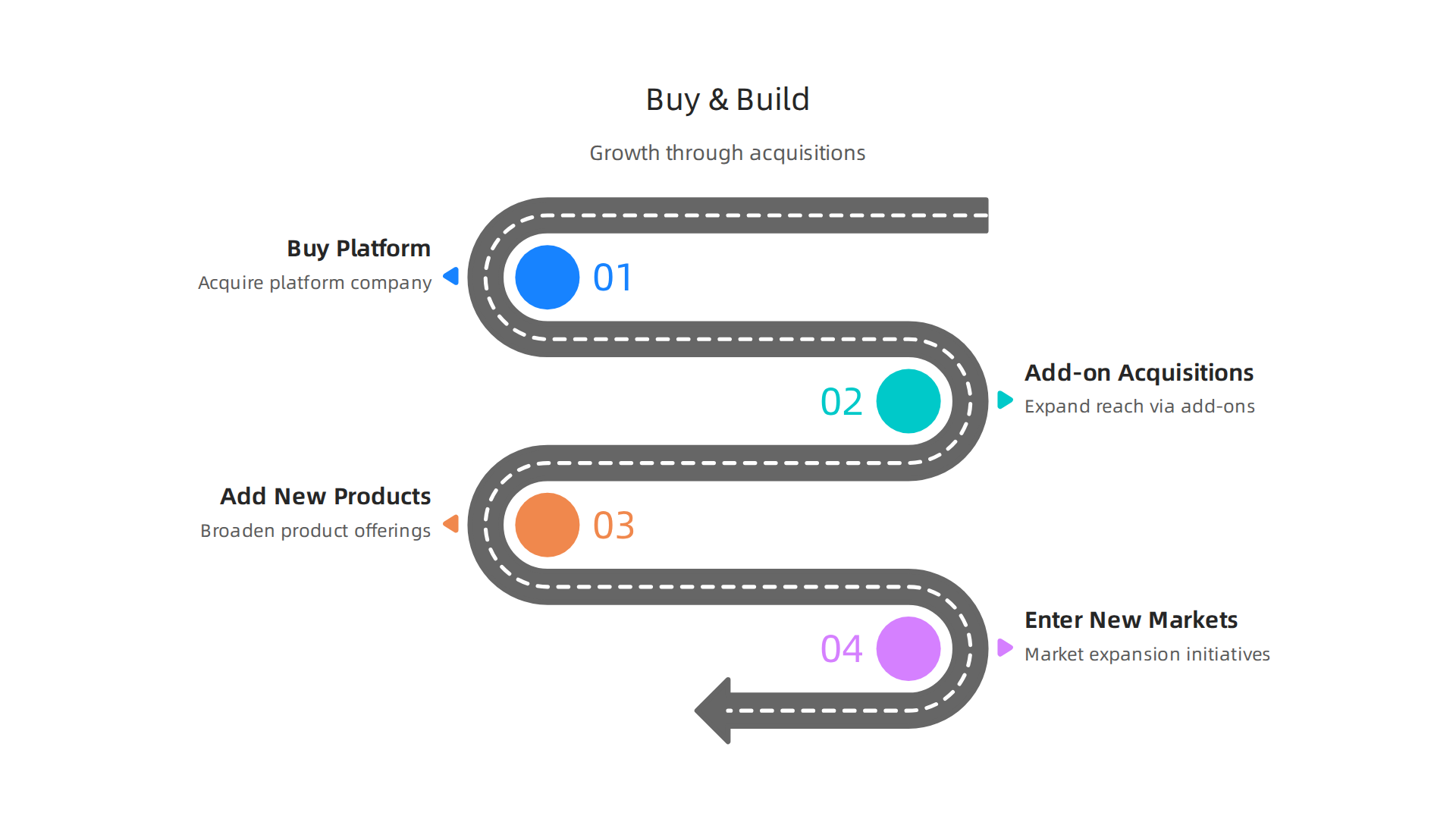
Audax did not invent the buy-and-build approach. But it has refined it into a repeatable system. The idea is simple. Buy a strong platform company. Then use add-on acquisitions to expand its reach, add new products, and enter new markets. Since 1999, the firm has completed more than 1,400 add-on deals.
Today, Audax runs two main private equity strategies. The Flagship strategy targets larger middle market companies. The Origins strategy focuses on smaller lower middle market platforms. Both use the same disciplined playbook.
The firm also has a global footprint. It keeps headquarters in Boston with offices in San Francisco, New York, London, and Hong Kong.

That reach helps the team find deal opportunities across North America and beyond.
A Track Record That Speaks
The numbers back up the approach. By May 2026, Audax had completed its 1,500th add-on acquisition. The firm has also earned recognition from outside evaluators. It ranked in the top 2% of global private equity firms in the latest HEC Paris-Dow Jones listing.
For founders thinking about which capital partner to choose, understanding a firm’s history helps you predict how they will behave. A firm that has been executing the same strategy for over 25 years is likely to keep doing what works.
If you want to compare Audax to other types of investors, our guide on venture capital firms for small businesses breaks down the differences between PE and VC approaches.
Investment Strategy and Sector Focus
Audax Private Equity built its entire reputation around one approach: buy and build. The firm does not just buy companies and leave them alone. It buys a strong platform company and then grows it quickly through strategic add-on acquisitions. That is how Audax has completed over 1,500 add-on deals since 1999.
The full playbook is laid out on their Private Equity Approach page.

The goal is to triple or even quadruple the size of each platform company during the investment period. That takes more than just money. It takes a disciplined system for finding, buying, and integrating smaller companies that fit the platform.
Core Sectors Audax Targets
Audax focuses on industries where the buy-and-build model works best. Those sectors include:
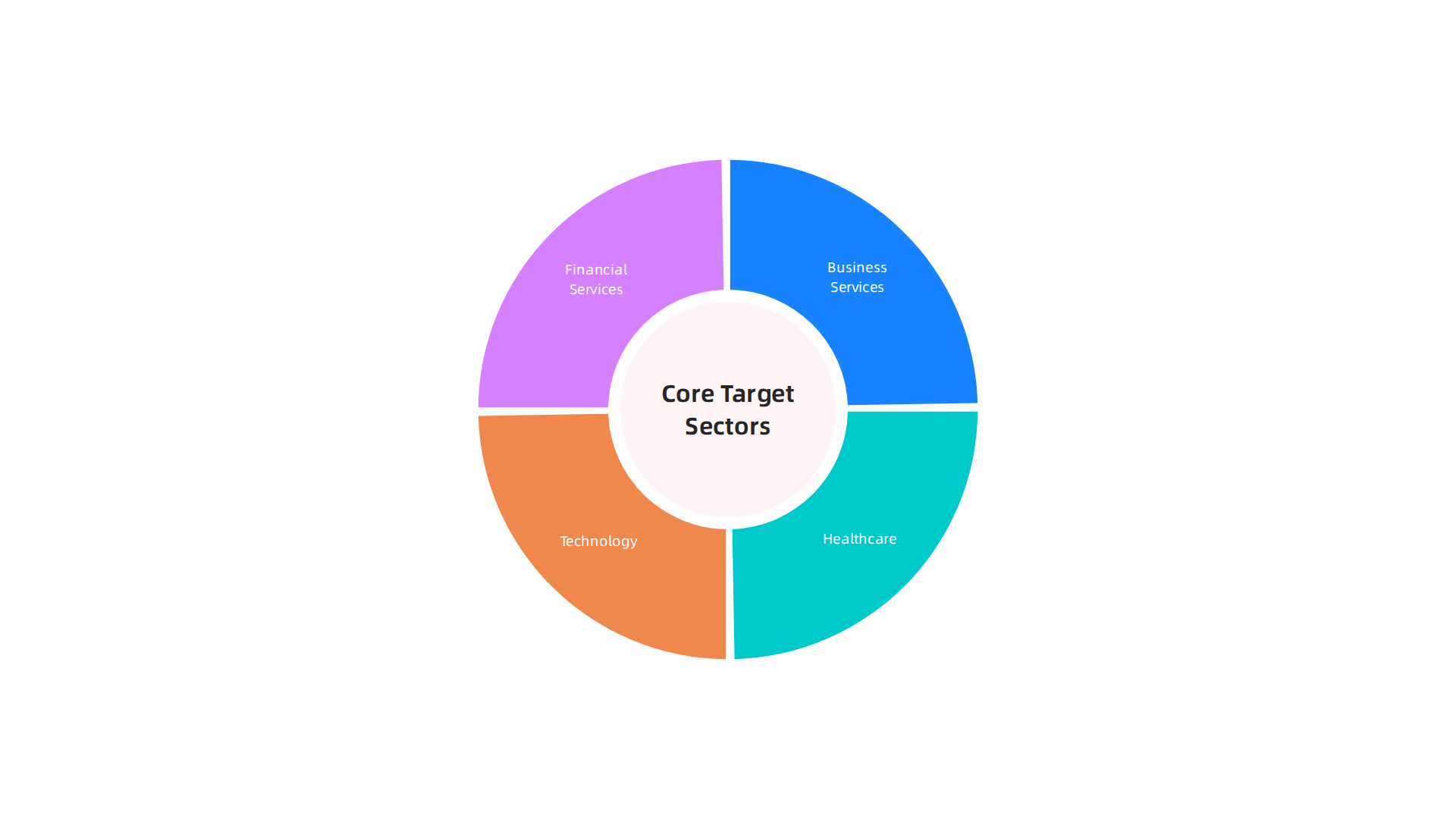
- Business Services – Companies that provide essential services to other businesses.
- Healthcare – Medical services, devices, and technology.
- Technology – Software, IT services, and tech-enabled businesses.
- Financial Services – Lending, payments, insurance, and related services.
The firm also invests in consumer and industrial services when the right opportunities arise. But these four sectors make up the bulk of the portfolio. Unlike some firms that focus on a single industry, like Mangrove Equity Partners in healthcare or JMI Equity Partners in software, Audax spreads across multiple verticals while still applying the same repeatable playbook.
Deal Size and Target Profile
The typical deal size for Audax falls between $50 million and $500 million in enterprise value. Within that range, the Flagship strategy looks for companies with EBITDA between $20 million and $80 million. The Origins strategy targets smaller platforms with EBITDA starting around $5 million. Both strategies aim for control ownership, meaning Audax takes a majority stake and directs the growth plan.
The firm focuses on companies that have a solid foundation but need capital and operational support to scale. Founders who partner with Audax usually stay on as management and benefit from the resources of a large PE platform. If you are a founder considering outside capital, you can read our step-by-step guide to finding investors for a broader view of the fundraising landscape.
The middle market has proven to be a strong place for growth.

According to a Partners Capital report on middle market growth, lower middle market and middle market deals have both delivered about 11% EBITDA growth per year over the past decade, beating large cap deals that grew at 8%. That long-term performance is why Audax has stayed committed to the middle market for over 25 years.
So where does all that disciplined execution actually show up? The portfolio itself. As of early 2026, Audax holds over 80 active companies across its Flagship and Origins strategies. You can explore the full set of current investments on their Audax Private Equity portfolio of companies page. These businesses sit mainly in business services, healthcare, software and technology, and financial services. A few also fall into consumer and industrial categories.
But the real proof of the model comes from exits. When Audax sells a company, it usually means the buy-and-build plan worked. The firm has generated strong returns by taking a platform, adding smart acquisitions, and then selling the much larger business to another sponsor or strategic buyer.
Notable Exits That Show the Playbook in Action
A few recent exits stand out.
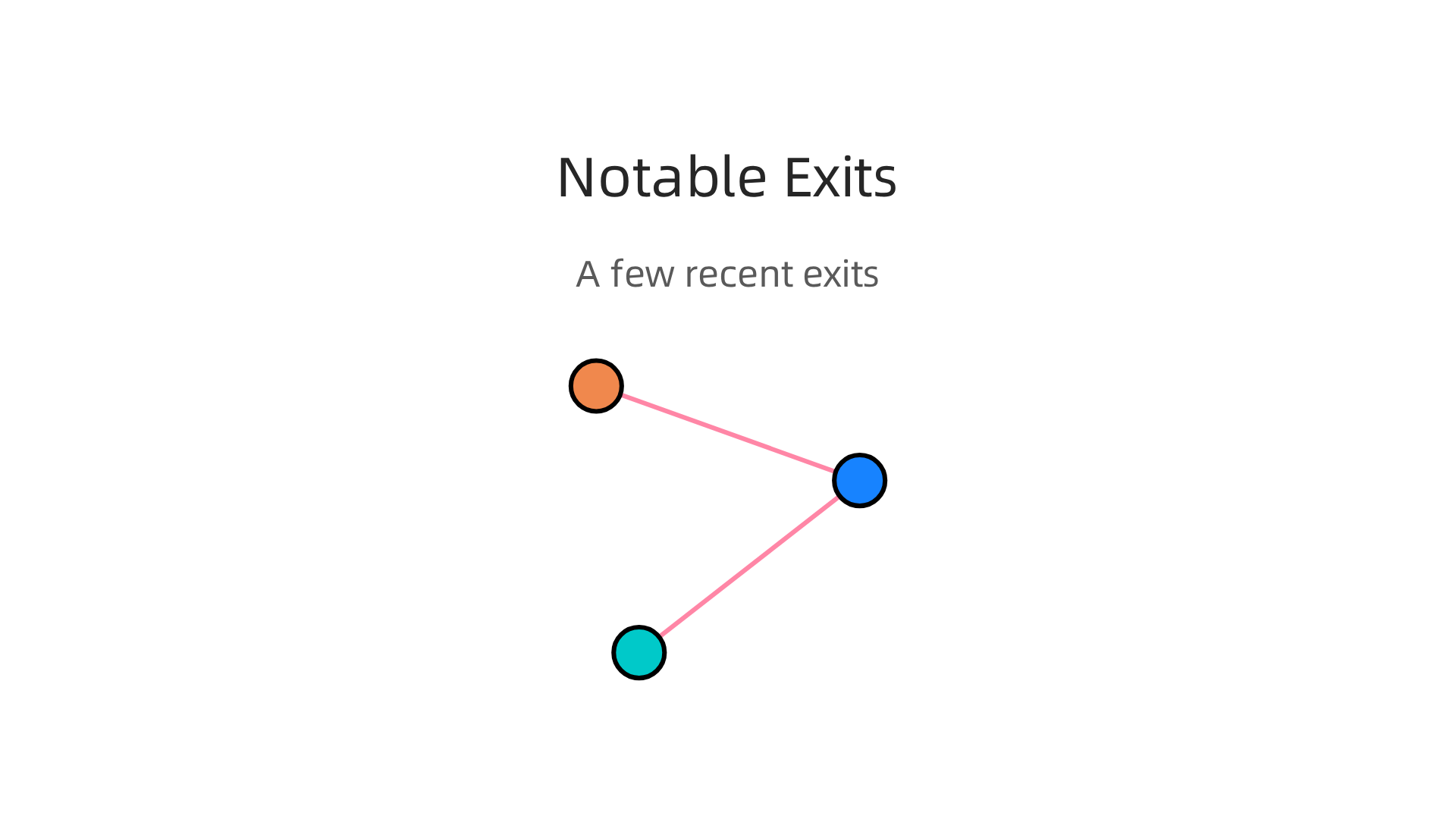
One of the biggest was Lytx, a video telematics company for commercial fleets. Audax invested in Lytx and grew it through multiple add-ons. In 2024, they sold Lytx to GTCR, another large private equity firm. That exit confirmed the value of building scale in technology-enabled services.
Another strong example is PSSI (Professional Sports Services Inc.), a provider of food safety and sanitation services to the food processing industry. Audax used its usual method to expand PSSI through add-on deals. The company was eventually sold to CD&R, a top-tier private equity firm. That deal showed how even a lower-profile industrial service can become a major exit when you grow it the right way.
Then there is RSC Brands, a platform in the consumer space that sells apparel and accessories. Audax built it up through acquisitions and later sold it to Accel-KKR. This deal proved that the buy-and-build model works across different types of businesses, not just tech or healthcare.
The overall exit record has been strong. As of mid-2026, Audax had secured eight realizations across its Flagship and Origins strategies in just the previous 12 months. You can see the Audax exit track record in 2026 confirmed on their LinkedIn updates. That kind of pace does not happen by accident. It comes from a repeatable system that buy-and-build firms like Audax have mastered over decades.
If you want to understand how technology-driven growth fuels exits like these, check out our real world look at disruptive innovation in 2026. It explains how companies scale through smart strategic moves.
Performance Track Record and Fundraising
All those exits and portfolio companies rest on a strong foundation of fundraising success and consistent returns. Audax has raised seven flagship buyout funds over its history. The most recent, Fund VII, hit its hard cap at $5.25 billion in 2023. That was well above the original target. The firm also closed its first Origins fund at $774 million, focused on lower middle market deals. Combined with an additional $1.8 billion in co-investment capital from the Audax team, the firm had $7.8 billion ready to deploy. You can read the full details in the Audax Private Equity Raises $7.8 Billion for Flagship Fund and Origins Fund I announcement.
But raising capital is only half the story. The real test is what happens after the money goes to work. Audax’s net IRRs across its fund vintages have consistently landed above the upper quartile benchmarks for lower middle market funds. According to public pension documents, Audax Private Equity Fund IV, a 2013 vintage, had generated a net IRR of 17.44% as of mid-2018. That type of performance puts it well ahead of the average lower middle market fund. You can verify these numbers in the Private Equity Performance Review Second Quarter 2018 from the New Mexico Educational Retirement Board.
The firm’s approach to co-investment also deserves attention. Audax routinely commits its own capital alongside limited partners. As of 2023, the firm had invested over $4.1 billion of its own money into deals since inception. That kind of alignment tells LPs that Audax eats its own cooking.
Beyond equity, the firm runs separate credit vehicles. Audax Private Debt has raised over $35 billion in capital and deployed $45 billion across more than 1,200 middle market companies, as reported in a recent SEC filing for Audax Private Debt. These credit funds complement the equity side and give the firm a full picture of the middle market.
If you are curious about how other top firms raise capital and build their own track records, take a look at our piece on the biggest investment companies of 2026 and their impact on startups and investors. It breaks down the strategies that separate the best from the rest.
Team and Leadership
A firm is only as strong as the people guiding its decisions. And Audax Private Equity has built one of the more experienced teams in the middle market. The investment team includes well over 40 professionals with backgrounds in both operations and finance. Across the whole organization, the firm employs more than 270 people. Over 100 of them are investment professionals focused on sourcing, executing, and managing portfolio company relationships. You can get a full view of the team structure on the Audax Private Equity LinkedIn page.

Co-founder Geoffrey Rehnert remains actively involved. He started Audax Group in 1999 along with a small group of founding partners.

Since then, the leadership team has grown significantly. A strong bench of partners now leads deal execution across the Flagship, Origins, and Strategic Capital strategies. That depth means every investment gets attention from senior leaders who have lived through multiple market cycles.
The firm also puts a high value on continuity. Partner turnover stays low compared to many peers. That consistency matters. When the same team members guide a deal from acquisition through exit, portfolio companies receive steady support. Limited partners also sleep better knowing the people who raised the fund will still be around to manage it.
In a competitive landscape that includes firms such as Mangrove Equity Partners, JMI Equity Partners, Valor Equity Partners, and Thrive Capital, team depth becomes a clear differentiator. Audax has completed more than 1,400 add-on acquisitions since its founding. That track record would not be possible without a team that stays together and executes well over the long term.
For a closer look at how strong teams drive market leadership, read our piece on disruptive innovation in 2026 and the key drivers shaping the market. Great teams create great outcomes.
Competitive Positioning: How Audax Stacks Up Against Peers
The lower middle market is crowded, but not every firm plays the same game. Audax Private Equity competes for deals alongside established names like GTCR, TA Associates, and Madison Dearborn. It also faces rising challengers such as Mangrove Equity Partners, JMI Equity Partners, Valor Equity Partners, and Thrive Capital. What sets Audax apart in this competitive field? The firm has built a repeatable model that other firms struggle to copy.
A key differentiator is the dedicated operating partner group. While many PE firms hire outside consultants after closing a deal, Audax embeds operational experts directly into portfolio companies from day one. These partners help management teams improve margins, streamline supply chains, and adopt new technology. That hands-on approach drives faster value creation and stronger exit outcomes.
The second edge is the rigorous add-on acquisition pipeline. Audax has completed over 1,400 add-ons since its founding. That experience gives the firm a sourcing network and a playbook that newer entrants cannot match. The lower middle market may be private equity’s best opportunity in 2026, and Audax is positioned to capture it with a disciplined, repeatable process.
Sector focus also matters. Audax concentrates on business services and healthcare, two verticals tied to secular growth trends like an aging population and the shift toward outsourced services. These sectors generate steady cash flows and resist economic downturns better than cyclical industries. That alignment gives Audax an edge when valuations tighten and lenders get picky.
In a market where capital is concentrated on fewer, higher-conviction bets, firms that can demonstrate operational skill and a clear investment thesis stand out. For a broader look at how the largest capital allocators are shaping the startup and growth landscape, read our analysis of the biggest investment companies of 2026. Understanding the full playing field helps you spot where the best opportunities really are.
Staying informed about the trends driving value creation is just as important. Artificial intelligence is now central to how PE firms improve portfolio company performance. To keep up with the latest AI developments that affect dealmaking and operations, get clear daily AI updates from The AI Newsletter Worth Reading. It cuts through the noise so you can focus on what matters.
The Future of Lower Middle Market Private Equity
Beyond the competitive dynamics of today, several powerful forces are reshaping the lower middle market. Demographic shifts, artificial intelligence, and regulatory changes are creating both challenges and opportunities. Audax Private Equity is already aligning itself with these trends to stay ahead.
The aging population continues to drive demand in healthcare and business services, two sectors where Audax focuses. At the same time, many industries remain highly fragmented, which favors Audax’s proven add-on strategy. The firm’s operating partner group can roll up smaller companies and improve efficiency across a larger platform.
AI adoption is transforming how private equity firms create value. According to the Private Equity 2026 Outlook from Morgan Stanley, tech-enabled middle-market businesses are becoming more attractive targets, and firms that deploy AI resources effectively will pull ahead. Audax’s operating partners help portfolio companies adopt AI tools to streamline operations, cut costs, and improve decision-making.
Regulatory changes and environmental, social, and governance (ESG) considerations are also playing a bigger role. Investors increasingly expect firms to evaluate sustainability risks and opportunities during due diligence. Audax’s disciplined approach to risk assessment and operational improvement means it can integrate ESG factors naturally into its value creation plans.
For founders and investors looking to understand how AI is reshaping the startup landscape, our guide to disruptive innovation in 2026 breaks down the key drivers. The firms that adapt to these changes will define the next generation of private equity.
Summary
Audax Private Equity is a lower‑middle‑market buy‑and‑build specialist with roughly $19.5 billion in PE AUM (and broader group assets above $30 billion) that focuses on business services, healthcare, technology and financial services. The article explains Audax’s repeatable playbook—buy a platform, scale it with targeted add‑on acquisitions and embedded operating partners—and illustrates how that approach produced more than 1,500 add‑ons, strong exits, and above‑benchmark fund performance. It covers the firm’s history, leadership, fund sizes (including a $5.25B Flagship fund and a $774M Origins fund), typical deal and EBITDA targets, team structure, and why founders often remain in management. The piece also compares Audax to peers, highlights notable exits like Lytx and PSSI, and outlines how AI, demographics, and ESG are shaping the lower‑middle‑market opportunity going forward. After reading, founders and LPs will understand Audax’s thesis, what to expect from a partnership, and the trends likely to affect value creation in coming years.