
Human-Centered AI Driving Ethical Innovation for Founders and Investors

Why ‘All Tech Is Human’ Matters Now
In 2026, it’s more important than ever to understand a simple truth: all tech is human. This means that technology, especially smart new systems like Artificial Intelligence (AI), doesn’t just appear out of nowhere. It is shaped by our choices, our needs, and what we care about.

Think of it this way: people create the tools, decide how they work, and choose how they will be used in our daily lives. So, the story of technology is really the story of us.
When we talk about computing innovation, it’s easy to focus only on the machines themselves. But the real magic, and sometimes the real challenge, comes from how these machines fit into our world and affect people. Experts agree that innovation comes from how technical tools, social groups, and even the environment work together, with human thought guiding it all Multi-Level Sociotechnical Systems Approach to Human…. AI is a great example. It’s not just code; it’s a way that humans are changing how we live and work.
This idea that "all tech is human" is vital for founders, investors, and corporate leaders right now. If you’re building a new startup, putting money into a new idea, or leading a big company, you need to look at AI through a human-centered lens. This means thinking about how your AI will help people, how it might harm them, and how to make sure it’s fair and safe. By doing this, you can find exciting new chances and avoid big problems. This kind of thoughtful approach can lead to what we call "ultra clean technology," which benefits everyone without causing unexpected issues. To truly succeed with AI, you need a smart plan.
Understanding the deep connection between humans and technology helps you make better choices, whether you are a founder looking for funding or an investor picking the next big thing. For those keen to master the strategies for integrating AI into their ventures, learning how to use AI for startup success is a crucial next step.
To keep up with the fast-changing world of AI and make smart decisions, reliable information is key. Get clear daily AI updates that cut through the noise.
The AI Newsletter Worth Reading
Framing AI Through a Human Lens: Definitions and Key Concepts
The idea that all tech is human helps us see Artificial Intelligence (AI) in a special way. It makes us think deeply about what "human-centered AI" truly means. This is more than just a smart phrase; it is about building AI that genuinely helps people, respects their rights, and makes daily life better for everyone.
Human-centered AI means creating systems where people come first. It makes sure that AI is fair, easy to understand, and works well within its environment. This approach helps us avoid problems where AI might accidentally cause harm or make things worse. In 2026, for founders, investors, and company leaders, using clear words like "human-centered AI" is really important. It helps everyone understand what your AI aims to do. This clear understanding can make it easier to get funding or decide if a new product is a good idea. Research shows that human-centered AI helps advance ethical and open systems for a better future Human-centered AI: advancing ethical, transparent … – EconPapers.
Let’s look at some key ideas that make up human-centered AI.
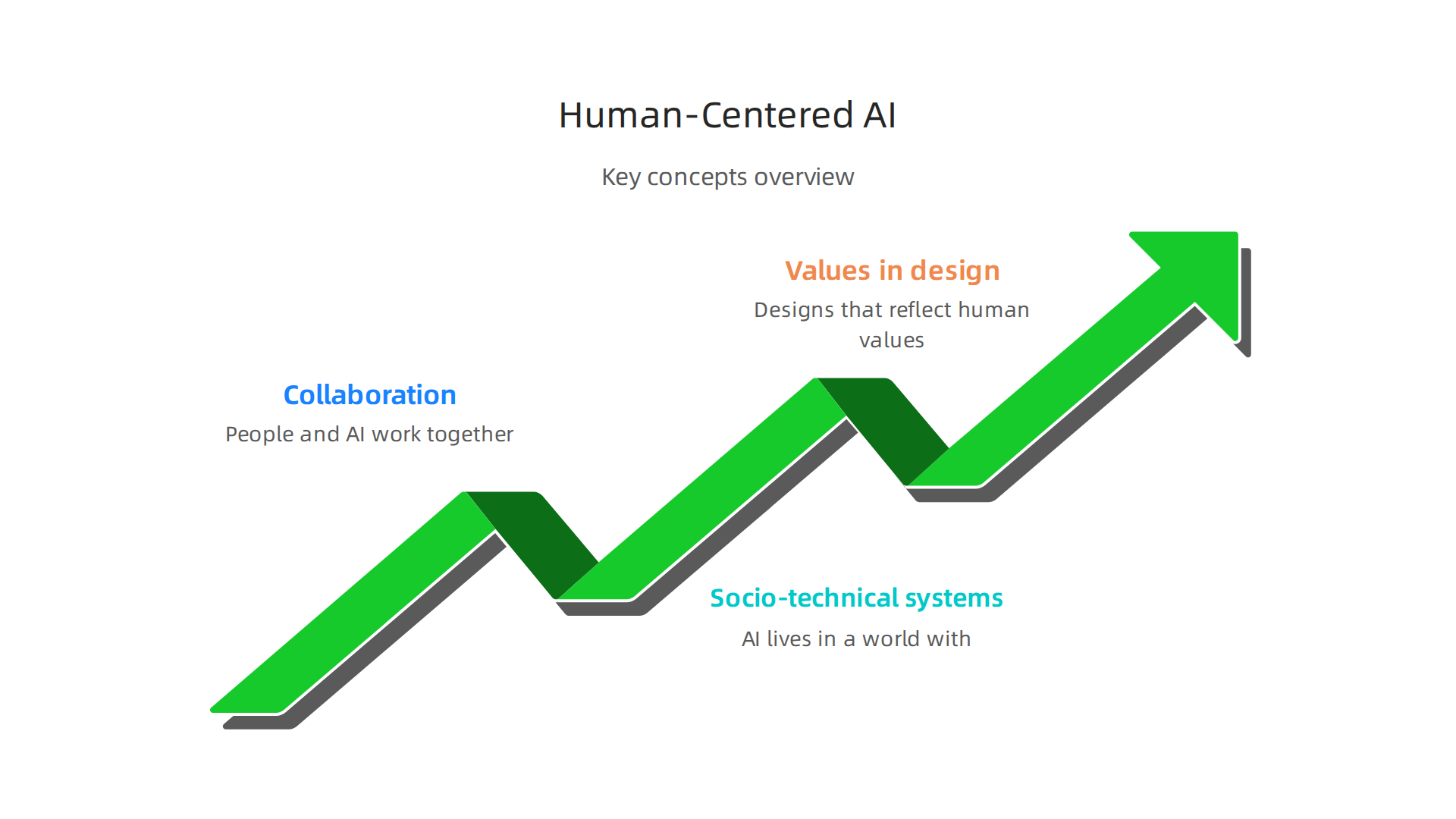
First, there’s human-AI collaboration. This is about how people and AI work together, not one replacing the other. Think of AI as a smart assistant that helps you do your job better, instead of taking it over. This teamwork approach leads to more effective and helpful computing innovation.
Next, we have socio-technical systems. This simply means that AI does not exist alone. It lives in a world with people, social rules, and the natural environment. All these parts work together. So, when you design AI, you must think about how it fits into this whole system, not just the technology itself. Ignoring this can lead to unexpected issues. For example, AI can help with big goals like ending poverty and improving health. But it only truly helps when we consider it through this wider view Beyond the hype: A sociotechnical perspective on AI’s ….
Finally, human values in design means making sure our AI reflects what we care about most. This includes things like fairness, keeping personal information private, and making sure everyone can use the technology. When we build AI with good values, we move towards creating ultra clean technology that truly serves society. This is often called "AI for good," and it is a great way to attract thoughtful investors. You can learn more about how ethical AI draws funding by exploring AI for Good Attract Startup Investors with Ethical AI. The Consumer Technology Association (CTA) also talks a lot about how important it is to keep people and their values at the heart of technology development. This more human-focused approach to AI is how we make sure our smart tools improve our lives in safe and fair ways.
How AI Reshapes Work: Tasks, Jobs, and New Roles
The idea of human-AI collaboration we just talked about changes how we think about jobs. Instead of AI simply taking over human work, it is often more about changing the tasks within those jobs. This is a very important difference for founders, investors, and business leaders to understand in 2026.
Think about it this way: AI usually automates specific tasks, which are small parts of a job, rather than getting rid of the entire job. For example, AI might help write a first draft of an email or sort through many customer service requests. This means that a person’s job still exists, but some of the daily activities change. Experts say that AI will actually reshape many more jobs than it completely replaces AI Will Reshape More Jobs Than It Replaces. In fact, current reports show that while about 22% of tasks are handled by technology, a growing 30% are now hybrid, meaning both humans and AI work on them together AI Automation Analysis 2026: Every Role, Every Department. This trend points to a future where "all tech is human" in its purpose, even when AI does the heavy lifting.
This leads us to emerging hybrid roles. These are new kinds of jobs where people and AI tools work side-by-side.

Imagine a graphic designer using AI to quickly create many logo ideas, then choosing the best ones and adding their own creative touch. Or a data analyst using AI to spot trends in huge datasets, then explaining what those trends mean. AI handles the routine or complex calculations, and the human brings critical thinking, creativity, and empathy. This kind of teamwork boosts computing innovation. It also means that when you are hiring or planning new products, you need to think about how people and AI will work together in these new roles. This creates exciting chances for businesses to build an "ultra clean technology" workforce that is more productive and skilled. For more insights on blending human talent with AI, explore this Global Work AI Playbook for Founders and Investors.
To keep up with how AI is changing our world, especially in business, it helps to get regular, clear updates.
The Deep View Newsletter provides daily insights focused on artificial intelligence and broader technology developments. Get clear daily AI updates from The AI Newsletter Worth Reading.
AI and Product Design: Integrating Human-Centered Practices
Continuing our talk about how humans and AI work together, it is super important to think about how we design AI tools. When we create AI products, we must make sure they are made for people first. This is called human-centered design. It helps us ensure that all tech is human in its main purpose and goal.
To make AI products truly helpful, we start by listening to the people who will use them. This means doing user research to find out what real needs and problems they have. By understanding these things, we can build AI that truly helps solve those problems.
After people start using an AI product, we need to keep getting their thoughts. Are they happy with it? Is it easy to use? This constant flow of feedback helps us make the AI better and better over time. This way, humans and AI improve together, leading to great computing innovation.
Sometimes, an AI might make a suggestion or a decision that users do not fully understand. For people to trust AI, it needs to be able to explain why it made that choice. This idea of "explainability" is very important. It helps build user trust, which is a key measure of success. In fact, frameworks like the AI Risk Management Framework – NIST aim to make AI products more trustworthy.
For founders, just seeing a lot of people use an AI product is not enough. You also need to keep an eye on other important things. Do users really trust the AI? Do they understand how it works? And what happens when the AI makes a mistake? These "error modes" are crucial to track. Companies should measure these things, not just simple usage numbers, to truly Close the AI Trust Gap. Building AI systems that everyone can trust and understand is part of Democratizing AI Building Trustworthy Systems for Everyone. This focus on trust and understanding helps create an ultra clean technology product that truly fits what the market needs. It also helps align with ethical principles, which is important for attracting investors who focus on AI for Good Attract Startup Investors with Ethical AI. Organizations like the Consumer Technology Association are also keen on these emerging standards.
Mini-case: Designing for Explainability and Trust
Imagine a company that makes an AI tool to help writers check their work. At first, the tool just says "Rewrite this sentence." But the writers don’t know why the AI wants them to rewrite it. They think, "Is this helpful, or just a random suggestion?" This shows that even with great computing innovation, if users don’t understand, they won’t fully use it.
So, the company changed the AI. Now, when it suggests a rewrite, it also explains: "Rewrite this sentence because it’s too long and uses too many complex words." With this clear reason, writers start to trust the AI more. They see that all tech is human in its best form when it helps people understand. This change makes the product more user-friendly and helps build trust.
For founders, it is key to measure these things when making AI products. How much do users trust the AI? Trust means users believe the system and its output are correct On the Design and Evaluation of Human-centered …. You can ask them directly. A study from 2026 showed that most online shoppers check AI’s advice before buying, meaning trust isn’t automatic The 2026 Trust in AI Commerce Report – Product.ai. You can also watch how often users follow the AI’s suggestions. This shows their "reliance." When the AI makes a mistake, do users catch it? Measuring this "Error Detection Rate" is important to see if trust is well-placed Calibrating Trust in Generative Artificial Intelligence: A …. Checking how well users understand the AI’s explanations is also vital. By focusing on these clear signals, companies can make sure their AI products truly serve people. It also shows them how to evaluate AI platforms for your startup in 2026 more effectively.
Ethics, Governance, and Policy: What Founders and Investors Should Watch
After making sure people trust and understand AI tools, the next big step for founders and investors is to think about the rules. This means looking at ethics, how companies manage AI, and government laws. It helps make sure that all new computing innovation is fair and safe for everyone. After all, all tech is human at its core, meaning it should serve people well.
In 2026, governments around the world are paying more attention to AI. Many countries are creating new laws and guidelines to manage how AI is built and used. This is why the market for AI governance, which helps companies follow these rules, is growing very fast. Experts say this market will jump from $0.42 billion in 2025 to $0.61 billion in 2026, showing how important it is becoming AI Governance Market Report 2026 – Research and Markets. Many companies are now talking about the risks of AI. For example, a report showed that cybersecurity problems are the top worry for most business leaders when it comes to AI Report: In the S&P 500, Disclosure of AI Risks Surges from …. This trend means that founders need to build AI tools with strong safety and ethical checks from the very start. Thinking about tech for social good is no longer optional.
Companies also need their own ways to manage AI safely. This is called corporate governance. It means setting up clear rules inside the company for how AI is used. Here are some key parts:
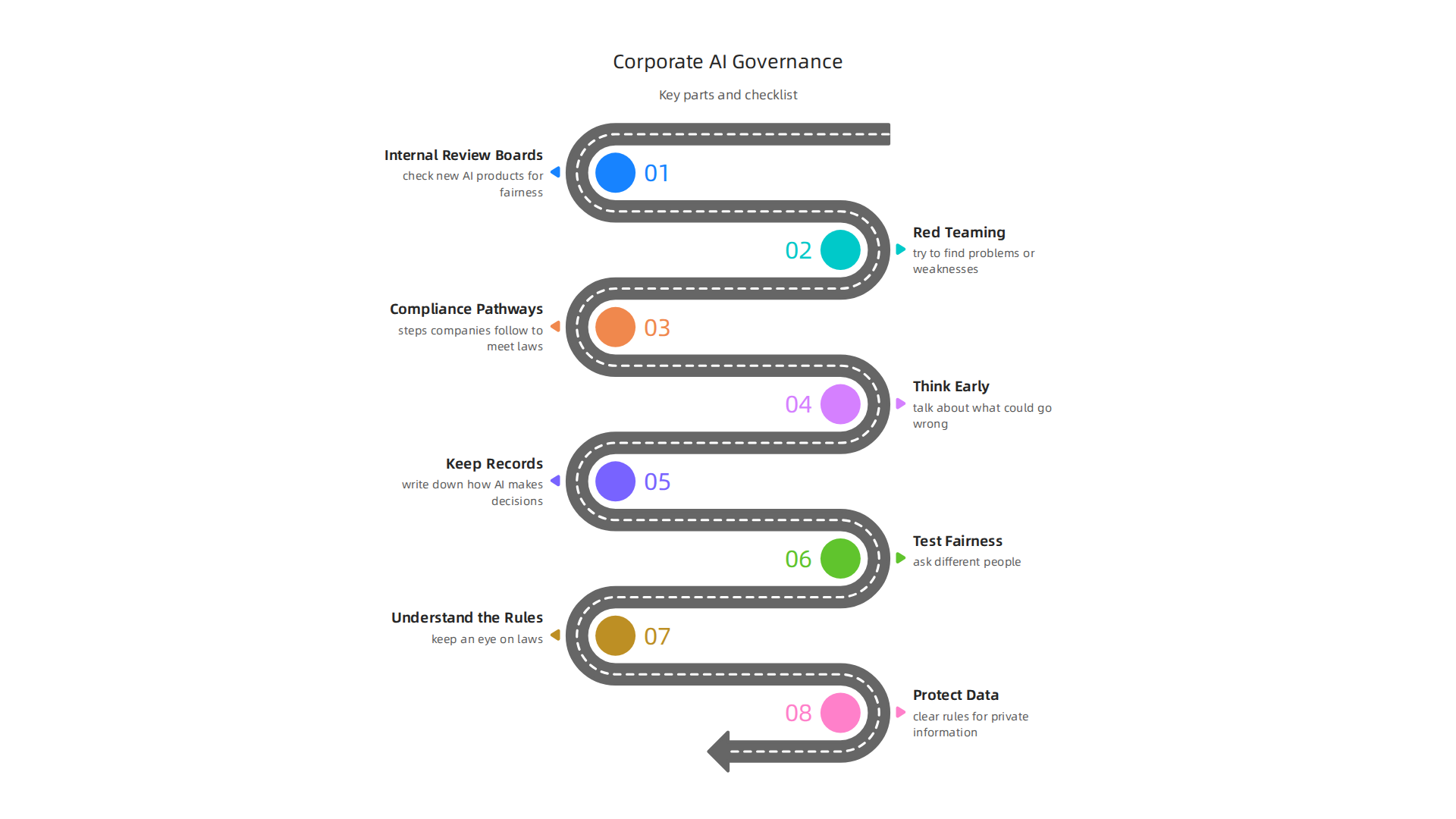
- Internal Review Boards: These are groups of people within a company who check new AI products for fairness and safety before they go out. They make sure the AI does not cause harm or treat anyone unfairly.
- Red-Teaming: This is like playing "devil’s advocate." Experts try to find problems or weaknesses in an AI system on purpose. This helps find and fix issues before the product reaches real users.
- Compliance Pathways: These are clear steps companies follow to make sure their AI tools meet all the new laws and rules. This includes making sure data is handled correctly and that the AI’s choices can be explained. Boards of directors are now setting out what risks they are okay with and making sure third-party AI tools meet the same high standards AI Risk for Boards: What Directors Must Know in 2026 – Nasdaq.
By putting these practices in place, companies can make sure their AI products are not only smart and useful but also responsible and ethical. This helps reduce big risks and shows that they care about how their computing innovation impacts the world. Understanding why is AI bad is key to building good AI.
Want to stay on top of daily AI trends? Get clear updates sent right to your inbox.
The AI Newsletter Worth Reading
Checklist: Governance Steps for Early-Stage Startups
It might seem like only big companies can have fancy ways to manage their AI, but that’s not true. Even small, early-stage startups can take simple steps to make sure their computing innovation is safe and fair. Doing this shows everyone that your all tech is human approach means you care about the people who use your products. It also helps you get ready for investors.
Here’s a quick checklist for founders:
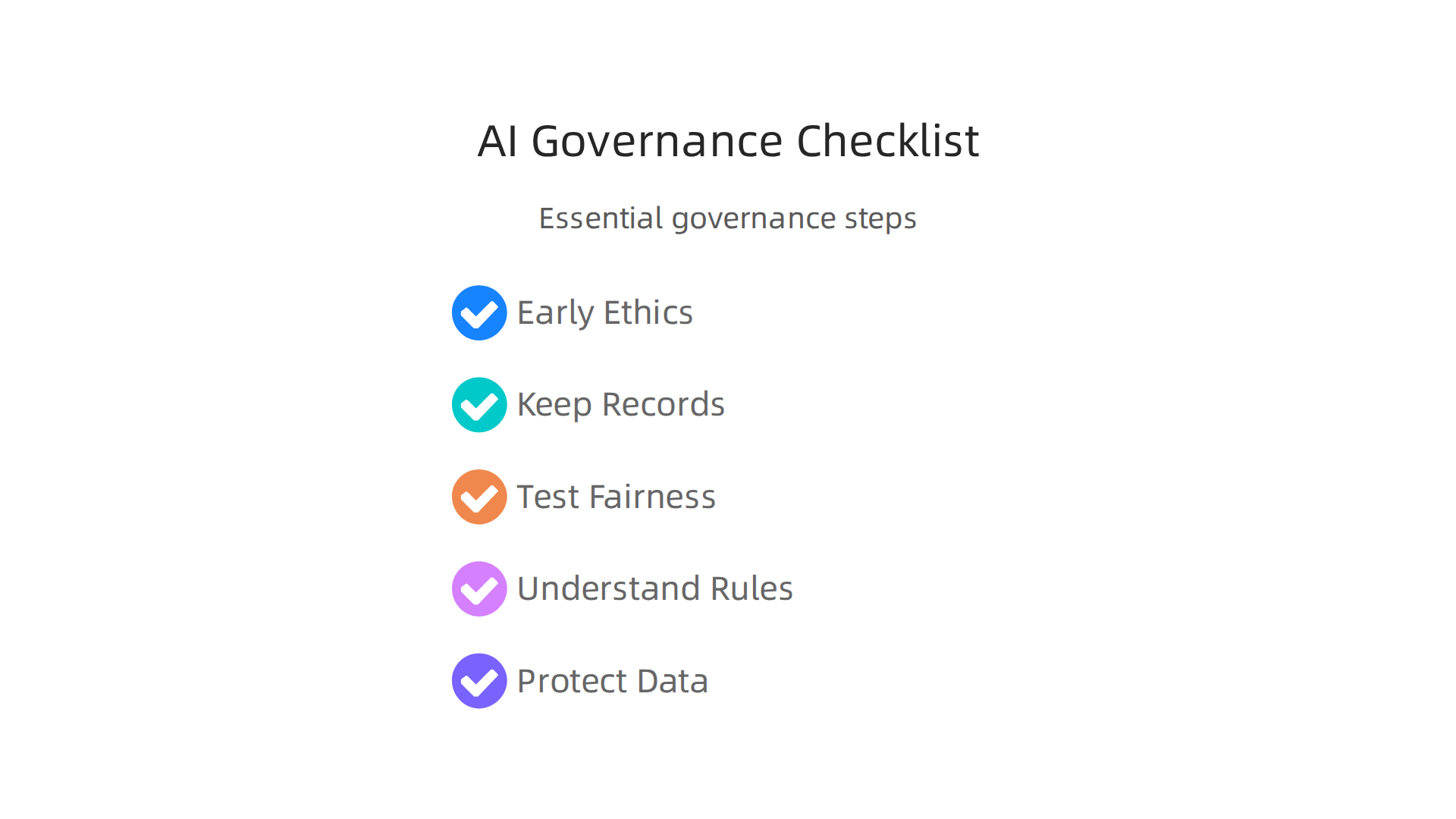
- Think Early About Ethics: Before you even write a lot of code, talk about what could go wrong. How might your AI be unfair? Who might it leave out? Write down simple rules for how your team will handle these things.
- Keep Good Records: Write down how your AI makes decisions and what data it uses. This helps you explain things later if someone asks questions. Investors will want to see that you’re tracking your AI’s journey.
- Test for Fairness: You don’t need a huge team. Just ask different people to try your AI. Do they all get the same good results? Or does it work better for some and not others? This helps you find problems early. Getting an early start on these steps can make it easier to attract investors with ethical AI solutions.
- Understand the Rules: Keep an eye on new laws about AI. The world of AI rules is growing fast. What applies to your product? Knowing this from the start will save you trouble later.
- Protect Data Well: AI uses a lot of data. Make sure you have clear rules for how you keep people’s information private and safe. This is very important.
When it comes to getting money from investors, they are looking more and more at how startups handle AI risks. They want to see that you have thought about these things. Investors expect to see that you have a plan for how your AI will be used responsibly. They might ask about your internal checks, how you test for problems, and your steps to follow the law How AI will redefine compliance, risk and governance in 2026. They want to know you are not ignoring the dangers. Some experts even say that investors expect to see "documented AI inventories" and plans for checking on third-party AI tools you use Governing the Ungovernable: Corporate Boards Face AI …. Showing that you take these steps seriously can make your startup much more attractive to them. It shows that you are building tech for social good and planning for the long haul. If you’re looking to secure capital, understanding what investors expect is crucial for founders. You can learn more about how to attract funding for your venture in 2026 by checking out this guide on how to find investors for a startup.
Investment Landscape: Funding Trends for Human-Centric AI
After putting those good governance steps in place, your startup becomes much more appealing to investors. They want to see that you’re thinking about how your computing innovation impacts people. Actually, in 2026, the money flowing into AI companies that focus on helping humans is bigger than ever.
Investors are now looking for very specific things. They like AI that is "explainable," meaning you can easily show how it makes decisions, not just that it works. They also love tools that help people work better with AI, not just replace them. This includes new developer tools that make human-AI teamwork easier. Most importantly, investors are hunting for startups focused on positive impact. They want to back companies that truly live by the idea that all tech is human.
We’ve seen some huge funding rounds for this kind of work. For example, a startup called Humans&, which believes AI should empower people, raised a massive $480 million seed round early in 2026. This shows how much investors are betting on companies that put people first Humans&, a ‘human-centric’ AI startup founded by ….
The overall AI funding landscape is booming. In the first three months of 2026 alone, AI startups grabbed about $242 billion in venture capital funding, which was about 80% of all startup investment in the quarter AI Absorbs $242 Billion in Q1 Venture Funding, Exceeding …. This means there’s a lot of money out there, but investors are careful about where it goes.
When investors check out your startup, they don’t just listen to your words. They look for proof. They will ask about your metrics: How do you measure if your AI is fair? How do you know it’s truly helping people? They want to see your product in action and how real users react. They need validation that your claims about ultra clean technology and human focus are true. If you can show them clear ways your product is built with the user in mind and that your consumer technology association principles are strong, you’ll stand out. Learning how to properly evaluate different AI tools and platforms can also impress investors. For a deeper look, check out this guide on AI platforms what founders investors and product leaders must know.
This focus on ethical AI and human benefit is not just a trend; it’s a core expectation. If you’re building a startup, making all tech is human part of your business from the start will make you much more appealing to investors looking for future-proof companies. If you want to dive deeper into how ethical AI can attract investors, you can read more about it in this guide on attract startup investors with ethical AI.
Keeping up with these fast changes in AI and funding is key for any founder or investor.
The AI Newsletter Worth Reading
Get clear daily AI updates from The Deep View Newsletter.
Measuring Social Impact: KPIs, Metrics, and Evidence
To truly show that your startup’s AI is human-centered and has a good social impact, you need more than just words. You need clear ways to measure your progress. This means using Key Performance Indicators (KPIs) and other metrics that prove your computing innovation is making a positive difference. Investors, more than ever, want to see solid evidence.
What kind of evidence, you ask? Think about how your AI affects people. Are you improving well-being? Making work fairer? Increasing trust? These are the kinds of outcomes that matter. For example, your KPIs could track things like:
- User Satisfaction and Trust: How happy are users with your AI? Do they trust its decisions? Measuring trust can go beyond simple surveys; it should also include how often people use AI services and if they give feedback Measuring the Immeasurable: Gauging Trust and Resilience in AI.
- Fairness and Bias Reduction: Is your AI treating everyone equally? Are you actively finding and fixing biases?
- Transparency and Explainability: Can users understand why your AI made a certain decision? Investors look for AI that is "explainable."
- Human-AI Collaboration: How well do humans and AI work together in your system? The goal is for
all tech is human, meaning AI should help people, not just replace them. This includes how much AI helps with tasks while humans handle complex cases AI Does the Heavy Lifting, Humans Handle What Matters. - Positive Societal Outcomes: Are there direct benefits like better health, education, or access to services because of your
ultra clean technology? A good framework should measure these positive results alongside any risks Closing the AI Trust Gap: The Case for Independent Certification for ….
Collecting this data is crucial. You can gather it through user feedback, detailed logs of how people interact with your AI, and even special tests where you compare how things work with and without your AI. For example, understanding how human-AI systems improve workflows requires careful data collection, including looking at task-level details and software logs Human–AI Collaborative Systems for Workflow Optimization: A ….
The challenge is that there isn’t one single way to measure all these things yet. We need better, shared rules for how to measure trustworthiness and the effects on society Democratizing AI Building Trustworthy Systems for Everyone | Digital Watch Observatory. Some organizations are working on frameworks, like the TEVV-Athlon framework, to help evaluate the real-world impact of AI systems The TEVV-Athlon Framework for Evaluating AI Systems.
For founders and investors, knowing how to properly collect and analyze this data is a big deal. It’s about showing your commitment to the consumer technology association principles of responsible innovation. If you want to learn more about how to evaluate these tools, check out our guide on how to evaluate AI platforms for your startup in 2026. This commitment helps you stand out in a busy market.
Practical Playbook: Steps for Founders and Investors
We’ve talked about how important it is to measure the good social impact of AI. Now, let’s look at what founders and investors can actually do. This is a practical guide to make sure that all tech is human and that your computing innovation truly helps people.
For Founders: Building AI the Human-Centered Way
If you’re building an AI product, here’s how you can make sure it’s human-centered from the start:
- Start with People: Always think about the people who will use your AI. What problems do they have? How can your AI truly make their lives better or easier? Design your product to solve real human needs, not just to show off new technology.
- Team Up Wisely: Make sure your team has people from different backgrounds. This helps you see problems and solutions from many angles. A diverse team can spot unfairness or biases that others might miss.
- Check for Fairness: Test your AI often to make sure it treats everyone fairly. Look for biases that could hurt certain groups of people. Fix these problems right away to ensure your
ultra clean technologydoes not cause harm. - Be Clear and Open: Explain how your AI works in simple terms. Users should understand why your AI makes certain choices. This builds trust and shows that you care about their experience. A good example is the startup Humans&, which raised a lot of money because it focuses on building AI that helps people work together better, not just replaces them Humans&, a ‘human-centric’ AI startup founded by ….
- Listen and Learn: Get feedback from your users all the time. Use what you learn to make your AI even better. This ongoing process helps your product stay human-centered as it grows.
For Investors: Finding True Human-Centered Innovation
If you’re an investor, here’s how to check if a startup’s claims about human-centered AI are real:
- Ask for Proof of Impact: Don’t just take their word for it. Look for clear numbers and stories that show how their AI is making a positive difference for people. Do they track user trust or fairness?
- Examine the Team and Culture: A human-centered company often has a diverse team and a culture that values ethics. Ask about their hiring practices and how they make decisions.
- Look for Transparency: Can the startup explain how its AI works in a way that regular people can understand? This is a good sign that they’ve thought about trust and explainability.
- Check for Ethical Guidelines: Does the startup have clear rules for how their AI should be used? Do they follow principles set by groups like the
consumer technology associationfor responsible AI? Groups like Humanity AI are even giving grants to help shape AI for the public good, showing how much this area matters Humanity AI announces more than $18 million in new …. - Understand Their Risks: Every new technology has risks. Ask how the startup is working to prevent harm and fix problems if they come up.
By following these steps, both founders and investors can help build a future where AI truly serves humanity. To dive deeper into making smart AI investments, learn more about how to AI for good attract startup investors with ethical AI.
Want to stay informed about the latest in AI and tech? The AI Newsletter Worth Reading offers clear daily updates.
Summary
This article argues that technology—especially AI—is fundamentally shaped by people and therefore must be designed, governed, and measured with humans at the center. It explains what human-centered AI means, describes how AI changes tasks and creates hybrid roles, and shows how product teams can design for explainability and trust. The piece outlines practical governance steps for startups (internal review boards, red-teaming, compliance), a checklist founders can follow, and what investors look for when assessing human-centric AI. It also reviews funding trends favoring explainable, impact-driven startups and recommends KPIs to prove social value. Readers will leave with concrete steps to build, evaluate, and fund AI that serves people safely and transparently.