
Venture Capital Firms for Small Businesses Find the Right Funding Path in 2026

Introduction
Have you ever looked at the world of startup money and felt completely lost? You are not alone. For most small business owners and early stage founders in 2026, finding the right funding path is confusing.

There are so many choices. Angel investors, crowdfunding, bank loans, and grants all compete for your attention.
One option gets a lot of buzz: venture capital. But here is the truth. Venture capital firms for small businesses can open huge doors. But they are not the right fit for everyone. Many owners hear success stories of billion dollar deals and think venture capital is the only path to growth. In reality, the picture is much more complex.
In 2026, mega deals over $500 million account for nearly half of all venture activity, according to the State of the Markets Report. Seed stage investing has stayed steady though, while growth stage capital is much harder to find. If you are looking for startup funding help, you need to understand the real benchmarks. Right now, typical seed enterprise investment checks land between $500,000 and $3 million. But landing that check takes real traction, a strong team, and a clear plan for massive growth.
So how do you know if venture capital is right for you? And if it is not, what should you do instead? That is exactly what this guide covers. We are going to look at the top venture capital firms for small businesses that are actively writing checks today. We will also cover how to raise capital for startup using other methods that might fit your goals better. Before we dive into the full list of investors, it helps to understand the larger market. You can read our breakdown of the biggest investment companies of 2026 and how they are shaping the market.
For a quick overview of the current climate, the State of Venture Report for 2026 offers data driven insights into where the money is flowing today.
The world of startup funding is always changing. But with the right information, you can navigate it with confidence. Let us start exploring your options so you can find the capital you need to build something great.
Understanding Venture Capital vs. Other Small Business Funding Options
So how do you know which funding path is right for your small business? It really comes down to your growth goals and how much control you want to keep.

Venture capital firms for small businesses give you cash in exchange for ownership. That means you give up a piece of your company. In return, you get money, mentorship, and connections. But VCs expect you to grow fast and big. They want to see a product that can scale to millions of customers. If your business is more of a lifestyle brand or a local shop, venture capital might not be the best fit.
Most small businesses actually do better with other types of funding. Bootstrapping means you use your own revenue to grow. This keeps full control in your hands. Debt financing like small business loans lets you borrow money and pay it back over time. Grants are free money from government or nonprofit programs. None of these require you to give up equity. That is why they are called non-dilutive alternatives.
Here is a simple framework to decide. Ask yourself three questions:
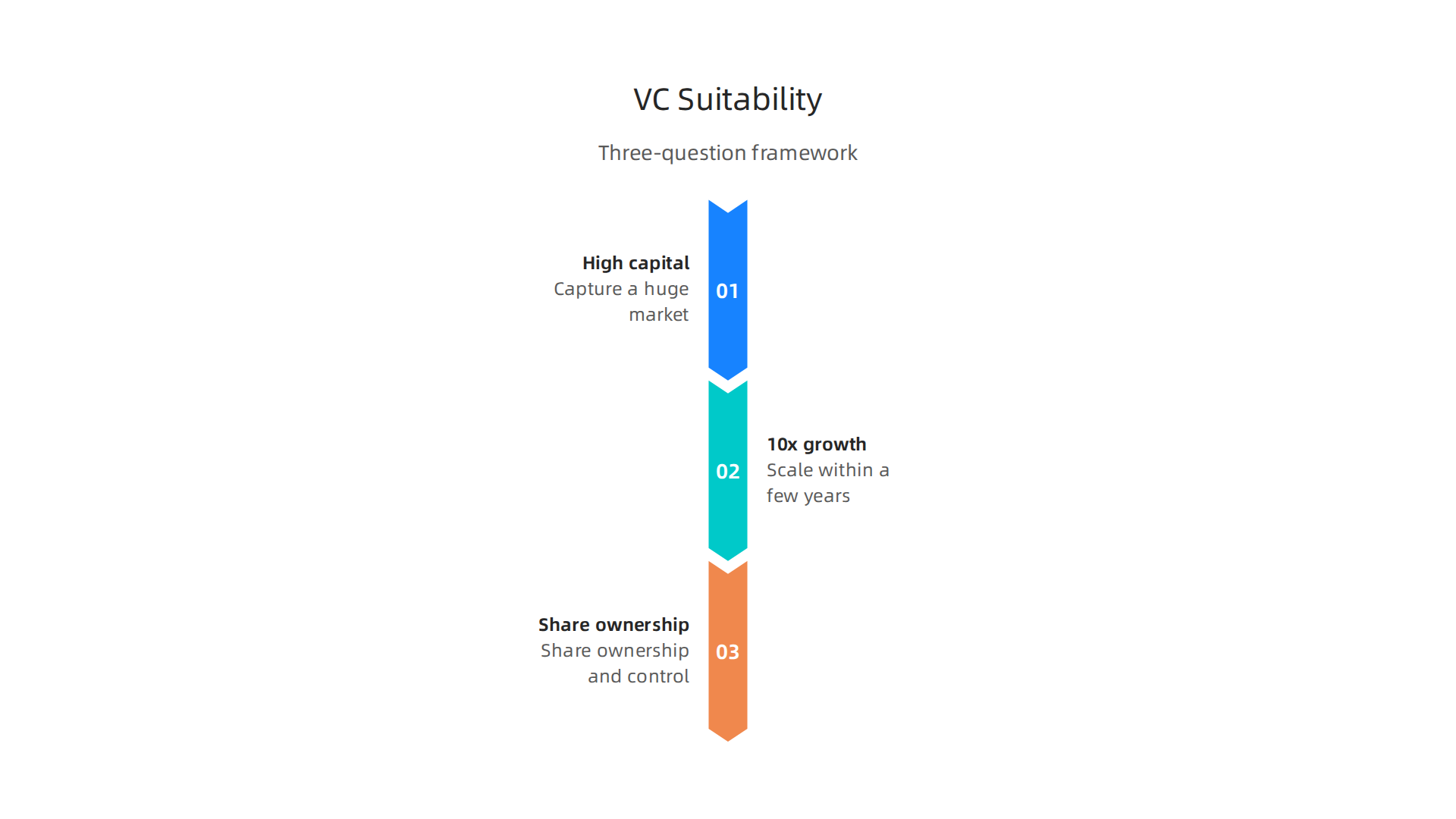
- Do you need a lot of capital quickly to capture a huge market?
- Can your business grow 10x or more within a few years?
- Are you comfortable sharing ownership and decision making?
If you answered yes to all three, venture capital might be a good path. If not, you have other solid choices.
The typical seed enterprise investment in 2026 ranges from $500,000 to $3 million, according to OpenVC. But landing that check requires real traction. The Founder Institute provides benchmarks on what startups need at each stage, from pre-seed to Series A. And the complete guide to funding rounds breaks down average round sizes and valuation targets for 2026.
If you are exploring how technology can help you spot funding opportunities, take a look at our guide on using AI to discover startup project opportunities.
Now that you understand the big picture, let us dive into the top venture capital firms actively funding small businesses in 2026.
Venture Capital Defined
Before we jump into the top firms, let us get crystal clear on what a venture capital firm actually is.
A venture capital firm pools money from limited partners, or LPs. These LPs include pension funds, university endowments, and wealthy families. The firm then invests this capital into high-growth startups in exchange for an ownership stake.
One key detail: VC money usually comes in stages. Companies typically progress from pre-seed funding for concept validation, through seed rounds for product development, to Series A rounds for scaling,
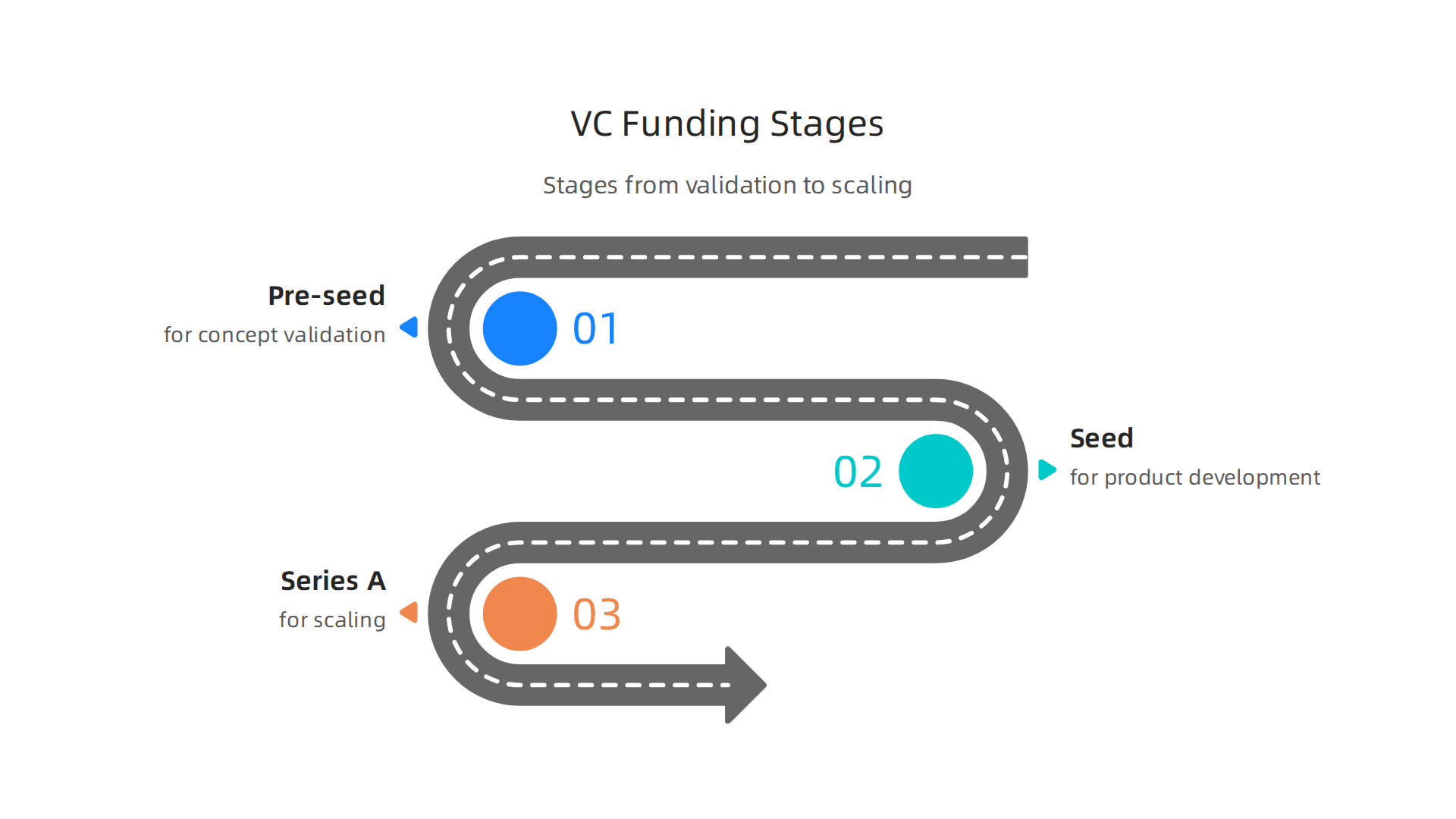
as outlined in a World Economic Forum report on venture capital.
A typical seed enterprise investment in 2026 ranges from $500,000 to $3 million. Knowing this structure helps you when you are seeking startup funding help and learning how to raise capital for startup.
To understand the scale of these operations, take a look at our overview of the biggest investment companies of 2026 and their impact on startups and investors.
Bootstrapping, Loans, and Grants
VC money is not the only path to growth. In fact, many small businesses thrive without giving away any equity at all.
Bootstrapping means you use your own revenue to fund the business. You keep full control over every decision. The trade-off is that your growth will likely be slower. You cannot hire as fast or spend as much on marketing.
If venture capital firms for small businesses feel too high-pressure, bootstrapping gives you full control. But it can limit your speed.
Another option is an SBA loan. These loans come from banks but are backed by the government. They provide non-dilutive capital, meaning you do not give up ownership. Current SBA 7(a) interest rates range from 7.25% to 9.75% as of May 2026, depending on the loan size and term. However, the eligibility requirements are strict. You need good credit, solid financials, and a clear business plan.
Grants are also available through government programs and private foundations. They are free money, but they are highly competitive and often limited to specific industries like technology or clean energy.
For more funding ideas, check out our guide on how to discover startup project opportunities using AI and data analytics. It can help you identify grants and partners faster.
When Does a Small Business Qualify for Venture Capital?
Not every business is a good fit for venture capital firms for small businesses.

In fact, most small businesses never take VC money. Venture capitalists look for companies that can grow very fast and become huge. They want a massive total addressable market. They also want a defensible moat, meaning something that protects your business from competitors.
According to the 4 pillars investor framework from Spectup, VCs evaluate four main things: the founder team, product-market fit, total addressable market, and traction metrics. They look for revenue growth, a strong team, and a clear path to scale. Before making a decision, they run deep due diligence. The VC due diligence checklist from Qubit Capital explains how investors review your finances, team, and market position.
Series A funding requirements in 2026 often demand proven product-market fit and predictable revenue streams, as highlighted by Angel Investors Network. If your business is still finding its first customers or has only local reach, you might not be ready for a traditional VC round.
That does not mean you are out of options. You could seek seed enterprise investment from angel investors or early-stage funds. Or you could target growth equity firms that invest in more mature companies. The key is knowing where your business fits.
If you want to learn more about the top venture capital firms shaping the landscape, check out our article on the biggest investment companies of 2026 and their impact on startups and investors.
For most small businesses, the smartest move is to build traction first through bootstrapping or loans, then approach VCs when your metrics are stronger. That way, you have startup funding help when you actually need it. Understanding the due diligence process early is a critical part of how to raise capital for startup successfully.
Revenue, Growth, and Scalability Requirements
You might be wondering what numbers actually matter to venture capital firms for small businesses. The answer depends on your stage.
For seed stage funding, most VCs expect at least $500,000 in annual recurring revenue (ARR). If your business has not hit that yet, you need very strong user growth instead. They want proof that real people find your product valuable enough to pay for it over time.
But revenue alone will not seal the deal. You also need scalability. This simply means your business can grow fast without costs rising at the same rate. For example, a software company using smart technology can add thousands of users without hiring many new people. That is a scalable business model. A service business that needs one employee per customer does not scale as easily.
According to the 4 pillars investor framework from Spectup, VCs look closely at traction metrics like revenue growth and unit economics. They also dig into your finances to make sure your numbers are clean. A finance due diligence guide from Kruze Consulting explains how to present financials that show you are ready to scale.
If you can show both strong early revenue and a clear path to scalable growth, you improve your chances of getting startup funding help. Understanding how to raise capital for startup often comes down to proving these two things first. For more on how technology fuels scalable growth, check out our guide on how to discover startup project opportunities using AI and data analytics.
Top Venture Capital Firms Actively Investing in Small Businesses (2026)
Once your numbers are solid, the next step is finding the right partner. The good news is that many venture capital firms for small businesses now offer smaller checks and real hands-on support. You do not always need a million-dollar round to get started.
Here are a few active firms in 2026 that match the profile of a growing small business:
- Y Combinator – A top name for pre-seed and seed stage.
They invest around $125K to $500K and provide a strong network. This is a great option for first-time founders. OpenVC lists them as one of the leading pre-seed investors in 2026.
- 500 Global – This firm writes checks from $100K to $2M and focuses on early stage startups. They also run accelerator programs that give you funding and mentorship. Eqvista includes them in their list of 100 top active VC firms.
- Techstars – Known for its accelerator model, Techstars invests $100K to $120K in exchange for equity. They have programs in many cities, which makes them a smart choice for regional founders. You can find them on many top VC lists for 2026.
- First Round Capital – They write seed stage checks of around $500K to $2M and are known for being founder friendly. Their portfolio includes many small businesses that later grew into unicorns. The CRV guide on early stage VC firms recommends them for first-time founders.
Besides these national firms, look for regional and sector specific funds. For example, if you are building in health tech or clean energy, a niche fund will understand your market better and offer more relevant support. The Affinity blog on top VC firms by sector shows how matching your industry to the right fund improves your odds.
If you want a broader list of active funds, check out our guide to the biggest investment companies of 2026. That article covers how large firms are also opening smaller check programs to reach small business owners.
Picking the right venture capital firms for small businesses is about fit as much as funding. Target those that write your size check, understand your space, and offer real help beyond the money.
Early-Stage Funds with Small Check Sizes
Not every business needs a million-dollar check. In fact, many successful startups begin with much smaller amounts. That is where micro-VCs and angel syndicates come in. These investors write smaller checks, often between $25,000 and $250,000. They focus on pre-revenue or early-revenue companies. For first-time founders, this is a perfect entry point.
According to the EI Exchange, micro-VC funds typically invest $100,000 or less, compared to the millions traditional firms put in. That smaller size means less dilution and a better fit for early traction. Many of these micro-VCs are run by former founders, so they offer real hands-on help along with the cash.
These investors are a type of venture capital firm for small businesses that truly understand early-stage struggles. If you need startup funding help, micro-VCs are a smart first step. Platforms like OpenVC maintain updated lists of these active early-stage investors.
Learning how to raise capital for startup starts with knowing where to look. Micro-VCs and angel syndicates are often more accessible and move faster than large funds. To find them, you can use data tools to match your business with the right backers. Check out our guide on using AI to discover startup project opportunities for a practical approach.
How to Prepare Your Small Business for VC Funding
You found some micro-VCs and angel syndicates. Now comes the hard part: getting them to say yes. Preparation is what separates funded startups from rejected ones.

Start with your finances. VCs dig into your books. According to Kruze Consulting, startups that fix weak accounting early close more deals. Clean records show you run a serious business.
Build a strong pitch deck. Your deck should tell a clear story about your problem, solution, and market. Spectup explains that VCs judge startups through four lenses: founder team, product-market fit, total addressable market, and traction metrics. Weak product-market fit kills more deals than anything else.
Assemble a capable team. Underdog.io notes that a startup is its people. Investors want a committed team with relevant experience.
Then comes due diligence. This is the deep dive. A VC due diligence checklist covers legal documents, financial records, and market analysis. Be ready for them to examine everything.
Common mistakes include poor product-market fit and weak traction. Series A funding requirements in 2026 show that proven fit and predictable revenue are now table stakes.
If you want startup funding help, start with preparation. Knowing how to raise capital for a startup begins long before you pitch. For a bigger picture of who is investing right now, check out our guide on the biggest investment companies of 2026 and their impact on startups and investors.
The right venture capital firms for small businesses are out there. They only fund founders who show up ready.
Financials, Pitch Deck, and Team
Now that you know how to prepare, let’s break down the three big things investors look at first. These are your financials, your pitch deck, and your team. Get these right, and you will stand out from other founders looking for startup funding help.
Start with clean financial projections. You need to show a clear path to profit. Investors want to see your unit economics. According to Kruze Consulting, the best pitch decks include key financial metrics that prove your business can scale. Think about your customer acquisition cost versus lifetime value. Show how you will reach profitability. Growth equity firms love seeing numbers that add up.
Then build a pitch deck that tells a story. This is not just a list of features. Your deck should explain your problem, your solution, and your market in a simple way. NextView.vc offers a free template designed for discussion-based pitches. It is short and to the point. Use data and strong visuals. Silicon Valley Bank says the best decks capture interest quickly. Look at Slidebean for real examples from successful startups like Airbnb and Uber. Your deck should make investors want to learn more.
Finally, show off your team. Investors bet on people, not just ideas. They want a balanced team with relevant experience. This means having the right mix of skills. You might need a technical founder, a sales person, and someone who understands operations. When you understand how to raise capital for a startup, you know your team is your biggest asset.
So, focus on your financials, your deck, and your people. If you want to see who is writing checks right now, check out our guide on the biggest investment companies of 2026 and their impact on startups and investors. It will help you target the right venture capital firms for small businesses.
Alternative Funding Options: SBA Loans, Angel Investors, and Grants
Not every startup fits the venture capital mold. Maybe you do not want to give up equity yet. Or maybe your business is steady but not the hypergrowth type that venture capital firms for small businesses look for. The good news? You have solid alternatives. Here are three that work for many founders.
SBA Loans: Affordable Debt with Strings Attached
SBA loans are backed by the U.S. Small Business Administration. They offer lower interest rates than most bank loans. As of May 2026, SBA 7(a) loan rates range from 7.25% to 9.75% depending on the loan size and terms. Lendio reports that rate maximums can go up to 14.75% for smaller loans. The catch? You need collateral and a personal guarantee. That means the bank can take your assets if you default. But if you have solid credit and a clear plan, this is a smart way to get growth equity without diluting ownership.
Angel Investors: Mentorship and Early Capital
Angel investors are wealthy individuals who invest their own money. They usually fill the gap between friends and family and formal VC rounds. Many angels bring more than cash. They offer guidance, connections, and industry experience. This is great if you are a first‑time founder seeking startup funding help. The trade‑off is that you still give up some equity, but often at a better valuation than later rounds.
Grants: Free Money, but Hard to Get
Grants are the closest thing to free money in the startup world. You do not have to repay them or give up equity. However, they are extremely competitive. Most grants come with strict rules on how you spend the funds. You might need to focus on specific areas like research, clean energy, or community impact. If you qualify, grants can be a game changer.
Tip: If you are exploring how to raise capital for your startup, learning to spot opportunities is half the battle. Check out this guide on discovering startup project opportunities using AI and data analytics to find paths you might have missed.
Remember, each of these options works best for different stages and goals. Mix and match if your business allows. The key is to choose the funding path that matches your vision, not the other way around.
Comparing Terms and Dilution
When you choose between debt, equity, and grants, you are really trading off control, cost, and risk. Here is how the three options stack up.
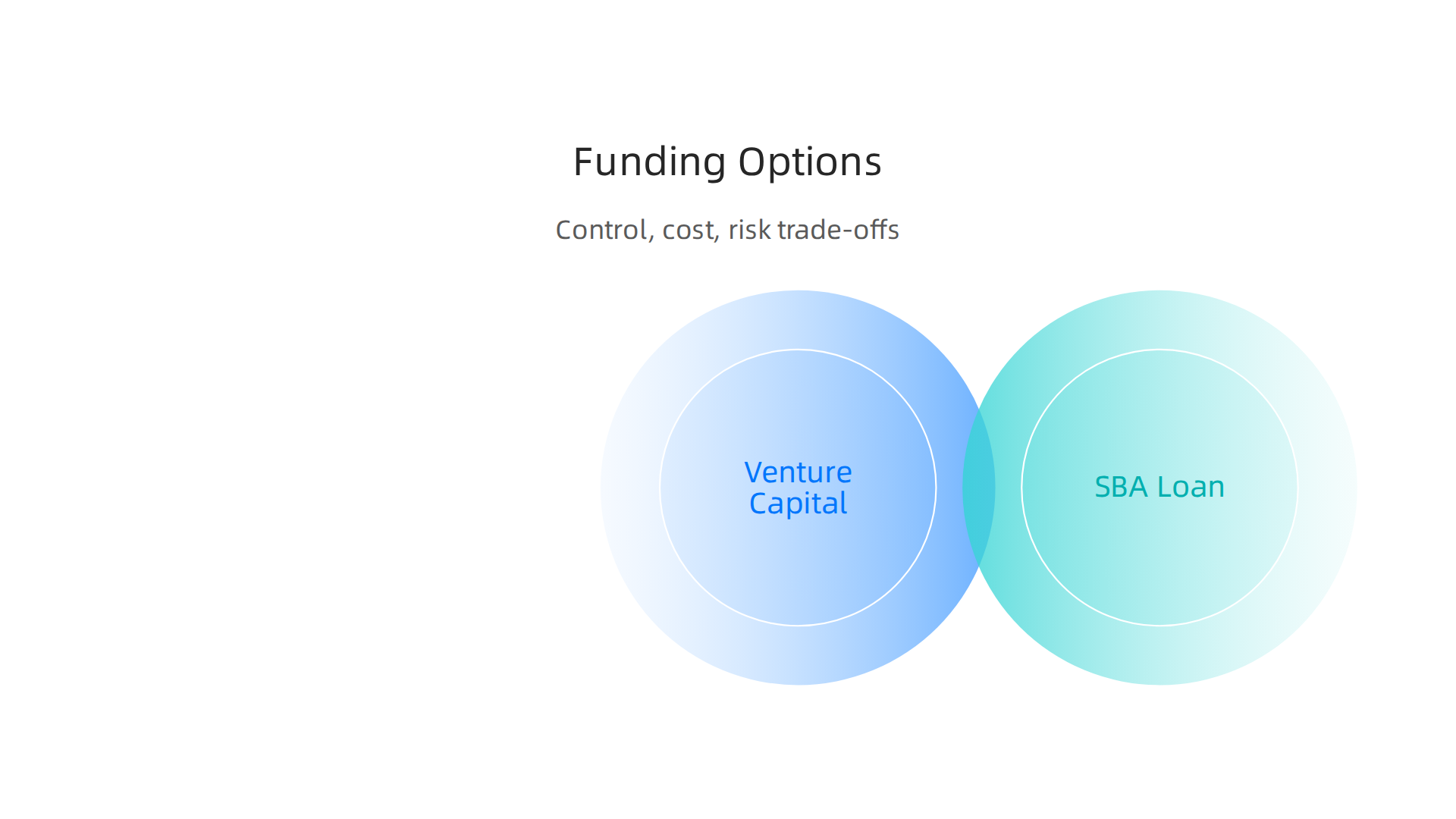
| Funding Type | Dilution | Repayment | Key Trade Off |
|---|---|---|---|
| Venture Capital | High dilution (you give up ownership) | No repayment needed | Fast growth comes with loss of control. VC firms for small businesses push hard for scale. |
| SBA Loan / Debt | No dilution (you keep 100% ownership) | Must repay with interest | Interest rates for 7(a) loans range from 7.25% to 9.75% as of May 2026, per SBA guidelines. You keep your equity but take on monthly payments. |
| Grants | No dilution | No repayment required | Free money, but you often need matching funds and strict reporting. Great for seed enterprise investment or research projects. |
The bottom line: If you want to keep total ownership and can handle debt, an SBA loan is a strong choice. If you are targeting hypergrowth and need mentorship, venture capital from growth equity firms might be worth the dilution. Grants are the holy grail, but they are rare and competitive.
To make the best call, you need to see the full landscape. Read our guide on the biggest investment companies of 2026 and their impact on startups and investors to understand who else is out there. That context can help you decide how to raise capital for your startup without giving away too much too soon.
A Step-by-Step Guide to Pitching to Venture Capital Firms
You already know that venture capital gives you fast growth in exchange for ownership. But how do you actually get that check? Here is a real look at the process in 2026.
Start with a warm introduction, not a cold email. Most top tier venture capital firms for small businesses almost never fund cold pitches. A warm referral from a trusted founder, angel investor, or accelerator doubles your chances of getting a first meeting. That is why building your network before you raise money matters so much. You can get warm intros by joining startup communities or working with a seed enterprise investment group that has direct VC connections.
The pitch process follows a clear path. It usually goes like this:
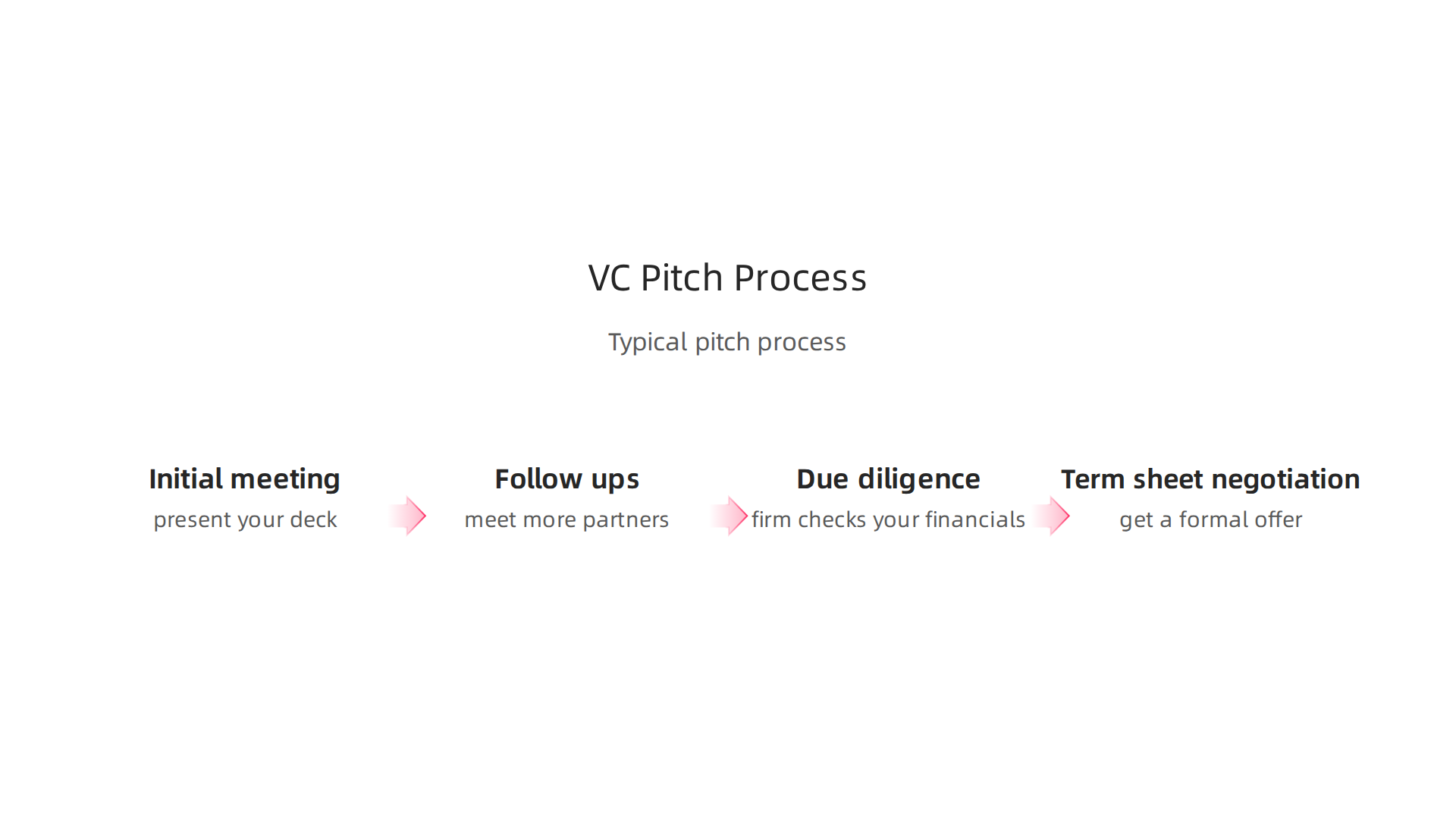
- Initial meeting. You present your deck to a junior partner or associate. They want to see traction, a big market, and a strong team.
- Follow ups. You meet more partners. Expect tough questions about your unit economics and growth plan.
- Due diligence. The firm checks your financials, customer references, and legal documents. This can take weeks.
- Term sheet negotiation. You get a formal offer with terms like valuation, liquidation preferences, and board seats.
Legal terms matter more than you think. Many first time founders focus only on valuation. But liquidation preferences (who gets paid first if the company sells) can completely change your payout. Board seats also shift control. A growth equity firm might ask for a board seat and veto power over major decisions. Read every line of the term sheet with a lawyer who knows startup funding help.
To see which firms are actively investing today, check out the list of top venture capital firms in 2026 and filter by stage. And if you want to impress investors with data driven insights, learn how to discover startup project opportunities using AI and data analytics. That kind of preparation shows you know how to raise capital for your startup the smart way.
From Warm Introduction to Term Sheet
You have your list of target firms. Now it’s time to turn those names into real meetings. Here is the truth: most successful funding rounds start long before the formal pitch.
Building relationships early is your biggest advantage. Investors want to know you before they see your deck. So join startup events, ask for introductions from trusted contacts, and share your progress with potential backers even when you are not raising. This warm approach makes a huge difference when you finally ask for a meeting. If you are new to this, working with a seed enterprise investment group can open those doors.
Due diligence takes time and full honesty. Once a venture capital firm shows interest, they will dig deep into your numbers, team, and legal documents. Expect four to eight weeks of checks. Be completely transparent from day one. Any hidden problem can kill the deal. Use this time to prepare detailed financials and customer references.
Term sheets are about more than valuation. Many first time founders focus only on the dollar amount. But the real value is in the terms. Look closely at liquidation preferences (who gets paid first if you sell) and board seats. A growth equity firm might ask for control over major decisions. Always have a lawyer who understands startup funding help review every line.
The best way to learn how to raise capital for your startup is to study real examples. Check out pitch decks from successful startups to see how they told their story and closed the deal.
Summary
This guide explains whether venture capital suits your small business and walks you through practical alternatives like bootstrapping, SBA loans, angel investors, and grants. It defines VC, shows the typical seed check sizes and revenue expectations in 2026, and outlines the market realities founders face when seeking growth capital. You’ll learn which types of investors write smaller checks (micro‑VCs and angel syndicates), the financial and team benchmarks VCs look for, and how to prepare a clean pitch deck and due diligence materials. The article also maps the investor journey from warm introductions to term sheet negotiation and flags key legal terms to watch. Finally, it points to tools and AI approaches for finding funding opportunities and recommends when to choose non‑dilutive capital instead of equity. After reading, you’ll know how to decide if VC is right for you, where to look for appropriate investors, and the concrete steps to prepare and pitch effectively.