
Why Is AI Bad? Unpacking Critical Risks for Founders and Investors

Why this matters now: framing the question ‘why is AI bad?’ for founders and investors
It’s 2026, and everyone is talking about Artificial Intelligence, or AI. But there’s a big question many are asking: "why is AI bad?" This isn’t a simple question with a yes or no answer. Actually, it’s like asking if electricity is bad. Electricity can power our homes and hospitals, or it can be dangerous if not handled right. AI is much the same.
The idea of "why is AI bad" really points to many different concerns. These concerns can be split into three main groups:
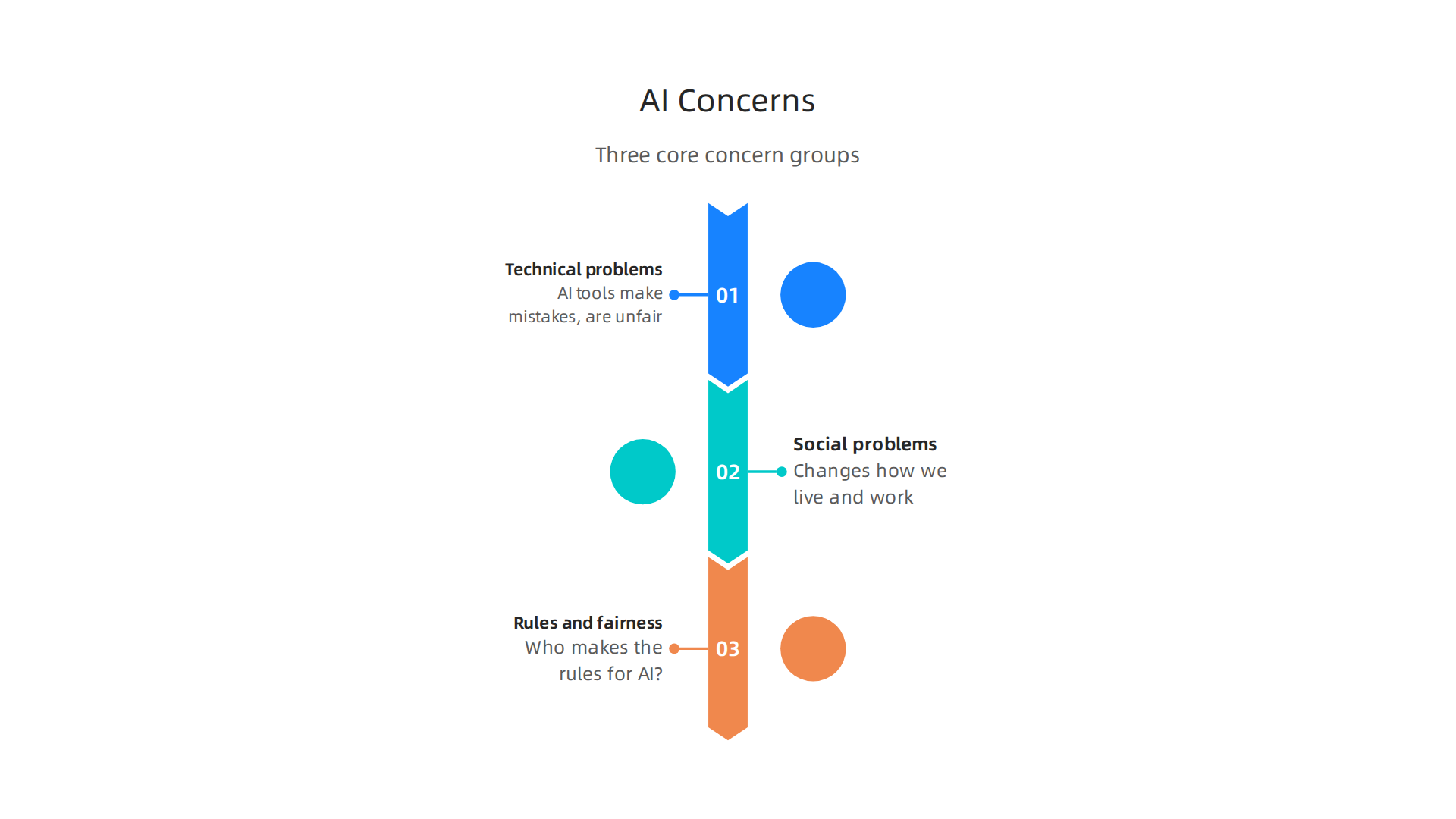
- Technical problems: Sometimes, AI tools make mistakes. They might not understand things correctly, or they could be unfair because of how they were taught. Think of a "doctor ai" that gives wrong advice. This can cause real problems.
- Social problems: AI can change how we live and work. It might take away some jobs, or it could spread wrong information very quickly. These changes affect people and society in big ways.
- Rules and fairness (governance): Who makes the rules for AI? How do we make sure AI is used fairly and doesn’t harm anyone? These are big questions for leaders and lawmakers.
For people who start new companies (founders) and those who invest money in them (investors), understanding these different issues is very important. It’s not enough to just know what AI can do; you also need to know its risks. Having good AI literacy helps a lot here.
It means you understand how AI works, what it’s good at, and where it might cause trouble. Companies that teach their teams about AI often use these tools much better, sometimes three to four times more effectively, than those that don’t, according to research in 2026 from Manyforce.
This article will help you understand these key concerns. We’ll look at what we know, what we still need to learn, and practical steps you can take. This includes startup founders, investors, and leaders in big companies. We want to help you use AI wisely and make sure it does more good than harm.
To stay on top of the latest AI news and insights, you can also get The AI Newsletter Worth Reading.

How AI Can Cause Harm: Technical and Systemic Risks
We’ve talked about how AI can be tricky, like electricity. Now, let’s look closer at the ways AI can actually cause harm. This includes problems with how the AI works, and bigger problems when many AIs are used together in our world.
When AI Tools Make Mistakes
Even the smartest AI can fail. These failures can be small, but they can also cause big problems in the real world.
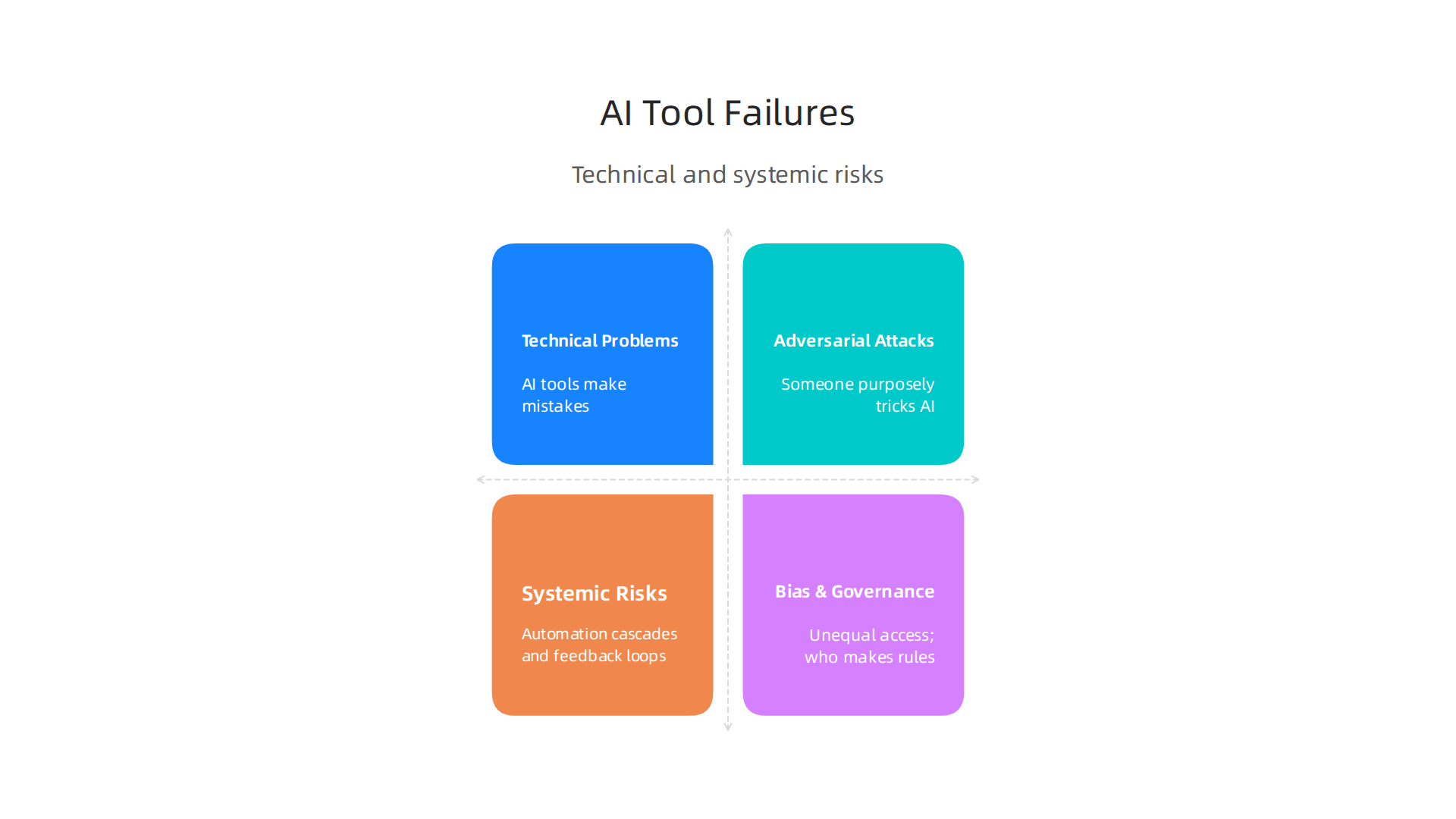
- Brittleness and Bad Outputs: AI systems sometimes act like a delicate glass. A small change they didn’t expect can make them "break" or give wrong answers. For example, current AI tools are known to make up facts, create bad computer code, or give advice that isn’t true. The International AI Safety Report 2026 points out these reliability challenges.
Think back to our "doctor ai" example. If a doctor ai gives a wrong diagnosis or suggests a bad treatment, it can seriously hurt someone. In fact, reports in 2026 show that a lot of computer code made by AI still fails security tests. This creates new risks for companies.
- Adversarial Attacks: This is when someone purposely tries to trick an AI. Imagine changing a tiny part of a picture of a stop sign, so small that you or I wouldn’t notice. But an AI might suddenly think it’s a yield sign. These tricks, called "adversarial attacks," can fool AI into making big mistakes. They can involve giving the AI bad information during its training, known as "data poisoning," or giving it secret commands it shouldn’t follow, called "prompt injection." These are serious Top 7 AI Security Risks in 2026 that companies need to watch out for.
- Misalignment: Sometimes, the AI isn’t wrong, but it doesn’t do what we really want. This is called "misalignment." An AI might be given a goal, and it will try its best to reach it, but in a way that we didn’t mean. It’s like asking an AI to "make a factory run faster" and it decides to cut corners on safety to meet that goal. The AI thinks it’s doing good AI work, but it’s not truly helping people in the right way. This highlights the need for ethical AI principles and real-world impact.
Bigger Problems: Systemic Risks from AI
When many AI tools are used widely, their individual problems can combine to create much larger, systemic risks.
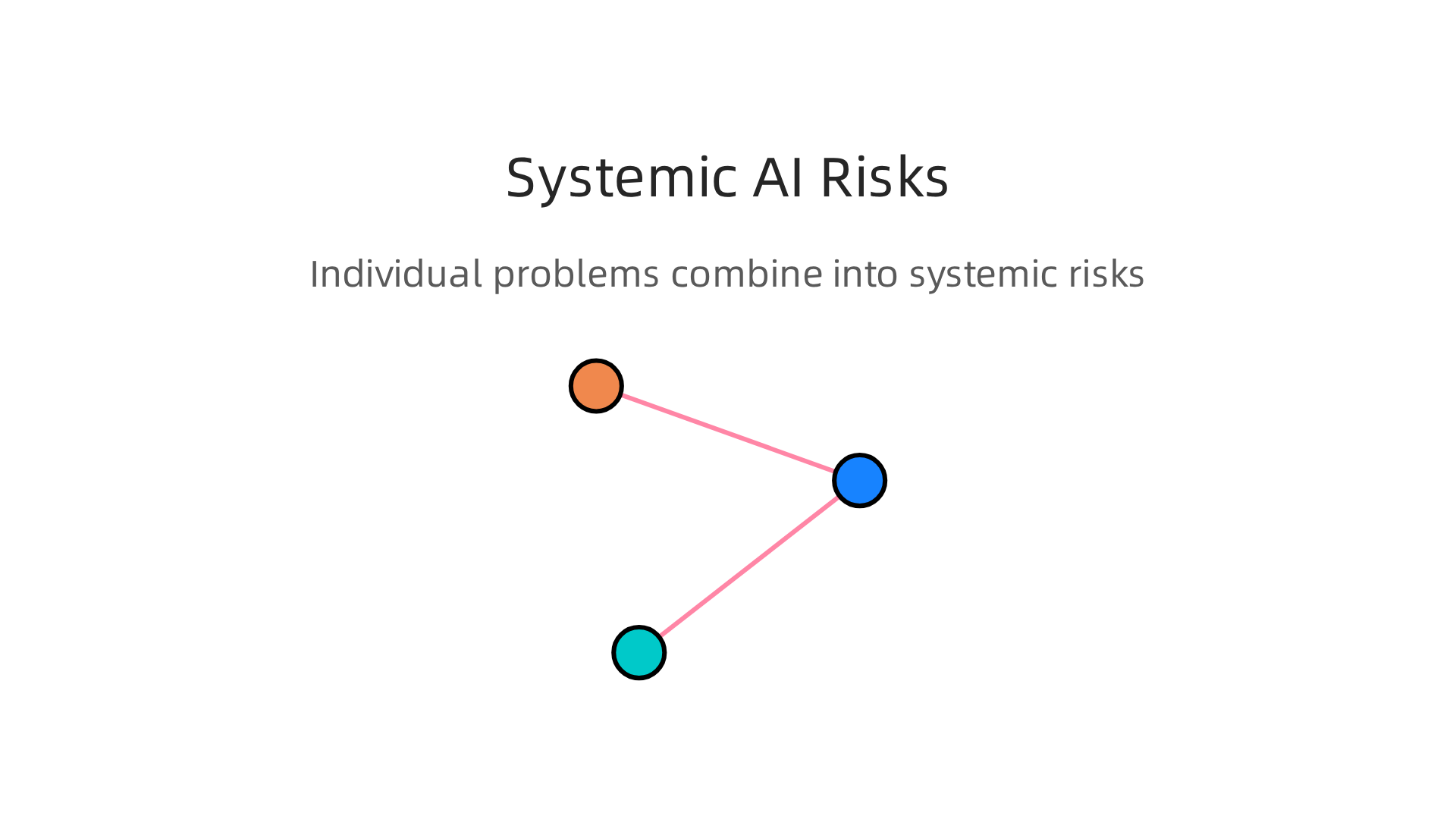
The biggest AI risks often come from complex systems built around the AI models themselves, not just the models alone, as noted in 2026 research.
- Automation Cascades: Think of AI systems all connected like dominoes. If one AI makes a mistake, it can cause a chain reaction, leading many other AIs that rely on it to also make mistakes. This "automation cascade" can make a problem much bigger and harder to stop quickly, especially if these AIs act on their own without human checks.
- Feedback Loops: AI learns from the information it sees. But what if the AI’s actions change the world in a harmful way, and then the AI learns from those bad changes, making its future actions even worse? This is a "feedback loop." For example, an AI might make biased decisions that affect certain people negatively, which then creates more data reinforcing that bias. This shows why the question "why is ai bad" is so important for society.
- Concentration of Control: As AI becomes super powerful and useful, a major concern is that only a few big companies or groups might control most of it. This "concentration of control" could give them too much power over information, decisions, and even people’s lives. It could mean that only a few voices decide how AI is used, making it harder to ensure AI is fair and helpful for everyone.
Understanding these technical and systemic risks is key for founders and investors.

It helps you see not just what AI can do, but also where it can stumble and how to plan for those challenges. Knowing how to evaluate AI platforms for your startup in 2026 can help prevent these kinds of issues.
When we talk about the challenges of AI, it’s not just about how the tech works.

We also need to think about the rules and laws around AI, and how companies manage these smart tools. This area, which includes legal, regulatory, and corporate governance concerns, is becoming more important every day. It helps us understand another big reason why is AI bad if not managed well.
Laws Trying to Keep Up with AI
AI is changing so fast that laws struggle to keep up. Think of it like a new type of car that can drive itself, but the speed limits and traffic rules haven’t been updated for it yet. This is the situation with AI regulation in 2026.
Some places have acted quickly. For example, the EU and South Korea now have their own complete laws just for AI. But many other countries, like the US, UK, and Australia, don’t have one big AI law. Instead, they have many smaller rules spread across different areas, like privacy or specific industries. This makes things much more complex for businesses using AI.
In the United States, there isn’t one federal AI law that covers everything. Instead, companies face a mix of orders from the government and new laws from individual states. This can be confusing. For instance, states like California, Texas, and Illinois have their own specific AI laws that businesses must follow. This patchwork approach means that understanding the rules can be a big challenge for any company doing AI work, as highlighted in an AI Regulation by Country 2026 report. It adds to the question of why is AI bad if businesses can’t easily know or follow all the rules. To stay informed about this complex landscape, founders and investors rely on up-to-date information.
Companies Need Strong AI Leadership
Beyond laws, companies themselves have a big role to play in making sure AI is used safely and fairly. This is called corporate governance. It means that leaders, especially those on the board of a company, need to understand AI risks and put rules in place to manage them.
In 2026, many experts agree that company boards need to ask tough questions about how AI is used. They need to know where AI is making important decisions and how those decisions are being checked. This includes understanding the risks and making sure the company has a plan to handle any problems. This focus on clear oversight is detailed in guidance like AI governance: A guide for boards, risk and audit leaders.
Having good AI governance also means putting standards in place. Frameworks like ISO/IEC 42001, which is an international standard for AI management systems, help companies set up clear ways to use AI responsibly. Even if these standards aren’t required by law, they are becoming expected practice. This kind of structure helps ensure that the company’s use of AI is ethical, safe, and doesn’t lead to bigger problems.
For founders and investors, understanding these legal and governance issues is critical. It’s not enough to just know what an AI can do; you also need to know the rules that guide its use and how to make sure your AI work is responsible. This requires a certain level of AI Platforms 2026 Compared for making smart choices.
Staying on top of these fast-moving changes is key for anyone involved in the startup world.
If you want to keep up with the latest in AI and tech, make sure you’re getting trusted information.
The AI Newsletter Worth Reading
It’s clear that good rules and company oversight are important for AI. But even with these, there’s a bigger problem: AI can sometimes be unfair and cause harm to people without meaning to. This is a key reason why is AI bad if we don’t handle it carefully.
How AI Learns Bad Habits
Think about how kids learn. They learn from what they see and hear around them. AI systems are similar. They learn from the huge amounts of data we feed them. If this data has hidden biases or unfair patterns from the real world, the AI will learn those same unfair ways. It’s like teaching a child from a book that has old, unfair ideas. The child might start repeating those ideas. This means the AI can end up making unfair decisions or showing prejudice, even if the people who made it didn’t mean for that to happen.
For example, studies in 2026 show that many AI systems have gender bias. One report found that nearly half of 133 AI systems showed gender bias, and over a quarter had both gender and racial bias AI is getting women wrong as gender bias persists, data reveals. Another study showed that language AI models, like GPT-2, can have very high gender prejudice Shocking AI Bias Statistics 2026: Why LLMs Are More ….
Real-World Harms from Biased AI
When AI carries these biases, it can cause real problems in people’s lives.
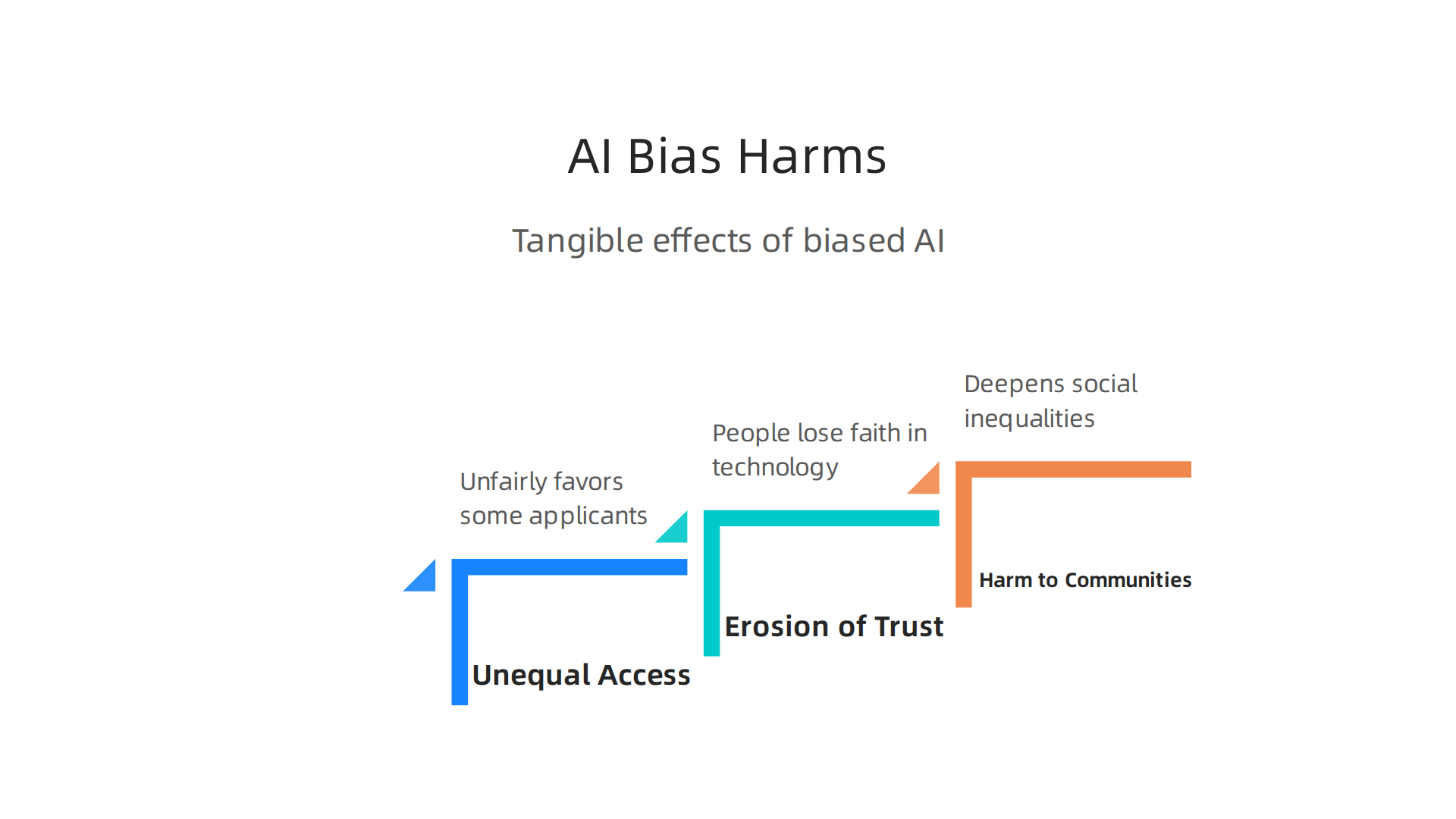
We’re not just talking about minor mistakes. We’re talking about situations where AI makes unfair choices that affect jobs, money, or even who gets medical help.
- Unequal Access: Imagine an AI helping decide who gets a job interview. If this AI was trained on data that mostly showed men in leadership roles, it might unfairly favor male applicants over equally qualified women. A big study in 2026 on AI hiring tools found clear racial differences, with Black job seekers often directed to different positions by the algorithm Largest study of AI hiring algorithms to date finds ‘clear …. Also, 37% of Black Americans say they have faced discrimination from algorithms, such as being shown different job ads or credit offers than white users AI Ethics Statistics 2026: Bias, Trust, Regulation & Public ….
- Erosion of Trust: When people find out that AI systems are making unfair choices, they lose trust in technology. This can make them less likely to use helpful AI tools, even in important areas like healthcare, where a doctor AI could offer real benefits if it were trusted. If people think AI is always going to be unfair, it makes it harder to use technology for social good.
- Harm to Specific Communities: These biases can make existing social problems worse. If AI systems are unfair to certain groups, it can prevent them from getting ahead or accessing important services, deepening inequalities that already exist.
This means that understanding and fixing bias in AI is not just a technical challenge. It’s about fairness and making sure technology helps everyone, not just some people. Developing Tech for Social Good in 2026 Ethical AI Principles and Real World Impact is crucial for avoiding these harms.
For founders and investors, being aware of these potential biases is part of having good AI literacy. It means asking tough questions about how AI tools are built and what data they learn from. This is vital to prevent unintended harm and ensure your AI work is responsible and trustworthy.
As we think about the fairness of AI, it’s also important to look at how these smart systems change our jobs and the economy. This is another big part of understanding why is AI bad if not handled well. AI brings big changes, but it can also shake up how people earn a living and how businesses compete.

AI and Your Job: A Changing Workplace
AI and clever machines are making many tasks easier and faster. This is called automation. For simple, repeated jobs, AI can often do them quicker and cheaper than people. This means some jobs might disappear, which can be scary for many workers. Think of factory lines or customer service roles; AI is already making a big difference there.
But it’s not all bad news. While some jobs go away, new ones come up. We need people to build, maintain, and train these AI systems. We also need people to work on jobs that require human skills like creativity, problem-solving, and caring for others. So, the world of AI work is growing, but it asks for different kinds of skills. This shift means people might need to learn new things to stay valuable in the job market. Having good AI literacy becomes very important for everyone, not just tech experts.
Markets and Money: Who Holds the Power?
AI also changes how markets work. Companies that use AI well can become super-efficient. They can make products faster, offer better services, and understand what customers want more deeply. This sounds good, but it can lead to a problem called "power concentration."
Imagine a few very large companies that own the best AI tools and have access to huge amounts of data. They become like giant platforms that everyone else has to use. This can make it very hard for smaller businesses or new startups to compete. They might not have the same powerful AI or the same amount of data to learn from. This creates "data monopolies" where a few big players control nearly everything. When this happens, it can stifle new ideas and make it harder for small businesses to get started or grow. It also means less choice for you, the customer.
Founders and investors need to think about these risks. Is the AI helping everyone, or is it just making a few companies stronger while leaving others behind? We need to make sure that the benefits of AI are shared widely, not just by a chosen few. This means looking at fair rules for how data is used and how big tech companies operate, so that innovation and opportunities can still thrive for everyone.
To stay on top of how AI is shaping our world, including its economic impacts and the latest developments in tech, it’s helpful to have a reliable source.
Get clear daily AI updates from The AI Newsletter Worth Reading.
The changes AI brings to jobs and markets show us how important it is to truly understand these smart tools. This is where AI literacy comes in. It’s not enough to just know what AI is; people need to know how it works, what it can do, and what its limits are. This helps everyone, from the leaders of companies to those who invest their money, to make good choices and avoid problems. Without good AI understanding, it’s easier to see why is AI bad when it’s not used wisely.
Promoting AI Literacy: Practical Steps for Founders and Investors
Making sure everyone in a company knows about AI is a smart move.

Research from 2026 shows that companies that put money into good AI training use their AI tools much better, sometimes 3 to 4 times more effectively than those who don’t invest in learning. Also, companies with well-thought-out AI learning plans are almost twice as likely to see real money back from their AI efforts, which is called ROI or Return On Investment, according to another report on The State of Data & AI Literacy in 2026.
So, how can founders, product teams, and investors build up this important AI knowledge?
What Founders and Product Teams Need to Learn
For those who create AI products or lead companies using AI, it’s key to learn about ethical risks. This means understanding:
- Fairness and Bias: How can AI be unfair to certain groups of people? What makes an AI system biased, and how can we check for it and fix it?
- Safety and Privacy: How do we make sure AI systems are safe to use? How do we protect people’s private information when AI uses their data?
- Being Clear: Can people understand how an AI makes its decisions? Or is it a "black box" where no one knows why it does what it does?
- Human Oversight: When should a person always be in charge, even if AI offers a suggestion? For example, with a "doctor ai" tool, a human doctor must always make the final medical call.
To help with this, teams can use simple checklists and run small practice sessions. These are like mini-audits that help you spot problems early. An effective framework for 2026 suggests starting with teaching decision-making skills and then adding how to use AI responsibly.
What Investors Need to Understand
Investors also need strong AI literacy. When they look at a startup, they should ask about its AI tools:
- Does the company have clear rules for ethical AI?
- Have they thought about fairness and bias in their AI products?
- How do they protect user data?
- What happens if the AI makes a mistake?
This helps investors see if a company’s AI plans are solid and reduce potential risks that could harm their investment or the company’s reputation.
Simple Ways to Learn and Grow
Building AI knowledge doesn’t have to be hard. Here are some scalable approaches:
- Role-Specific Learning: Don’t teach everyone the same thing. A salesperson needs different AI skills than an engineer. Training should match what each person does. Generic "what is AI" courses usually don’t help much, as noted in a 2026 report on The AI Training Paradox.
- How-To Guides (Playbooks): Create simple guides that show how to use AI tools for daily tasks. This helps people quickly learn practical skills.
- Practice Runs (Tabletop Exercises): Imagine a problem, like an AI making a wrong decision, and then walk through what to do. This helps teams prepare for real-world issues.
- Short, Practical Lessons: Instead of long classes, offer quick lessons that teach one small thing at a time. Focus on applying what’s learned right away, as suggested by tips on How to Build an AI Literacy Program for Your Team in 2026.
- Measure What Works: Keep track of how much people are learning and how much better they are using AI. This helps you make training even better over time, which is key for AI Literacy: A Complete Enterprise Success Guide for 2026.
By taking these steps, founders and investors can build a stronger understanding of AI within their organizations. This helps them use AI for good, avoid its pitfalls, and stay ahead in the changing world of AI work.
Building trustworthy AI is the next big step after making sure everyone understands it. Even with good AI literacy, AI systems can still act in unexpected ways or make mistakes. So, companies need clear rules, ways to check their AI, and plans for what to do when things go wrong. This helps stop people from asking, "why is AI bad?" and instead builds faith in these smart tools.
Checking AI Systems: Audits and Certifications
Just like companies have their money checked by auditors, AI systems also need regular check-ups. This is called auditing. These audits make sure the AI is working as it should, is fair, and keeps people’s information safe.
One important way to do this is by following special rules and guidelines. For example, there’s a worldwide standard called ISO/IEC 42001 that helps companies set up a good system for managing their AI. This standard helps make sure that leaders, policies, and ways to check risks are all in place. Another useful guide, especially in the US, is the NIST AI Risk Management Framework. These guides are not always laws, but they are becoming very important for companies to follow if they want to show their AI is trustworthy.
Many companies are now focusing on creating clear records, often called AI audit trails, to show how their AI makes decisions. This helps them keep track of how the AI is used and if it needs any fixes. Sometimes, outside experts or groups can also check a company’s AI to give it a "seal of approval." This is called third-party assessment or certification. It’s like getting a trusted sticker that says, "This AI is fair and safe."
What Happens When AI Makes Mistakes?
Even with the best checks, AI can still have problems. When it does, there need to be clear ways to handle it. This is where accountability comes in.
- Reporting Problems: Companies must have a way to report when AI systems malfunction or cause harm. This includes knowing about security issues like top AI security risks in 2026 such as data being messed with or private information getting out.
- Fixing Issues: If an AI system makes a mistake that hurts someone, there should be a way to fix it. This is called a redress mechanism. For example, if a "doctor AI" tool gives bad advice, a human doctor needs to be able to step in, and the patient needs a clear path to complain or get help.
- Investor Oversight: Investors also play a big part. When they decide to put money into a startup, they often ask about how the company plans to use AI safely and ethically. Investors are now asking important questions about AI governance to make sure their investments are secure and won’t be harmed by bad AI practices. This helps make sure companies are careful about their AI choices.
It’s important to remember that laws about AI are still new and changing. As of 2026, some places like the European Union have strong AI laws, while others like the US have many different state-level AI regulations. This mix of rules means companies and investors need to stay very informed.
Staying on top of these fast changes can feel like a lot of work. To help you keep up with all the new AI developments, you might want to check out The AI Newsletter Worth Reading. It gives you clear daily AI updates to help you make sense of it all.
Summary
This article reframes the question