
Top Digital Transformation Companies 2026 The Hyperscalers and Emerging Leaders to Watch

Introduction
Imagine trying to run a business today without digital tools. It feels almost impossible.

The global push for digital transformation is moving faster than ever before.
In 2026, the global digital transformation market reached a valuation of $3.4 trillion. This total covers investments in cloud infrastructure, AI software, and data analytics tools. But this market has evolved. It is no longer just about moving files to the cloud. The focus has shifted to AI-native infrastructure and tools built for very specific industries.
A handful of hyperscalers companies like Amazon, Microsoft, and Google still dominate. But a new wave of tech companies is gaining ground. These companies offer specialized solutions that are reshaping the startup ecosystem. For founders and investors, knowing who the top digital transformation companies are in 2026 is more important than ever.

It helps you spot cool tech early and understand where the market is heading.
This matters because the old ways of doing business simply do not work anymore. Companies that fail to adopt these new tools risk falling behind. Those that embrace digital transformation can unlock huge growth. They can automate tasks, understand their customers better, and create new products faster.
This article gives you a data-backed overview of the top digital transformation companies and the trends that define 2026. Staying informed is the best way to stay ahead. The AI Newsletter Worth Reading delivers powerful daily insights on the technology driving this shift directly to your inbox.
What Defines a Digital Transformation Company in the Hyperscaler Era?
Not every company that offers tech services counts as a digital transformation company. In 2026, the bar is much higher. These firms provide cloud infrastructure, platform services, and expert consulting that help large enterprises modernize how they operate.
Think of them as the builders behind the scenes. They move old systems to the cloud. They set up data pipelines. They train AI models on company data. And they do it at a scale that smaller vendors simply cannot match.
Beyond the Big Three
The hyperscalers companies like Amazon, Microsoft, and Google still dominate the landscape. Together they control a huge share of the infrastructure market. But here is the shift happening in 2026. The definition of a digital transformation company now includes two new kinds of players.
First are the AI-native infrastructure providers. These are tech companies built specifically around artificial intelligence. They do not just add AI features to old products. Their entire stack from server chips to software layer is designed for AI workloads. That makes them faster and more efficient for specific tasks.
Second are the sovereign cloud specialists. Governments and regulated industries now demand data that never leaves their borders. These specialists build cloud systems in specific countries or regions. They help enterprises meet strict data rules while still getting the benefits of modern digital tools.
What Separates the Leaders
The best digital transformation companies share three traits that set them apart.
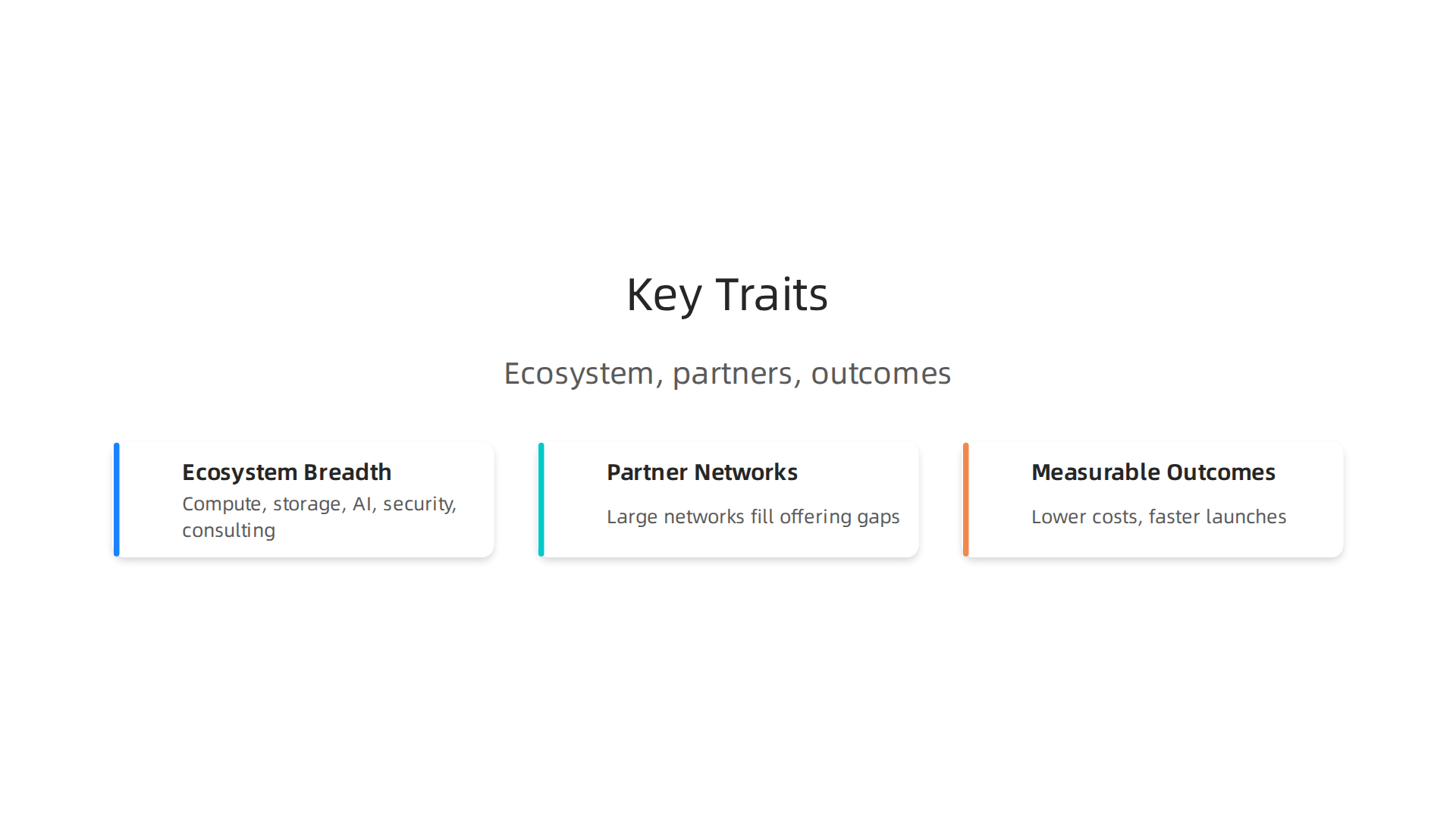
Ecosystem breadth. They offer more than one product. A leader provides compute power, storage, AI models, security tools, and consulting all under one roof. Customers do not need to stitch together a dozen different vendors.
Partner networks. No single company can do everything alone. Top firms build large networks of partners that fill gaps in their offerings. This creates a flywheel effect. More partners mean more customers, which attracts even more partners.
Measurable client outcomes. In 2026, vague promises do not cut it. Enterprises expect clear results like 30% lower operating costs or 50% faster product launches. Leaders show hard numbers.
Why This Still Matters for Startups
You might wonder why a startup needs to track these massive companies. The answer is simple. They set the rules of the game. Every new tool, platform, or policy from these firms creates either an opportunity or a threat for smaller players. For founders and investors, understanding what drives these digital transformation companies is a core skill. It helps you spot which partnerships matter and which trends will shape the startup ecosystem for years to come. Learning how to use AI for startup success often starts with understanding the platforms these giants build.
The rise of AI-native firms and sovereign cloud specialists means the market is fragmenting. That creates openings for nimble tech companies that can move faster than the hyperscalers. The digital transformation market has never been more interesting or more competitive.
The Hyperscaler Triopoly: AWS, Azure, and Google Cloud
When you look at the top digital transformation companies, three names stand above the rest.
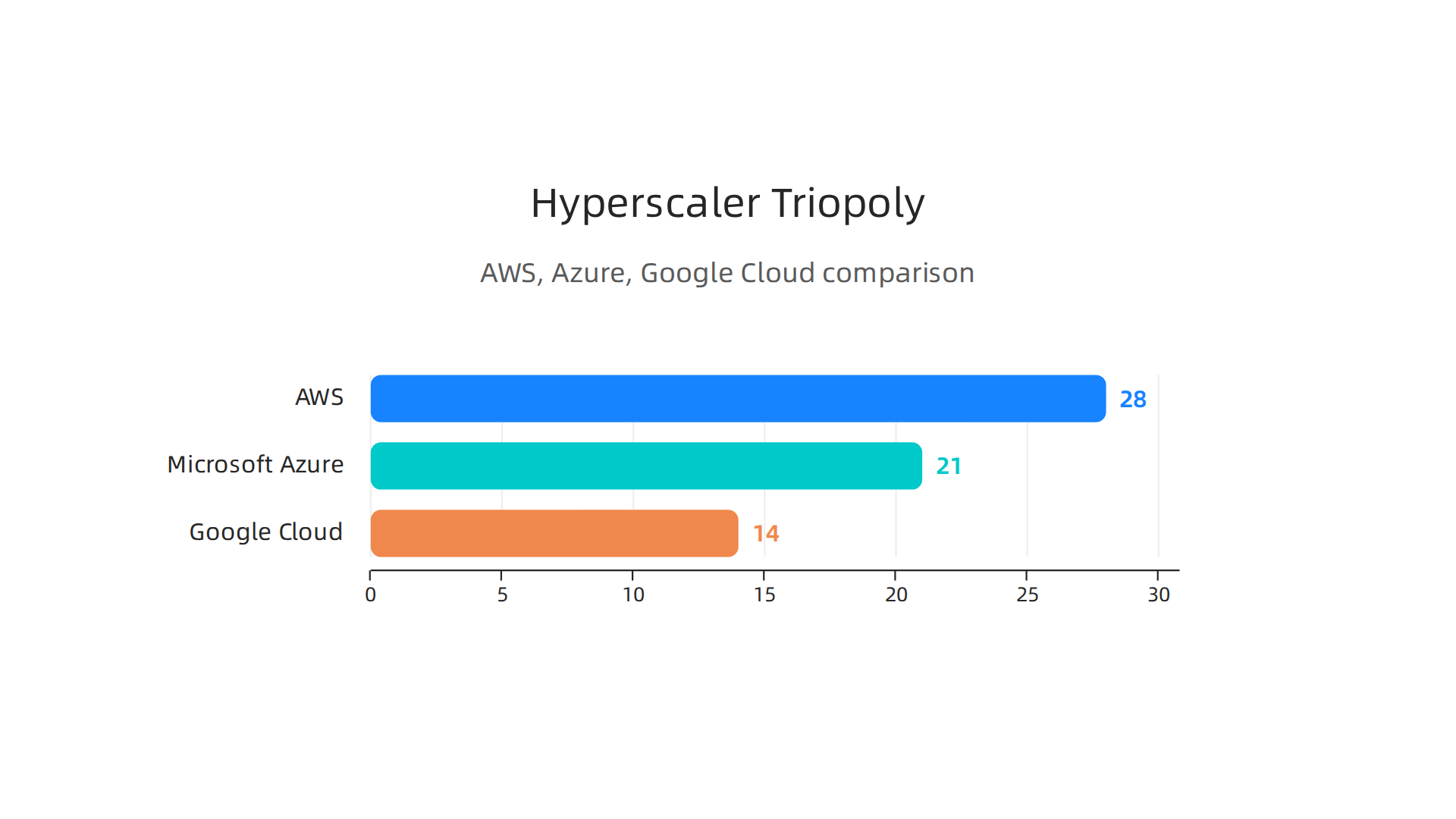
Amazon Web Services (AWS), Microsoft Azure, and Google Cloud together control over 60% of the global cloud market. But each one brings a different strength to the table.
According to the latest data, AWS still holds the largest share at about 28% of the market. It has the widest range of services and the biggest partner network. For startups and large enterprises alike, AWS remains the default choice.
Microsoft Azure comes in second at around 21%. Its superpower is enterprise integration. If your company already uses Microsoft tools like Office 365 or Teams, Azure fits right in. It also has a close partnership with OpenAI, which makes it a go-to for AI workloads.
Google Cloud rounds out the top three with roughly 14% of the market. While its share is smaller, it is the fastest growing. Google Cloud shines in data analytics and AI. Its tools like BigQuery and Vertex AI attract companies that need serious data processing power.
For more on how these players shape the startup ecosystem, check out our overview of AI companies in 2026 and what founders need to know.
The choice between them often comes down to your existing tech stack and your AI ambitions. If you want to stay ahead of these fast-moving trends, get clear daily AI updates from The AI Newsletter Worth Reading.
Market Share and Growth Dynamics
The numbers tell only part of the story. What matters more is how fast each player is moving. In Q1 2026, the global cloud market hit a record $129 billion in spending, growing 35% from the year before. That is the fastest growth since 2021, and AI is the main engine behind it.
According to Statista’s Q1 2026 cloud market analysis, AWS holds 28% of the market, followed by Azure at 21% and Google Cloud at 14%. But the growth rates look different. Azure posted a massive 40% year-over-year revenue jump in late 2025, thanks to its OpenAI partnership and Microsoft 365 migrations. Google Cloud reported a stunning 63% revenue increase in Q1 2026, its highest growth ever, driven by AI workloads like Gemini and Vertex AI.
These gains are not equal everywhere. In Europe and Asia-Pacific, Azure has won many enterprise and government contracts because of its compliance certifications and hybrid cloud options. Google Cloud is gaining ground in media, gaming, and education sectors thanks to its data and AI tools. Meanwhile, edge computing is opening new growth avenues as companies push computation closer to their users. All three hyperscalers are investing heavily in this area.
If you are building a startup on top of one of these platforms, understanding these shifts helps you pick the right partner. For a practical next step, check out our guide on how to evaluate AI platforms for your startup.
Key Capabilities for Digital Transformation
Each hyperscaler brings something different to the table. AWS offers the broadest set of services, which is great for startups that want flexibility and a huge ecosystem of tools. Azure shines in hybrid and enterprise environments with powerful tools like their Azure’s AI-driven digital transformation tools. Google Cloud stands out with its AI and analytics strength, making it a top pick for data-heavy workloads.
But here’s the thing: you do not have to pick just one. Multicloud and interoperability are becoming standard as companies try to avoid getting locked into a single vendor. Being able to move workloads between AWS, Azure, and Google Cloud gives you more leverage and flexibility.
Serverless and container orchestration are core capabilities for any modern digital transformation. They let you run code without worrying about servers and scale automatically based on demand. Adding AI and machine learning platforms on top of that makes it even more powerful.
For a deeper look at how AI fits into this picture, check out our guide on how to use AI for startup success.
And if you want to stay ahead of the curve with daily AI news and analysis, subscribe to The AI Newsletter Worth Reading for clear, curated updates.
Emerging Hyperscaler Alternatives and Niche Players
AWS, Azure, and Google Cloud get all the attention. But here is the truth: they are not always the right fit for every business. A growing number of digital transformation companies are looking beyond the big three. They want platforms that match their specific needs, budget, or location.
Alibaba Cloud, IBM Cloud, and Oracle Cloud are gaining serious ground. Alibaba Cloud is huge in Asia and parts of the Middle East. It offers strong data analytics and AI tools at competitive prices. IBM Cloud focuses on hybrid environments and industries like banking and healthcare. Oracle Cloud is a top pick for companies that already run Oracle databases. These hyperscalers companies are not trying to beat AWS on everything. Instead, they win by being the best choice for certain regions or industries.
Then there are the smaller players. DigitalOcean and Hetzner are great examples. They keep things simple. No complicated pricing. No overwhelming menus of services. They give developers and small businesses a clean console, predictable costs, and solid performance. If you are a startup that just wants to spin up a few servers and get to work, these tech companies make life easy. They are part of a healthy startup ecosystem where you can choose the tool that fits, not the one with the biggest brand.
Sovereign cloud providers are another growing category. In Europe, companies like OVHcloud and IONOS are winning customers who need data to stay inside certain borders. Laws around data residency are getting stricter, especially in the EU. Sovereign clouds let you keep control of where your information lives. That matters for industries like finance, healthcare, and government.
These alternatives prove digital transformation companies have more options than ever. You do not have to pick a giant. You can pick a partner that understands your world.
For a closer look at how smaller players can shake up big markets, check out our guide on disruptive innovation in 2026.
And if you want to understand where cloud strategy is heading, these 2025 predictions on multi-cloud and edge strategies show how the landscape is shifting.
The cool tech today is not just about who has the biggest data center. It is about who gives you the right balance of power, price, and privacy.
Industry‑Specific Digital Transformation: Healthcare, Finance, Manufacturing
Cloud computing and new tech are changing every industry. But not in the same way. The best digital transformation companies know that a hospital, a bank, and a factory have very different needs. Let us look at how each sector is using modern tools to solve real problems.
Healthcare: Saving Lives with Data and AI
Healthcare is one of the most exciting areas for digital change.

Hospitals are moving patient records to the cloud so doctors can access them anywhere. Telehealth lets people see a doctor from their living room. Genomics and AI‑driven diagnostics help find diseases earlier and create personalized treatment plans.
One major shift is the use of connected medical devices. Over 500 million smart devices now monitor patients at home. This cuts hospital readmissions by up to 38 percent. AI tools also handle paperwork, giving nurses and doctors more time with patients. For real‑world examples, check out these digital transformation in healthcare case studies. They show how clinics are using cloud EHR systems, patient portals, and machine learning to improve care.
Finance: Speed, Security, and Compliance
Banks and fintech companies face strict rules. They need to keep customer data safe while making services fast and easy. Digital tools help them spot fraud in real time, automate compliance checks, and offer open banking platforms where third‑party apps can connect securely.
In 2026, many financial firms use a hybrid cloud approach. Sensitive data stays in private clouds or on‑chain with encrypted proofs. Smart contracts handle payments across borders while meeting local laws. This mix of innovation and regulation is a big reason why tech companies that focus on compliance are winning. The trend of building compliant architecture from day one is covered in a detailed overview of tech transforming healthcare, fintech, and supply chains.
Manufacturing: Smart Factories and Digital Twins
Factories are getting smarter thanks to Industry 5.0. That means combining human skills with machines and data. IoT sensors track every part of the production line. Digital twins — virtual copies of real equipment — let engineers test changes without stopping the factory. Edge AI processes data right on the factory floor, so decisions happen instantly.
For example, companies like Chevron use digital twins to predict problems before they happen. P&G uses IoT for touchless production control. These are just a few of the 21 examples of digital transformation case studies that show how manufacturers cut waste, improve quality, and boost efficiency.
Bringing It All Together
Every industry is on its own journey. But the pattern is the same: use the right cool tech to solve specific problems. Whether it is AI in a doctor’s office, compliance software in a bank, or digital twins in a factory, the winners are those who match the tool to the task.
For founders and investors who want to stay ahead, understanding how these sectors are evolving is key. A great way to keep learning is to subscribe to a newsletter that cuts through the noise. Get clear daily AI updates from The AI Newsletter Worth Reading. It covers the breakthroughs that are shaping healthcare, finance, manufacturing, and more.
If you are running a startup in one of these spaces, you might also want to explore how AI companies in 2026 are raising money and building products. That knowledge can help you plan your own digital transformation strategy.
How to Evaluate and Choose Digital Transformation Partners
Now that you have seen how healthcare, finance, and manufacturing are changing, the next step is picking the right partner to help you do it. Not every digital transformation companies partner is the same. Some are great at building software but do not understand your industry. Others know the rules but lack the latest cool tech. So how do you choose wisely?
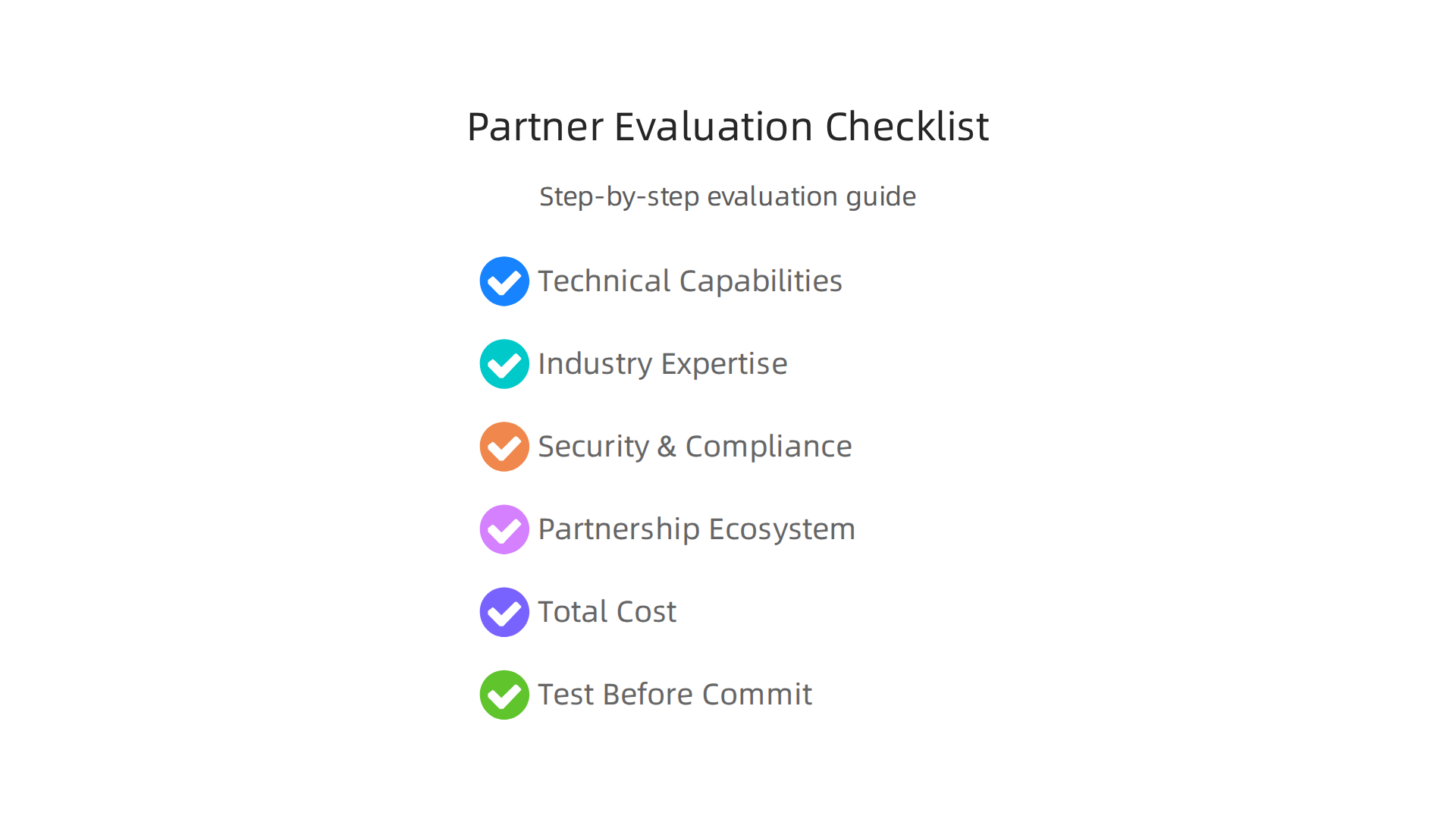
Start with technical capabilities. Look for a partner who works with modern tools like cloud platforms, AI models, and IoT sensors. They should also understand how to connect those tools to your existing systems. Ask if they have experience with the specific hyperscalers companies like AWS, Azure, or Google Cloud. The right partner can move your data safely and build solutions that grow with you.
Industry expertise matters a lot. A partner who has worked in healthcare, for example, should know about HIPAA rules and patient portals. A finance partner should understand open banking and fraud detection. Check if they have delivered projects in your sector before. You can find real cases of digital transformation in healthcare that show what worked in clinics and hospitals.
Security and compliance are non-negotiable. In 2026, every industry faces stricter rules. Your partner must prove they can protect data and meet regulations like GDPR or SOC 2. Ask about their encryption methods and audit trails. If they cannot explain how they keep information safe, that is a red flag.
Look at the partnership ecosystem. The best partners do not build everything alone. They work with other trusted vendors, cloud providers, and compliance experts. A strong ecosystem means you get a complete solution, not just a piece of it.
Total Cost of Ownership (TCO) and exit strategy. Many people forget to ask about long-term costs. What will it cost to run, update, and scale the solution? And what happens if you want to switch partners later? A good partner builds systems that are easy to move or hand over.
Test before you commit. Ask for a proof of concept. See how the partner works with your data and your team. Talk to past customers. Read case studies. If the partner cannot show real results for someone like you, think twice.
For more on evaluating technology vendors, check out this guide on how to evaluate AI platforms for your startup in 2026. It covers similar steps you can use for any digital transformation partner.
The right partner does not just bring tools. They bring trust, experience, and a clear roadmap. Take your time to evaluate. Your whole transformation depends on it.
Future Trends: AI‑Native Infrastructure and Sovereign Clouds
Digital transformation does not stop once you choose a partner. The tech companies leading the next wave are already building for what comes next. In 2026, two big trends are reshaping how businesses think about their cool tech stack: AI-native infrastructure and sovereign clouds.
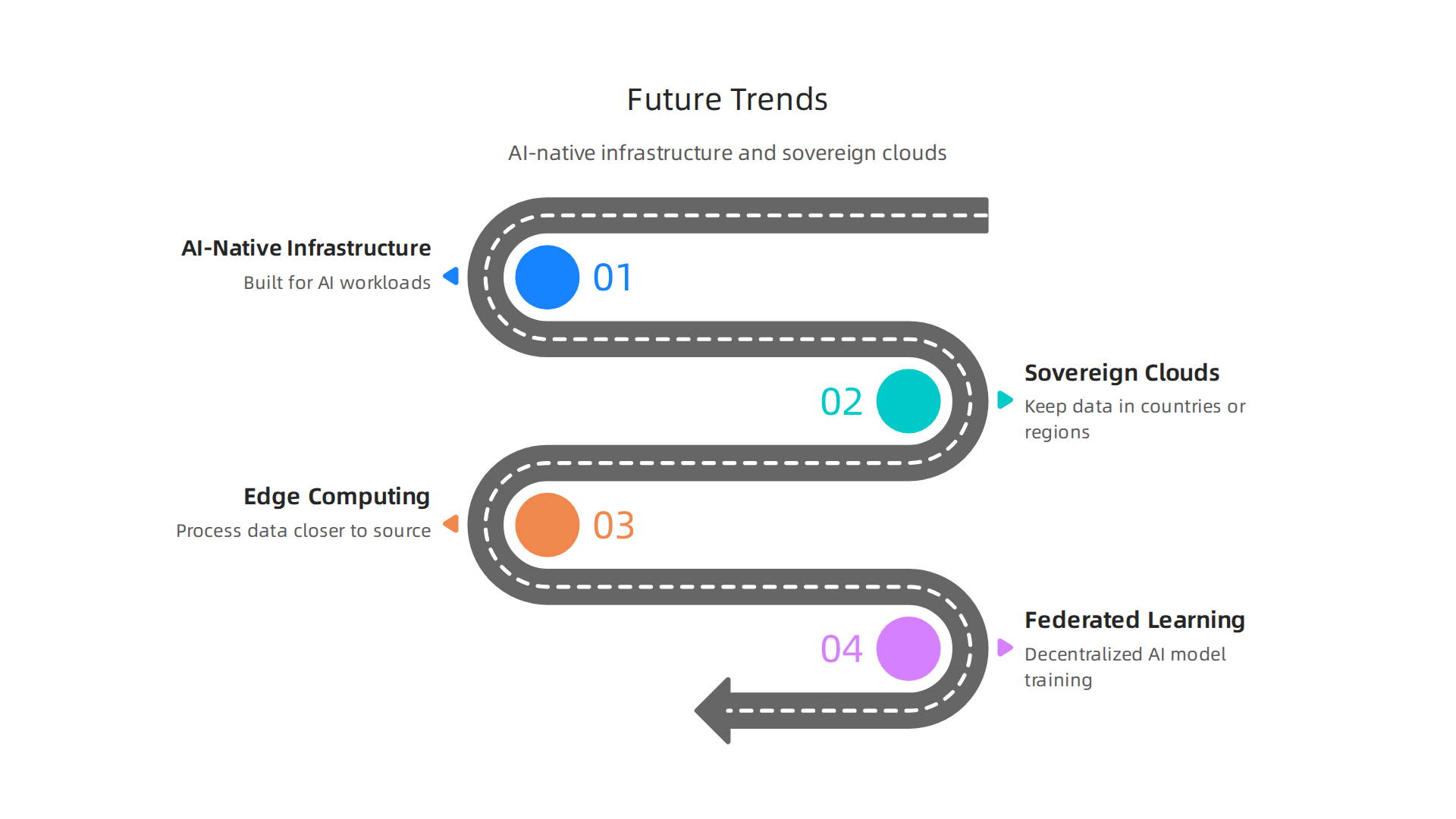
AI-native infrastructure is a different way of building. Instead of adding AI features to old systems, companies design everything from the ground up for AI workloads. That means servers built for GPUs, networks that move data fast, and software that manages AI models automatically. According to the latest AI infrastructure trends report, organizations are moving away from CPU-driven computing toward accelerated computing powered by GPUs and custom silicon. The data center system spending has already hit nearly 600 billion dollars in 2026, and it keeps climbing.
What does this mean for you? If you work with digital transformation companies, ask if they build with AI-native tools. Do they use modern cloud architectures that handle AI from day one? The best partners already do. They treat AI as a runtime, not just a feature. That is the difference between a system that works today and one that works for years.
Sovereign clouds are another big shift. These are cloud environments built to keep data inside specific countries or regions. In regulated industries like healthcare and finance, data sovereignty is now a must-have. Governments want to know their citizens’ data stays local. Sovereign clouds give you that control while still offering the power of the cloud. Forrester’s 2026 cloud predictions highlight private AI on private clouds as a key trend for enterprise leaders.
The startup ecosystem is also changing because of these trends. Edge computing and federated learning are becoming more common. Instead of sending all data to one central cloud, businesses process data closer to where it is created. That cuts latency and keeps sensitive information safer.
So when you evaluate a partner, ask about their future roadmap. Do they support AI-native infrastructure? Can they build with sovereign clouds in mind? The right partner will show you how these trends fit your business.
Want to stay ahead of these shifts? The AI Newsletter Worth Reading delivers daily insights on AI infrastructure and the latest tech companies shaping the market. It helps you make smarter decisions about your digital transformation journey.
Summary
This article maps the 2026 digital transformation landscape for founders, investors, and technology leaders, explaining which companies qualify as true transformation partners and why the market matters now more than ever. It covers the dominance of hyperscalers (AWS, Azure, Google Cloud), the rise of AI-native infrastructure and sovereign cloud specialists, and the growing role of niche providers that serve region- or industry-specific needs. You’ll find comparisons of market share and growth dynamics, sector-focused use cases for healthcare, finance, and manufacturing, and a practical checklist for evaluating partners—technical fit, industry expertise, security/compliance, ecosystem, and TCO. The piece also outlines how multicloud and edge strategies change vendor choice and why measurable client outcomes separate leaders from followers. After reading, you’ll be able to pick better cloud and transformation partners, spot where opportunity exists for startups, and prioritize roadmap questions around AI-native design and data sovereignty.