
AI Labs in 2026 A Guide to Funding Innovation and Growth

Why AI labs matter now – a concise primer for founders, investors and strategists
Imagine a powerful new engine that is changing almost everything around us. That is what Artificial Intelligence, or AI, feels like in 2026. This fast change is thanks to something special happening right now: three big things are coming together. These three things are huge amounts of computer power (compute), endless piles of information (data), and a lot of money (capital). When these three meet, they make modern AI labs super important.
AI labs are like special workshops where smart people build these powerful AI engines. They are at the heart of all the exciting new AI tools we see, from smart assistants to systems that can help doctors. For people who start companies (founders) and those who put money into them (investors), understanding these AI labs is key.

It tells you what new products are coming, how quickly they will reach the market, and where to find the smartest people to work on them.
In 2026, money is pouring into AI like never before. Just in the first part of this year, funding for AI labs has skyrocketed. For example, in the first three months of 2026, venture funding for foundational AI startups doubled compared to all of 2025. This shows how quickly things are moving and how much belief there is in what these AI labs can do Q1 2026 Shatters Venture Funding Records As AI Boom.
Some reports even show that total funding in AI labs reached about $255.9 billion by mid-2026 AI Lab Funding Trends (2026). This massive flow of capital means that AI labs have the resources to push the limits of what’s possible with AI.
So, why does this matter so much? For founders, knowing what the top AI labs are doing helps them plan their own products. It helps them decide what kind of AI is the best AI for research and development. For investors, it helps them see which companies are likely to succeed and grow. It is all about being ready for the next big thing and making smart choices in a world that is changing super fast because of AI.
Want to keep up with the latest AI trends and insights? Get clear daily AI updates when you subscribe to The AI Newsletter Worth Reading.
Overview: The Evolving Landscape of AI Labs in 2026
We’ve talked about why AI labs are so important right now. So, what exactly do we mean by an "AI lab" in 2026, and who are the big players shaping this fast-moving world? Well, an AI lab is more than just a place for smart scientists. It’s any group, big or small, that builds and pushes the boundaries of Artificial Intelligence models and systems.
Today, you can think of these AI labs in a few main ways:
- Frontier Labs: These are the big names focusing on creating very powerful, general-purpose AI. Think of companies like OpenAI, Anthropic, and xAI. They aim to build AI that can do many different tasks, not just one specific thing. Their work sets the stage for many other AI products.
- Corporate AI Divisions: Many large tech companies have their own strong AI labs. Google, Meta, and Microsoft, for example, have teams that develop AI to make their existing products smarter and to explore new ideas.
- Specialized AI Startups: Then there are many smaller, focused AI labs. These startups often work on AI for very specific uses. Some might be building "physical AI" for robots to learn and move in the real world. Others might create special AI tools for businesses, like those that improve how team communication apps, such as Slack, work. These smaller labs are critical for bringing AI into every part of our lives.
The way money moves and how companies work together in AI has also changed a lot. In 2026, most of the big funding is going to a few top AI labs, especially the frontier ones. This means these few labs have a lot of resources to develop cutting-edge AI. You can see how much these companies are raising in reports like the AI Lab Funding Leaderboard 2026.
Also, we’re seeing more partnerships. Big companies are working with smaller AI labs to bring new AI features to their products. This helps everyone, as it speeds up how quickly new AI tools become available.
The focus of AI labs is also expanding. While large language models are still a big deal, we are seeing more interest in areas like:
- Physical AI: As mentioned, this is about teaching robots to interact with the world around them.
- Scientific Discovery: Using AI to help find new medicines or understand complex science faster.
- Enterprise Solutions: Creating AI tools that help businesses run better, from customer service to data analysis. Many founders are always looking for the best AI for research to help their businesses grow.
This evolving landscape of AI labs is well-detailed in big reports, such as The 2026 AI Index Report, which shows how fast everything is growing and changing.

To really understand the different kinds of AI technology being developed, it’s helpful to explore the various AI Platforms: What Founders, Investors, and Product Leaders Must Know available. This shows that AI is not just one thing, but a collection of many different smart tools being built by many different kinds of labs.
To really get a handle on what AI labs do, it helps to look at their different kinds. Each type of AI lab has its own main goals, how it gets money, and what it hopes to create.
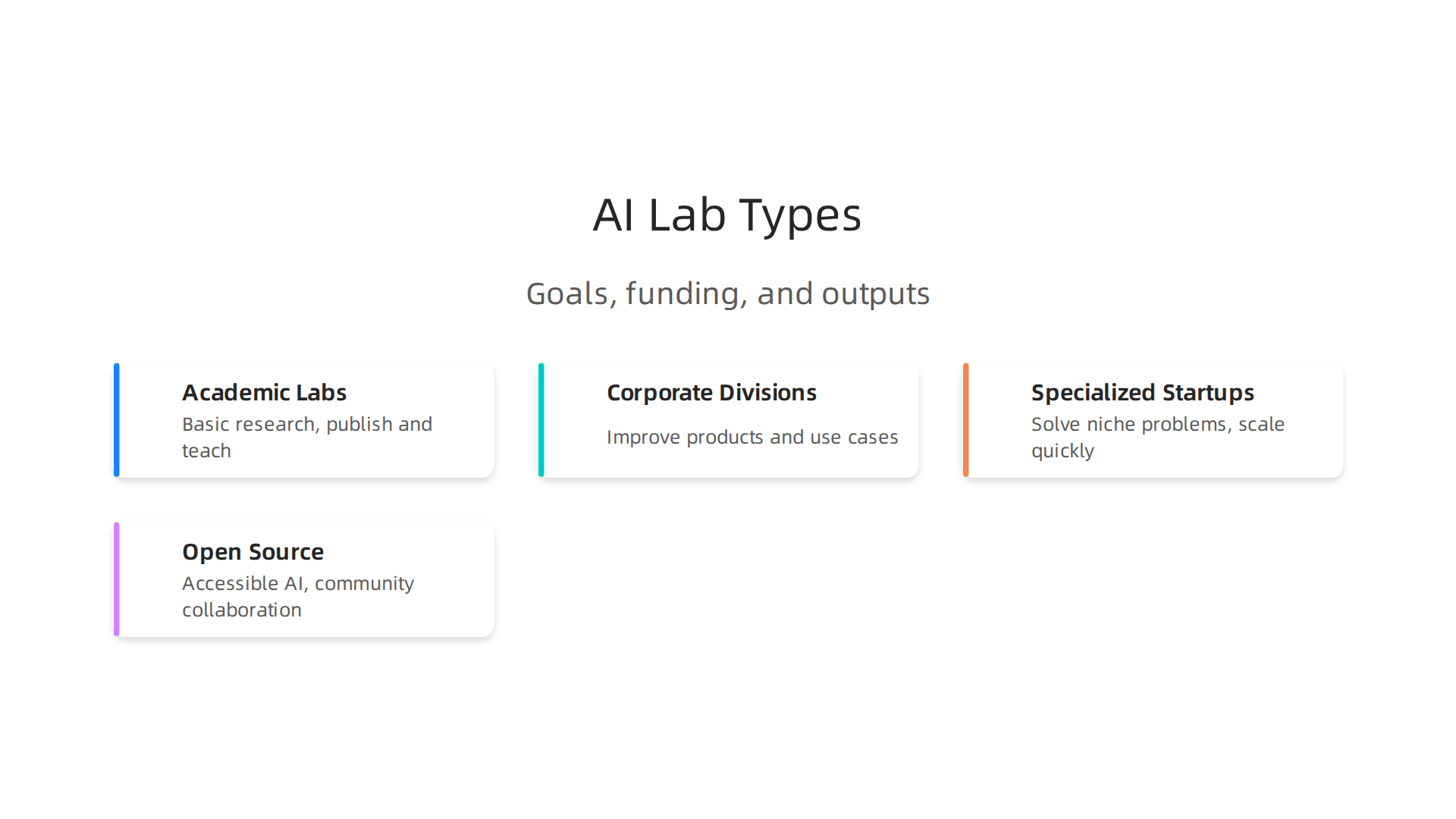
Understanding these differences helps us see how new AI ideas become useful tools for everyone.
Academic AI Labs
These labs are usually found in universities and colleges. Their main goal is to push the boundaries of knowledge. They focus on basic research, which means they explore new ideas and theories about AI without always thinking about making a product right away.
- Goals: Discover new AI methods, improve how AI works, and teach the next group of AI experts. They often share their findings in research papers.
- Funding: They mostly get money from government grants, university budgets, and sometimes donations from big companies.
- Output: Their main outputs are new scientific papers, open-source AI tools that anyone can use, and students who become experts in AI.
- Commercialization and IP: The ideas and tools from academic labs are often open for everyone to use or are licensed to startups that want to build products from them. This helps new tech spread widely.
Corporate AI Divisions
As we talked about before, many big companies have their own special AI labs. These include tech giants like Google and Meta.
- Goals: Their aim is to make their company’s products better, find new ways to use AI for their business, and stay ahead of others. For example, they might develop AI that improves search engines or makes social media more engaging.
- Funding: They get their money directly from the company they belong to.
- Output: They create new features for existing products, internal tools that help the company run smoother, and patents to protect their new AI inventions. Many of these labs focus on making AI models more capable, especially multimodal models that understand text, images, and audio all at once, which is a big trend in 2026 The 2026 AI Landscape: Key Trends, Players, and Opportunities.
- Commercialization and IP: The AI technology and intellectual property (IP) they create are fully owned by the company. This means they decide how and when the tech is used in their products.
Specialized AI Startups
These are smaller, newer companies that focus on a very specific AI problem or area. They often aim to create groundbreaking solutions that can change an industry.
- Goals: To solve a clear problem with AI, create a new market, grow fast, and get more funding from investors. Some might be making
physical AIfor robots, or advanced AI to improve apps likeSlack AIfor better teamwork. - Funding: They raise money from venture capitalists and angel investors who believe in their idea and team. These startups are often looking for the best AI for research to help them quickly develop their ideas.
- Output: They launch new products, offer AI services to other businesses, and build specific AI tools.
- Commercialization and IP: Startups own their own IP and aim to bring their products to market quickly to get customers and grow their business. The drive to apply AI directly to business challenges is strong, and many companies are finding that 2026 is the year where AI capabilities are rapidly increasing and costs are falling Everything You Need to Know.
Open-Source Initiatives
These labs are often groups of people or foundations that work together to build AI tools and make them available for free to everyone.
- Goals: To make AI more accessible, encourage collaboration, and create AI that benefits the public. They believe in sharing knowledge and tools.
- Funding: They might get money from donations, grants, or even sponsorship from bigger companies that use their open-source tools.
- Output: Their main outputs are open-source AI models, software libraries, and code that developers everywhere can use, modify, and build upon.
- Commercialization and IP: The intellectual property is usually released under licenses that allow others to use it freely, even for commercial products, as long as they follow certain rules, like sharing their own improvements. This approach helps the AI field grow quickly because many people can contribute and use the same basic tools. In fact, many industry leaders believe that in 2026, the real competition will be in the AI systems built on top of these models, not just the models themselves The trends that will shape AI and tech in 2026.
These different types of ai labs play key roles in how AI is developed and used. Academic labs lay the groundwork, corporate labs build on it for specific company needs, startups create new markets, and open-source initiatives make AI available to a wider audience. If you want to stay informed on the cutting edge of AI, from research breakthroughs to market applications, there’s a great way to do it.
Get clear daily AI updates from The AI Newsletter Worth Reading.
Corporate ai labs play a special role. They need to find new ideas for AI and also make sure those ideas become real products for their company. It’s like they have two jobs at once: to explore and to build.
These labs balance looking into brand-new AI methods with making sure their work helps the company right away.

For example, they might study very advanced AI models that can do many different tasks, but they always think about how these models can improve their company’s apps or services. This way, they can keep their products fresh and useful. They often look for the best AI for research that can be applied to real-world problems.
Beyond making products, corporate ai labs also serve important company goals:
- Growing Talent: They bring in smart people who are experts in AI. These people learn and grow within the company, making the team stronger.
- Finding New Buys: Sometimes, the research done in these labs leads to a completely new AI idea or a small project that could be very valuable. The company might then decide to buy that idea or the small team behind it, which is known as a merger or acquisition (M&A).
- Staying Ahead: These labs also do "defensive research." This means they work on new AI to make sure other companies don’t get too far ahead. They keep an eye on important trends, like how AI models are being made to work on smaller devices, a key point in Tech trends 2026. It helps them prepare for the future of the market and understand what other AI companies in 2026 are doing.
While corporate ai labs focus on specific company needs, universities and national labs play a different, but equally vital, role in the world of AI. They are like the deep roots of the AI tree, making sure new ideas and new talent keep growing.
These academic ai labs are where much of the basic, groundbreaking research happens. Unlike company labs, they often explore new AI ideas without needing to create a product right away. This freedom allows them to discover truly new ways of thinking about AI, like exploring advanced concepts such as physical AI, which involves AI that interacts with the real world. This is where the foundation for the best AI for research is often laid, leading to open-source tools and methods that everyone can use and build upon.
Universities are also huge training grounds. They educate the next wave of AI experts, from students learning the basics to PhD candidates pushing the boundaries of what AI can do. This flow of smart, skilled people is essential for both new startups and big companies alike. If you’re wondering how important academic backgrounds are for hiring, you can learn more about how computer science ranking shapes startup hiring and investment.
When a university ai lab discovers something amazing, that idea can often move into the business world. This is called "tech transfer." Startups often look to license these new ideas from universities. Licensing means they get permission to use the university’s invention to build new products or services. It’s a key way for cutting-edge academic research to become real-world innovation, helping new companies grow and succeed.
To stay current with breakthroughs from both university and corporate labs, many professionals rely on focused updates.
Get clear daily AI updates from The AI Newsletter Worth Reading.
Funding Landscape: How AI Labs Are Financed and What Investors Look For
Breakthroughs in AI, whether from universities or companies, need money to happen. Finding the right funding is a big part of how AI labs grow and make new things possible. The way these different kinds of AI labs get their money can be quite different.
For university AI labs, funding often comes from public sources. They get grants from governments or big research groups. These grants help them pay for smart people and advanced tools needed to explore new ideas. Because their main goal is to learn and discover, not just make a product, they can use this money for basic research, like trying to figure out the best AI for research methods that everyone can use later.
Corporate AI labs, on the other hand, are funded by the companies they belong to. Think of it like a big company using its own money to build a special team. Their work often focuses on making AI better for their company’s products or services. They have a clear business goal in mind.
Then there are new AI companies, often called startups, that might come from a university lab’s discovery or a fresh idea. These new ai labs need a lot of money to get started and grow quickly. This is where investors come in.

In 2026, the world has seen a huge jump in money going into AI. Many investors are putting their money into these new companies. For example, AI-focused companies drew in a massive amount of global venture funding in the first three months of 2026 alone, with some reports showing it took up about 80% of all venture funding. The total money invested in AI labs saw a big increase, reaching about $255.9 billion by mid-2026 according to one report AI Lab Funding Trends (2026).
So, what do investors look for when they decide to give money to these ai labs or new AI companies? It’s not just about a cool idea. They want to see a few key things:
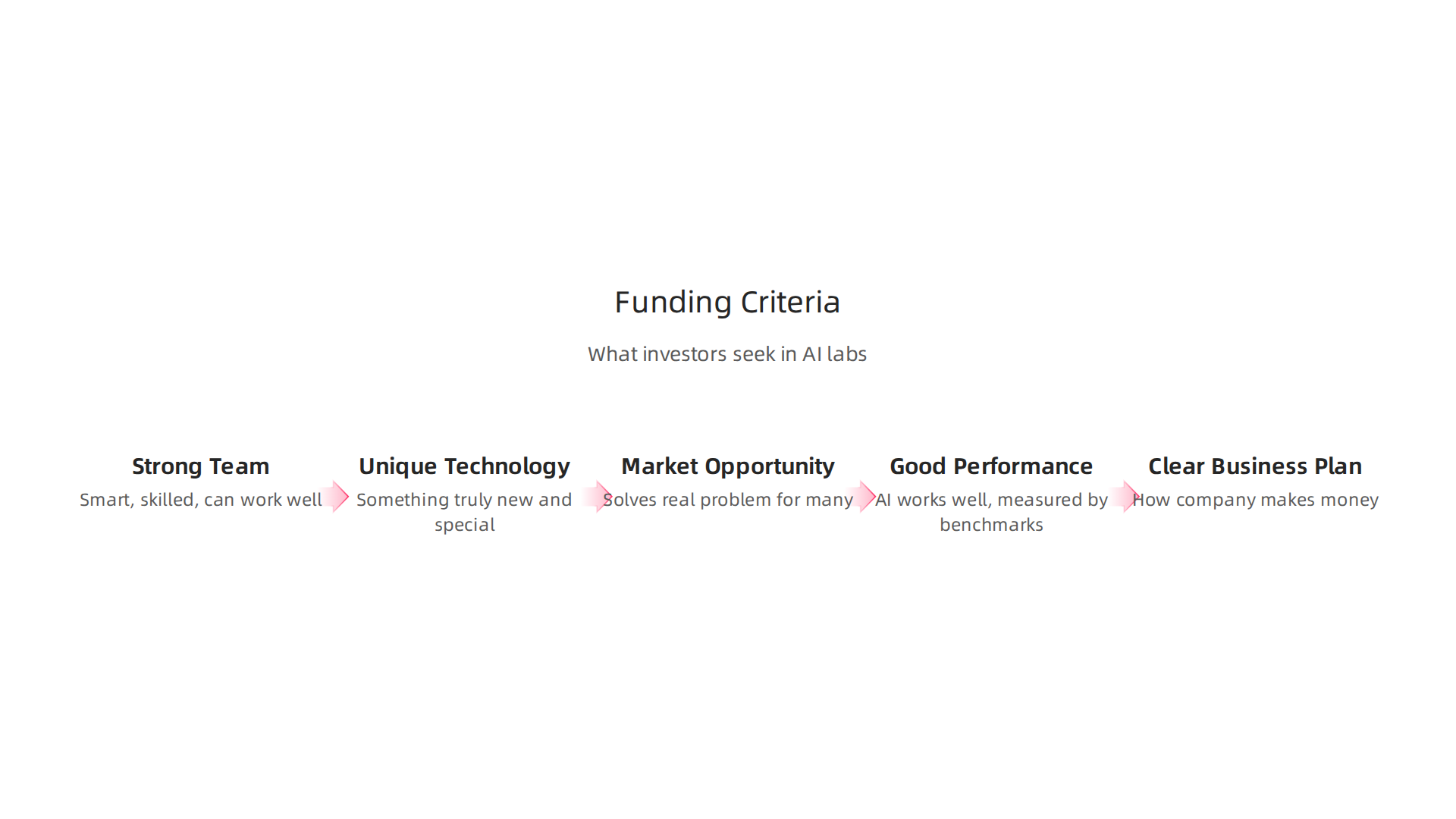
- A Strong Team: Investors want to know that the people running the AI lab are smart, skilled, and can work well together. They look for leaders who know a lot about AI and have a clear plan.
- Unique Technology: Is the AI something truly new? Does it have special features that no one else has? This could be a new way of using AI or a new kind of AI system.
- Market Opportunity: Does the AI solve a real problem for many people or businesses? Is there a big market for what the AI can do? Investors want to see that the company can make a lot of money.
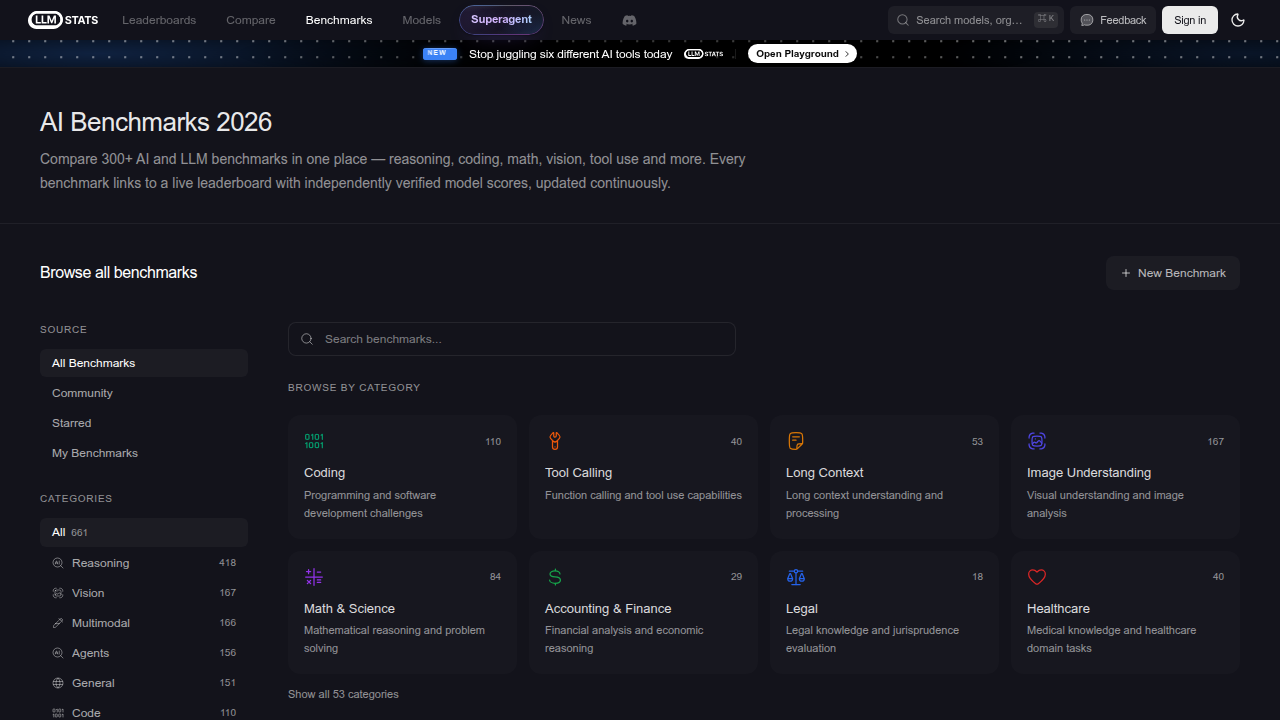
- Good Performance: How well does the AI actually work? Companies often use special tests called benchmarks to show how their AI performs compared to others. These tests measure things like how accurately an AI answers questions or solves problems. You can learn more about how AI systems are evaluated in the AI Benchmarks 2026: Compare 300+ LLM Benchmarks & Tests overview.
- Clear Business Plan: How will the company make money from its AI? Will it sell software, offer services, or something else? A clear plan helps investors see their money growing.
Learning how to find the right people to back your ideas is key. If you’re a founder looking for money, understanding these points is crucial. You can explore how to connect with the right people in our guide on how to find investors for a startup in 2026 step by step guide. Also, knowing the difference between Venture capitalists vs angel investors can help you pick the best funding path.
AI labs don’t just need money to grow; they also need the right tools and setup to actually build and test their smart systems. Think of it like building a house: you need money, but you also need strong materials and good plans. This setup, often called research infrastructure, includes powerful computers, special data, and ways to check if the AI works well.
Powerful Computers (Compute)
At the heart of any modern AI lab is "compute." This simply means having really powerful computers that can handle huge amounts of information and do many calculations very quickly. In 2026, most advanced AI models need graphics processing units (GPUs), which are special computer chips that are great at training AI. Many AI labs, especially newer ones, don’t own all these supercomputers themselves. Instead, they use cloud services from big tech companies that let them rent this computing power. This helps startups save money and get started faster. However, accessing enough compute can still be very expensive. The 2026 AI Index Report shares that the cost of training large AI models keeps going up very fast The 2026 AI Index Report | Stanford HAI.
Labeled Datasets
Next up are labeled datasets. Imagine teaching a child what a cat is. You show them many pictures of cats and say, "This is a cat." Labeled datasets are similar. They are big collections of information, like pictures, words, or sounds, that have been tagged with descriptions. For example, a picture of a cat would be tagged "cat." AI models learn by looking at these huge datasets. The more good, tagged data an AI system has, the better it can learn and understand. Finding or making high-quality datasets is a big job for any AI lab aiming to build the best AI for research. There are many datasets available, with some platforms listing over a hundred datasets for machine learning and AI models Datasets for ML & AI Models.
Benchmarks and Tooling
How do you know if an AI is actually good? That’s where benchmarks come in. Benchmarks are like standardized tests for AI. They help compare how different AI systems perform on specific tasks, such as understanding language, solving math problems, or writing computer code. The Stanford AI Index Report for 2026 gives details on how AI models are improving in various areas, often measured by these benchmarks Technical Performance | The 2026 AI Index Report. These tests are super important for showing that an AI truly works well, not just that it has a cool idea. It also helps other researchers and companies to confirm or "reproduce" the results, meaning they can get the same outcome if they follow the same steps. This trust in results is very important for the whole AI world.
Beyond the big computers and data, AI labs also use many software tools and frameworks. These help developers build, test, and manage their AI models more easily. Without the right tooling, even the most brilliant AI ideas would be hard to bring to life.
For new startups, these needs create both challenges and chances. The cost of compute can be huge, but partnering with cloud providers or other companies can help. Using publicly available datasets and open-source tools can also lower costs. By carefully planning their infrastructure, startups can make sure their AI products are strong and ready for the market. To stay updated on these rapidly changing developments in AI, consider getting clear daily AI updates.
Get clear daily AI updates from The AI Newsletter Worth Reading.
The journey from an idea in an AI lab to a product that real people use is exciting. It’s where cutting-edge research becomes useful tools and services. In 2026, we are seeing many new AI applications come out of these labs and become startups.
From lab to market: application areas and commercialization pathways
Where AI Research Makes a Big Difference
AI labs are creating powerful new technologies that are changing many parts of our lives. One big area is "foundation models," which are large AI systems trained on massive amounts of data. These models are getting much better at understanding text, images, video, and sounds all at once, which experts call "multimodal models" Everything You Need to Know – Next Disruption. This means AI can now understand the world in a way that is closer to how humans do.
These powerful AI tools are finding homes in many places:
- Smart Devices (Edge AI): AI that works right on your phone, smart home devices, or even in factories. This is called "edge AI" and helps things work faster and more privately. "Edge Foundation Models" are becoming very important as AI moves closer to where the action happens Chapter 1: Edge Foundation Models | The 2026 Edge AI …. Edge AI is often linked to "physical AI," which describes smart systems that interact with the real world, like robots or drones. These types of AI are becoming super important.
- Helping Businesses: AI is being used to make customer service smarter, analyze big data for better business choices, and automate tasks. This helps companies work better and grow faster. AI-augmented enterprises are a major trend in 2026 Technology trends 2026: 7 trends shaping the future of IT. To really unlock startup growth with AI powered sales and marketing tools, understanding these applications is key.
- New Products: Imagine smart assistants that can help you with complex tasks, or AI that can help design new medicines. Companies like Slack AI are already using advanced AI to improve how teams communicate and work. Many AI labs are pushing the boundaries to create the best AI for these new kinds of products.
Turning Lab Ideas into Real Businesses
Once an AI lab has a great idea or technology, how does it become a company? There are a few main ways:
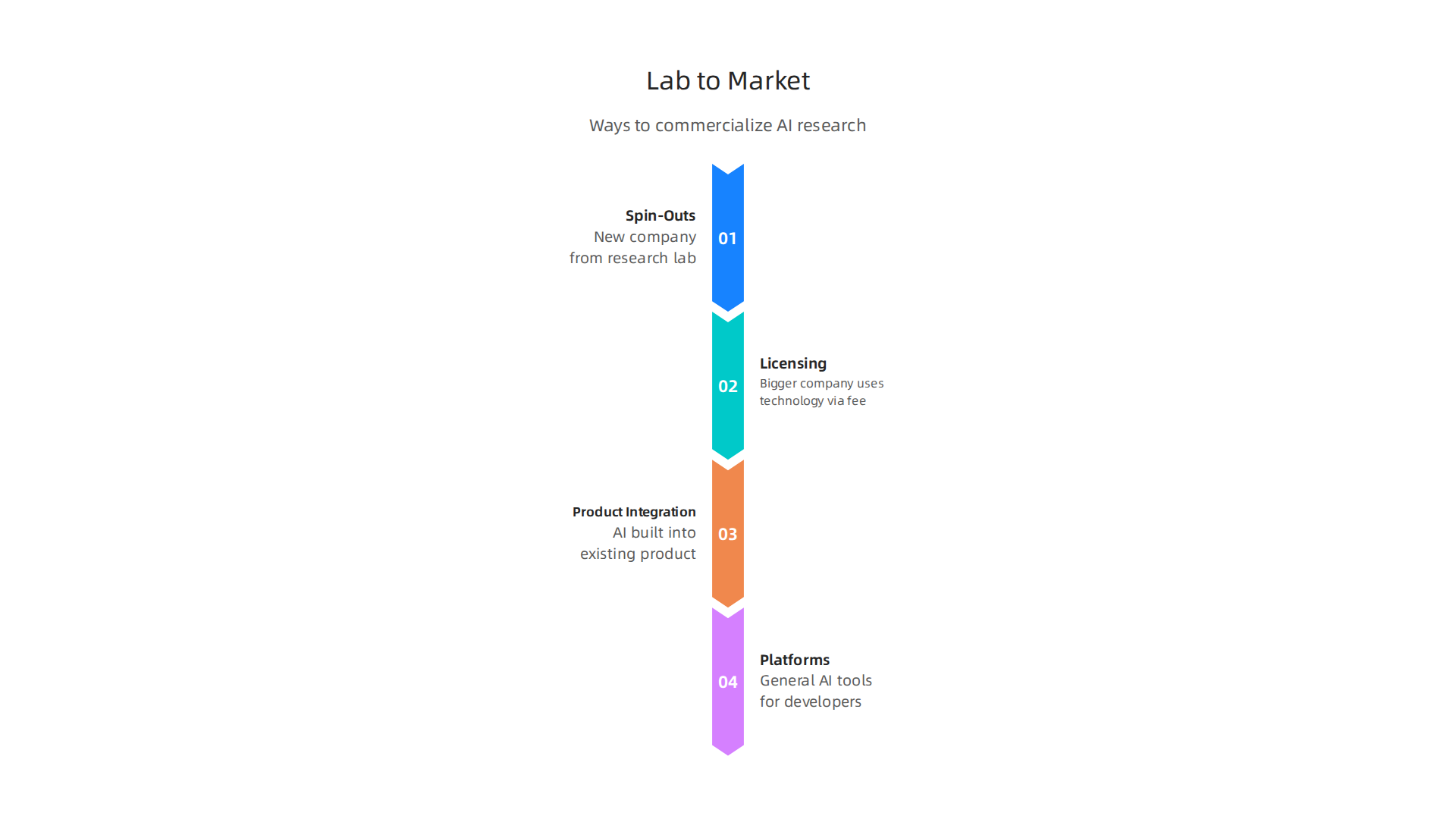
- Spin-Outs: This is when a new company is created directly from the research lab. The researchers often become the founders of this new startup. They take their AI invention and build a whole business around it. This is a common path for academic breakthroughs to become commercial products How to spin your scientific research out of a university and into a ….

It’s like a scientific project growing up to be its own company.
- Licensing: Sometimes, a bigger company might want to use the AI technology developed in a lab. They can pay a fee to "license" the technology, which means they get permission to use it in their own products. The lab earns money, and the technology gets a wider reach.
- Product Integration: Instead of starting a new company, the AI technology might be built directly into an existing product or service. For example, a new AI feature for understanding speech could be added to a popular communication app.
- Platforms: Some AI labs create general AI tools or models that other developers can use to build their own applications. These become "platforms" where many different businesses can create new things. For instance, foundation AI models are seeing rapid growth, fueled by innovations that help companies automate tasks and solve problems Foundation AI Models Market Research Report 2026.
The move from a lab setting to the marketplace needs careful planning. Founders must think about how their research can meet real-world needs and be ready for market demands. To successfully mastering AI and data business strategy for 2026 growth, careful planning is essential. Sometimes, even the best scientific concept needs a strong business plan to truly succeed Some Advice on Spinning Out a DeepTech Startup – LinkedIn. Making this leap can be complex, but programs like "Lab-to-Startup" aim to help bridge this gap and guide scientists toward building successful companies Lab-to-Startup: Bridging the Research-to-Market Gap.
Bringing new AI ideas from the lab to the market is exciting. But as these smart technologies become real products, it’s also very important to think about the rules, safety, and fairness. In 2026, ai labs and startups face a growing set of laws and ethical guidelines they must follow.
Governance, safety and ethics: compliance and risk management for AI labs
Making sure AI is used safely and responsibly is a big job. Governments around the world are creating new rules to guide how AI is built and used. These rules help everyone involved, from the people doing the research to the founders and investors who turn that research into products.
Understanding the New AI Rules
One of the most important sets of rules comes from Europe, called the EU AI Act. This act is a big deal globally, and many of its main parts became enforceable in 2026. It sorts AI systems into different risk levels. For example, AI used in hiring, loan applications, or law enforcement is seen as "high-risk" and has very strict rules AI Governance Becomes a Boardroom Compliance Emergency as Regulators in the UK, EU and US Close In. For some high-risk AI systems, these rules became fully active in July 2026 AI Regulation Roundup July 2026: What Business Leaders …. This means companies need to be extra careful with these types of AI.
The United States and the United Kingdom also have their own ways of setting rules for AI. Instead of one big law, they often focus on specific industries or types of AI How the U.S., EU and U.K. Are Reshaping A.I. Governance. The goal is to make sure AI development is fair and does not cause harm. This includes thinking about important ethical principles for new technology. You can learn more about tech for social good in 2026 ethical AI principles.
Managing Risks for AI Startups
For founders building new AI products and the investors funding them, understanding these rules is key. Here’s how to manage the risks:
- Know Your AI’s Risk Level: Figure out if your AI system falls under "high-risk" rules. For example, if you’re developing
physical AIthat operates robots or drones, it will likely have more safety requirements. - Good Data is Gold: AI learns from data. If the data is biased or poor quality, the AI will be too. Ensuring your data is clean and fair is a crucial step for any
best AI for researchand development. - Be Clear and Open: Be honest about how your AI works, what its limits are, and how it makes decisions.
- Keep Humans in Charge: Even with advanced AI, humans should always have a way to oversee and correct the system. This is very important for safety and fairness.
- Plan for Problems: Think about what could go wrong with your AI and how you would fix it. This is part of understanding why is AI bad: unpacking critical risks. Investors also need to consider these legal risks, like those seen with Stability AI 2026 enterprise growth and legal risks.
By focusing on these areas, ai labs can make sure their exciting new technologies are not only smart and useful but also safe, fair, and compliant with the rules. Staying informed about the fast-changing world of AI is more important than ever.
To keep up with all the latest in AI, get our daily insights delivered to your inbox.
The AI Newsletter Worth Reading
To build these amazing new AI products, ai labs and startups need very smart people. It’s not always easy to find and keep the right talent. Think about how people move between different places: from universities where new ideas are born, to big companies, and then to small, new startups. This flow of talent is super important for turning new research into real-world tools.
Finding the right people for a new AI startup is a special challenge. In the early days, job titles and roles might not even be fully set yet, as teams focus on getting the idea off the ground The Lab to Market Transition: Lessons from Faculty, …. Often, a new company might "spin out" from a university lab. This means that scientists and researchers leave their academic roles to create a business based on their discoveries. It’s like taking the best AI for research work and turning it into a real product. Sometimes, more than one person from the same lab will join forces to start a company How to spin your scientific research out of a university and into a …. Hiring for these new companies needs a special touch, focusing on people who are okay with change and can wear many hats Transitioning from academia to startups: what is it like to work for a startup?.
Smart ai labs also work with others to make things happen faster. These partnerships can take many forms:

- Sponsored Research: A company might pay a university to do specific research that helps both sides.
- Incubators: These are special programs or places that help new startups grow, giving them office space, advice, and connections. You can think of them as helping to bridge the gap from research to market Lab-to-Startup: Bridging the Research-to-Market Gap.
- Shared Labs: Different companies or even universities might share lab space and equipment. This is especially useful for developing things like
physical AI, which might need expensive robots or special testing areas.
Working together in these ways helps new ideas move quickly from a lab bench to a useful product. It helps startups get the help they need to grow, and it helps universities see their research make a real impact in the world. Learning how to move from academia to being an entrepreneur is a big step, but there are many resources and mentors that can help scientists make the leap From Lab Bench to Startup: How Scientists Can Make the Leap. Understanding these different ways of working together is key for any founder or investor in 2026. This kind of teamwork also helps create thriving innovation ecosystems. To learn more about how different elements contribute to a vibrant tech scene, explore what makes a hi-tech city thrive.
Summary
This primer explains why AI labs are central to innovation in 2026 and what founders, investors and strategists need to know to act. It defines different lab types — frontier, corporate, academic, specialized startups and open-source initiatives — and shows how each contributes to research, talent and commercialization. The article surveys the funding surge into AI, the infrastructure needs (high-end compute, labeled datasets and benchmarks), and practical pathways from lab research to spin-outs, licensing or product integration. It also covers governance and regulatory risks, including high-risk rules like the EU AI Act, plus hiring and partnership strategies that accelerate lab-to-market success. After reading, stakeholders will understand where capital flows, what technical and compliance investments matter most, and how to evaluate or launch AI lab-based ventures.