
AI Platforms: What Founders, Investors, and Product Leaders Must Know

Why AI platforms (and Hive AI) matter for founders, investors, and product leaders
In 2026, artificial intelligence is no longer just a futuristic idea. It’s a key part of how companies grow and stand out. For founders, investors, and product leaders, knowing about AI platforms isn’t just helpful; it’s a must.

These platforms are the foundation for creating amazing products and making smart business choices.
Think about it: the market for AI platforms is growing super fast. Experts say that worldwide spending on AI platforms and models will reach $64 billion in 2026, which is a big jump from last year, according to Gartner
Gartner: AI platforms market grows 63% to $64B in 2026. Other reports show the artificial intelligence platforms market size is expected to increase by over $100 billion from 2025 to 2030 Artificial Intelligence Platforms Market Size 2026-2030. This huge growth shows how important these tools are becoming.
Companies like Hive AI are at the forefront of this change, helping businesses use AI to build better products and grow faster. An AI platform is like a special toolkit that helps teams create, manage, and improve AI features. It lets companies use big data to understand their customers better, make decisions, and even automate tasks. This means products can be smarter, more personal, and much more useful to people.
In this article, you will learn why AI platforms are so important for getting ahead. We will look at what makes a good AI platform and how different companies are using them. You will get practical tips, see how these tools work, and understand what investors look for when putting money into AI companies. Whether you are building a new startup, deciding where to invest, or leading a product team, this guide will give you clear ideas you can use right away. If you’re looking to dive deeper into the tools available, you can also explore a comparison of AI platforms 2026 compared for startups and enterprises.
Staying up to date with the fast-moving world of AI is crucial for success.
Get clear daily AI updates from The AI Newsletter Worth Reading.
The world of AI is bigger than just the tools themselves. It’s also about where these tools fit in the bigger picture of how businesses work. In 2026, AI platforms are at the heart of many company operations. They don’t just stand alone; they work with many other parts of the tech stack to make everything run smoothly.
Let’s break down what an AI platform really means and what other important areas it touches:
What AI Platforms Do
An AI platform is a complete toolkit. It helps companies build, manage, and use AI features in their products and services.
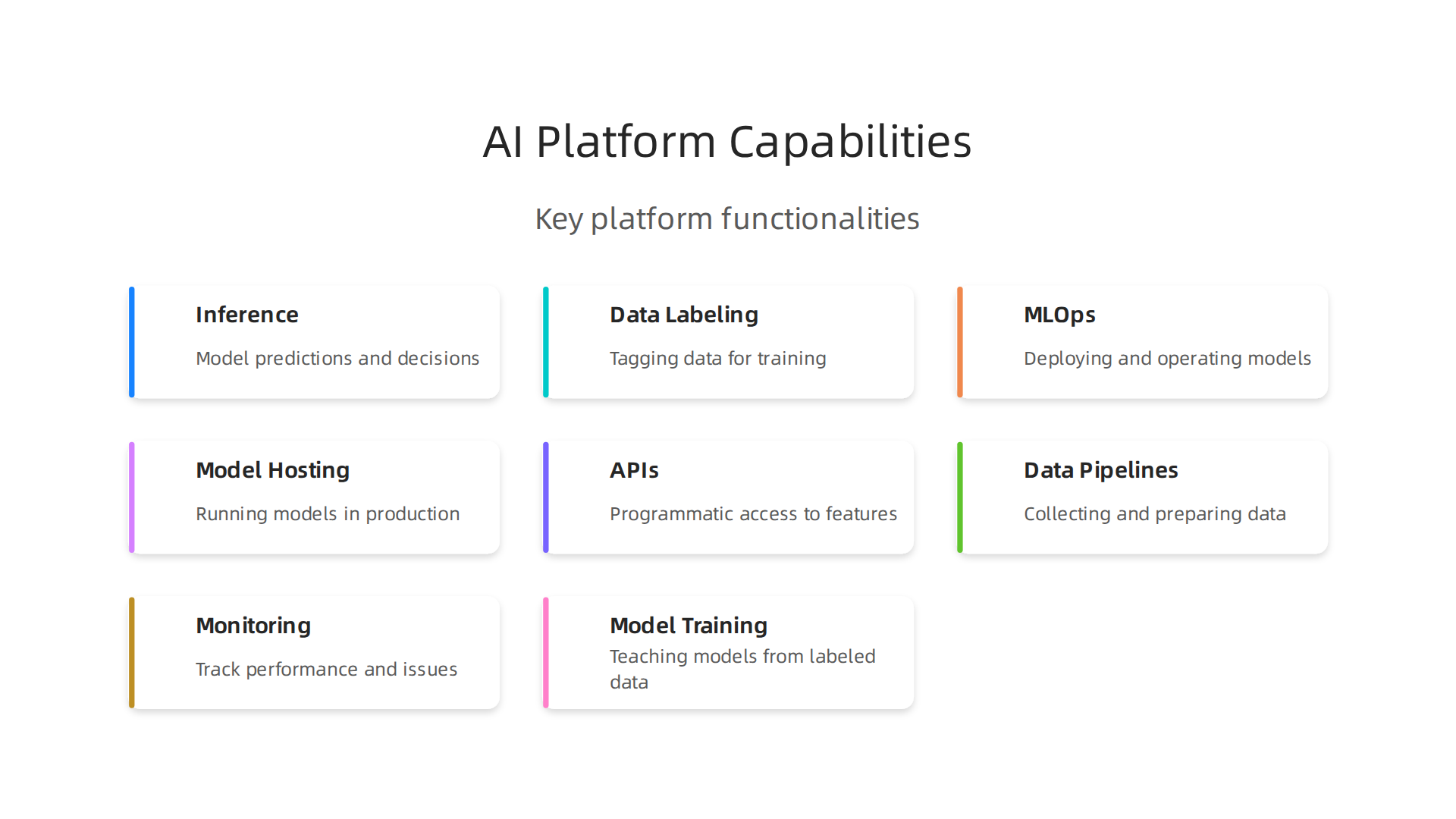
Think of it as a central hub where all things AI happen. This includes:
- Inference: This is when an AI model uses what it has learned to make a prediction or decision. For example, when a streaming service recommends a movie, that’s inference. AI platforms help make this happen quickly and efficiently.
- Data Labeling: Before an AI can learn, it needs good data. Data labeling is like teaching a child. You show it many pictures of cats and say "cat" each time. AI platforms often have tools or connect to services that help tag or "label" this data, making it useful for training AI models.
- MLOps (Machine Learning Operations): This is about running AI models in the real world. It’s like a factory line for AI. MLOps helps teams build, test, and update AI models over and over again, making sure they always work well. Platforms like Domino Data Lab are key players in this space, helping manage the whole lifecycle of machine learning.
- Model Hosting: Once an AI model is trained, it needs a place to live so it can be used. Model hosting is providing the space and power needed to run these models and make them available to applications.
The market for these specialized AI software platforms is growing fast. Experts predict that the market size for AI software platforms will grow from $30.44 billion in 2026 to around $98.26 billion by 2035, showing a strong increase over time

Artificial Intelligence Software Platform Market Size to Hit …. This growth is driven by several big changes happening in technology.
Big Reasons Why Companies Use AI Platforms
More and more companies are adopting AI platforms because of important trends:
- Lower Costs for Computing: It used to be very expensive to run complex AI. Now, cloud services and better computer chips make it much cheaper. This means even smaller companies can afford to use powerful AI.
- Specialized AI Models: AI is getting better at specific tasks. Instead of one big AI trying to do everything, we now have models that are really good at, say, writing emails or finding patterns in medical images. AI platforms help manage these different specialized models.
- AI for Specific Industries: AI is becoming more tailored for different types of businesses. For example, AI platforms designed for healthcare understand medical terms, while platforms for finance know about money rules. This is called verticalization, and it makes AI even more useful for niche markets. Many companies are looking at how to best use AI and data to improve their business, a topic explored further in Mastering AI and Data Business Strategy for 2026 Growth.
Who Is Buying AI Platforms?
Many different kinds of people and companies are using AI platforms:
- Startups: New companies often use AI platforms to build innovative products quickly. They look for flexible, easy-to-use tools. Some might even use open source AI solutions to save costs and gain more control. Hive AI is one example of a platform helping startups in this area.
- Big Companies: Large businesses use these platforms to improve their existing products, automate tasks, and get deeper insights from their customer data. They might use a customer data platform combined with AI to understand their users better than ever before.
- Data Scientists and Engineers: These are the people who actually build and work with AI models.

They need platforms that give them the right tools to create, test, and deploy their work.
- Product Leaders: For product managers, AI platforms help them bring new, smart features to market faster, making their products more competitive and appealing to users.
Understanding these different buyers helps AI platform makers and investors know where to focus their efforts. If you’re a startup founder, it’s crucial to know how to pick the right tools, and you can learn more about How to Evaluate AI Platforms for Your Startup in 2026.
Now, let’s look closer at specific AI platforms, like those often referred to as Hive AI, to understand what they offer.
What is Hive AI? Core features, positioning, and product scope
When we talk about a "Hive AI" platform, we’re usually talking about a system built to handle many different AI tasks. It’s like a central station for AI, providing tools that let companies use smart features easily. These platforms are made to help businesses quickly add AI to their products and services.
Here are the main things you’d find in a typical Hive AI platform:
- APIs (Application Programming Interfaces): These are like special plugs that let different software talk to each other. Hive AI platforms often provide many APIs. Some are "self-serve" for quick use, while others are for bigger business projects that need more power and special help
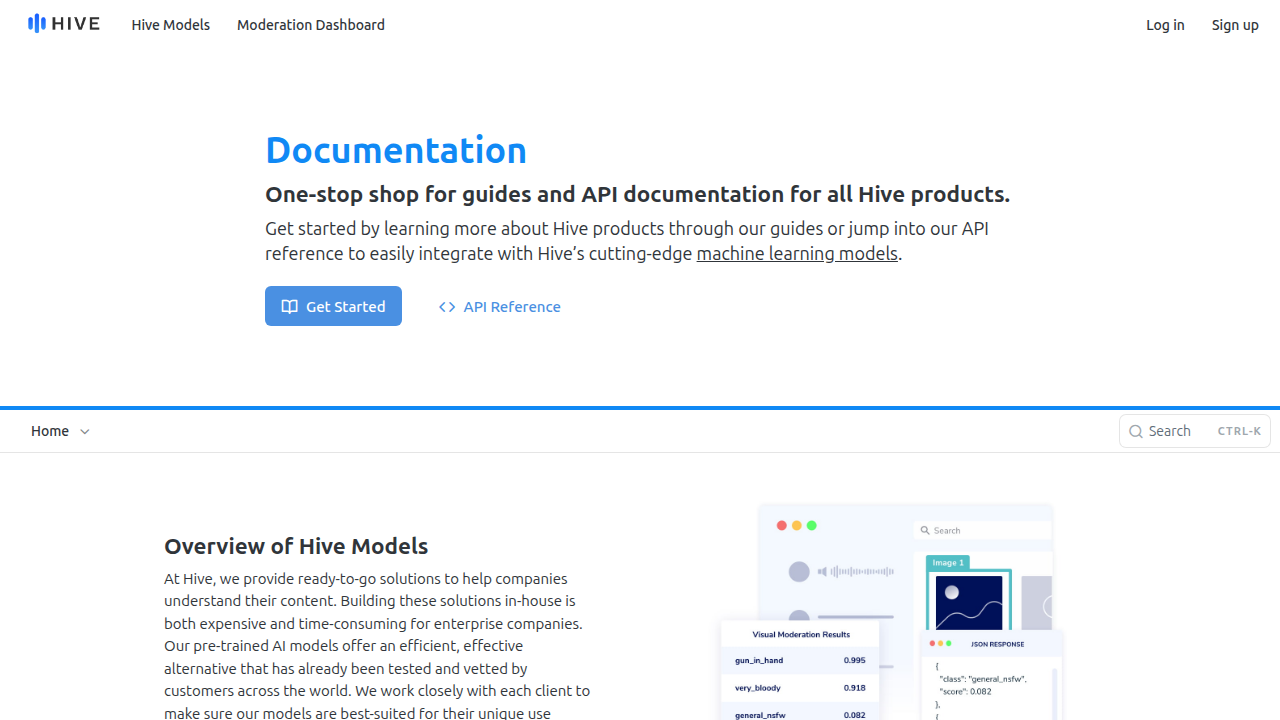
Frequently Asked Questions (FAQ) – Documentation | Hive. For example, a Hive platform might offer over 20 APIs for tasks like understanding text, searching for information, or creating new content Documentation | Hive. They also often include SDKs (Software Development Kits) which are toolkits that make it easier for developers to integrate these APIs into their apps, covering things like user login, payments, and data analysis SDK overview – Hive Developers.
- Data Pipelines and Labeling: For AI to work well, it needs good data. These platforms help move data around and get it ready for AI models. While not always a direct feature, many Hive AI solutions will connect with other tools for data preparation, making sure the AI gets the clean, labeled information it needs to learn.
- Model Hosting: After an AI model is trained, it needs a place to run so it can make predictions or decisions. Hive AI platforms provide this space, often called "model hosting," which ensures the AI is always available when needed. This helps with tasks like AI content detection, where the Hive AI API is known for its accuracy Best AI Content Detection APIs in 2026: Top 10 Tools.
- Analytics: Many Hive AI platforms also include tools to look at how the AI is performing. This helps companies understand if their AI is working as planned and if it’s bringing the right results.
How Hive AI Platforms Present Themselves
How a Hive AI platform talks about itself is called "positioning." It’s how they explain what makes them special. In 2026, companies using AI platforms like Hive AI often try different ways to stand out:
- Developer-First APIs: Some Hive AI platforms focus on making it super easy for developers to use their tools. They offer clear instructions and easy-to-use SDKs to help coders build new AI features quickly. This approach is all about giving developers the power and flexibility they need.
- Enterprise MLOps: For larger companies, positioning might focus on how the platform handles complex AI operations. This includes making sure AI models are built, tested, and updated smoothly and reliably. While a platform like Domino Data Lab is a major player in general MLOps, a Hive AI could offer a specialized MLOps solution.
- Vertical Integrations: This means the Hive AI platform is designed for a specific industry, like healthcare or finance. It knows the special rules and needs of that area, making AI much more useful for those businesses. Some companies even position their products as "AI for" a certain task or group of users, or as helpful "AI agents" that do work for you The AI positioning problem.
Good positioning is key. It helps customers understand why they should choose one AI platform over another. It’s about showing the real value and how the platform solves specific problems for its users. You can learn more about how companies explain their AI solutions in guides like What is Product Positioning? Guide & Strategies.
What Investors and Partners Look For
When investors and partners look at a Hive AI company, they are checking a few important things:
- Clear Value: They want to see what specific problems the platform solves and how it makes a big difference for customers. Does it save money, make things faster, or help understand customers better?
- Differentiation: How is this Hive AI platform truly different from others? What makes it special and hard for competitors to copy? This could be unique technology, a focus on a niche market, or an easier user experience.
- Scalability and Control: Investors often like platforms that can grow a lot and become a big part of the AI ecosystem. This might involve developing unique AI models or bringing many different services together under one roof, making the platform essential for many users Top Companies in AI Platform Market.
Understanding these points helps everyone see the real power and future of a Hive AI platform. If you’re looking to stay ahead of the curve in the fast-moving AI world, consider subscribing to a dedicated newsletter.
Get clear daily AI updates from The AI Newsletter Worth Reading.
For a hive ai platform to truly shine and offer all those smart features, it needs a strong technical foundation. This involves many moving parts that work together smoothly, much like a well-oiled machine. It’s about how the system takes in information, learns from it, and then provides helpful answers or actions.
Technical Parts of a Modern AI Platform
Let’s break down the main technical pieces you would find in a modern hive ai setup:
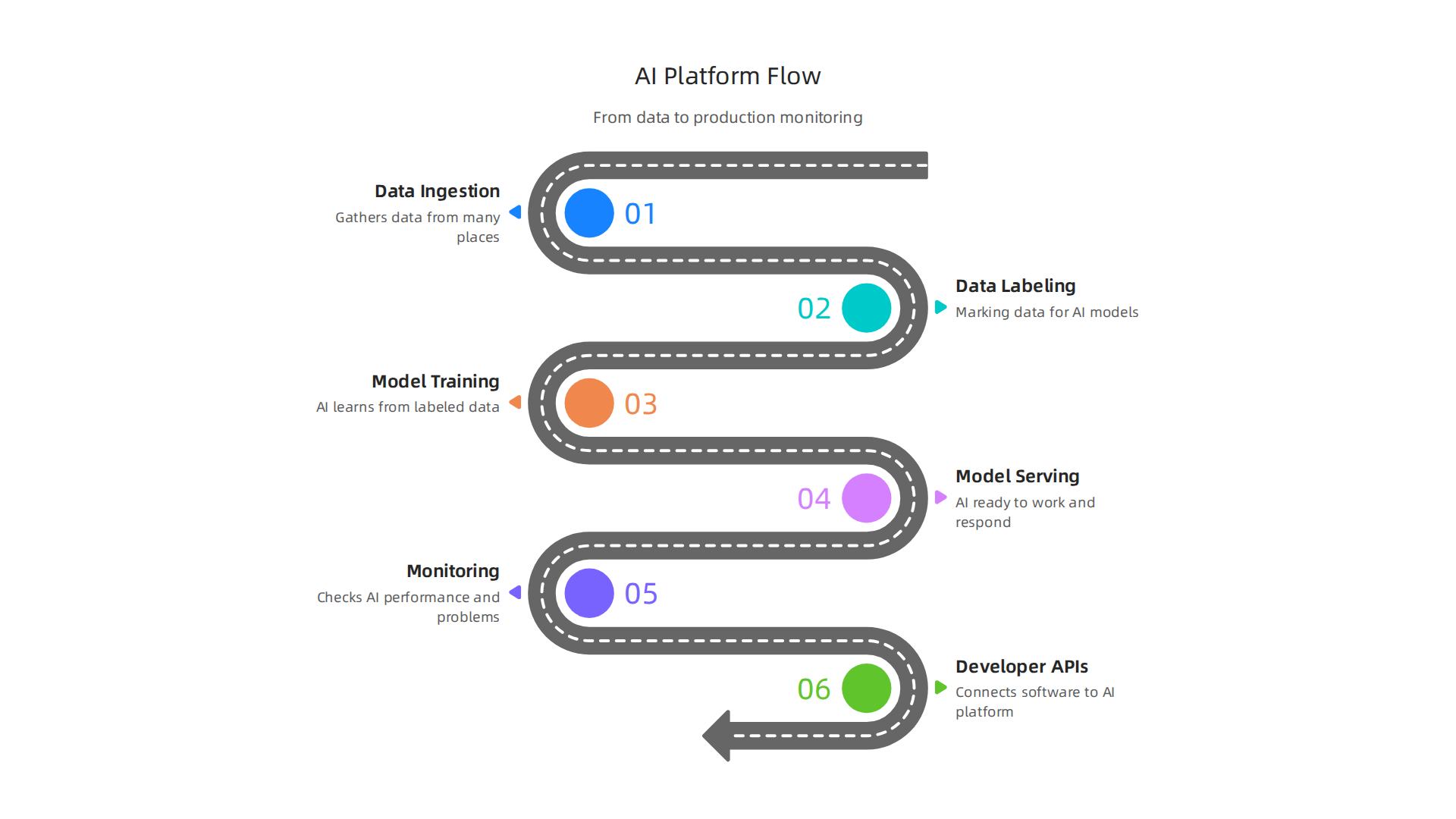
- Data Ingestion: This is how all the information gets into the AI system. Think of it like a funnel that gathers data from many different places. It’s the first step to making sure the AI has enough information to learn.
- Data Labeling: AI models learn from examples. Data labeling is the process of marking or tagging this data so the AI knows what it’s looking at. For instance, if you’re teaching an AI to spot cats, you’d label many pictures of cats as "cat." This step is very important for the AI to understand things correctly.
- Model Training: This is where the AI actually learns. The platform uses the labeled data to teach the AI model to find patterns and make predictions. It’s a complex process that often needs a lot of computing power.
- Model Serving: Once the AI model has learned, it needs to be ready to work. Model serving means making the AI available so other apps or users can send it questions and get answers in real-time. It’s about getting the AI out into the real world.
- Monitoring: Just like any important system, AI needs to be watched closely. Monitoring checks how well the AI is doing, if it’s making good predictions, and if there are any problems. This is key for ensuring the AI remains fair and accurate over time. In 2026, proper AI risk management and model governance are crucial for any enterprise AI model, ensuring it’s built and watched in a controlled way AI Risk Management & Model Governance: The 2026 ….
- Developer APIs: These are the tools that let other developers and businesses connect their own software to the
hive aiplatform. They make it easy to use the AI’s smart features without having to build everything from scratch. This allows for flexible and wide use of the AI’s capabilities.
Smart Data Strategy for AI
Having a good technical setup is not enough. A clever data strategy is also vital for any hive ai platform.
- Data Sourcing: This means knowing where your data comes from. Is it internal company data, or is it collected from public sources? Getting high-quality, relevant data is the starting point.
- Data Governance: This sets the rules for how data is handled, stored, and used. It’s about making sure data is safe, private, and used in a responsible way. For example, in 2026, a strong AI governance framework for financial services covers everything from data to monitoring and third-party risk AI Governance Framework for Financial Services in 2026 – Cybic.
- Labeling Pipelines: These are automated systems that help prepare data quickly and correctly for AI training. Building a modern data pipeline is essential for startup success, ensuring data flows efficiently. You can learn more about how to build your modern data pipeline for startup success.
- Feedback Loops: AI models are not just trained once and forgotten. Feedback loops help the AI learn from its own actions and improve over time. When an AI makes a prediction, feedback can tell it if it was right or wrong, helping it get better. This is how a
customer data platformcan continuously improve its understanding of user behavior.
How AI Platforms Connect
Finally, how these platforms connect with other systems is also very important. This is called integration.
- SaaS APIs: Many
hive aiplatforms offer their services through cloud-based APIs, making them easy to use from anywhere. This is a popular choice for quick setup and less worry about managing software. - On-Prem Connectors: Some businesses prefer to keep their data and AI tools on their own servers for more control. On-prem connectors allow the
hive aiplatform to work with a company’s existing systems, offering a tailored approach. Companies likedomino data laboften provide robust solutions for these kinds of setups. - Hybrid Deployments: Often, companies use a mix of both cloud-based and on-premise solutions. This hybrid approach offers flexibility, letting businesses choose what works best for different parts of their operations.
- Trade-offs: Each way of connecting has its pros and cons. SaaS APIs are easy and fast but offer less control. On-prem solutions offer more control but can be harder to set up and maintain. Understanding these trade-offs helps businesses pick the right way to use
hive ai. Usingopen source aitools, for instance, can provide a high level of control and customization. When choosing an AI platform, it’s helpful to know how to evaluate AI platforms for your startup in 2026.
Beyond how AI platforms connect, what truly makes one hive ai stand out from another often comes down to its product design and how easy it is for developers to use. This is called product and user experience (UX) differentiation. A great AI platform is not just smart; it’s also simple and powerful for those who build with it.
Product and UX differentiation: APIs, SDKs, and developer experience
Think about what makes a developer choose one AI tool over another. It’s often about how quickly and easily they can get their own ideas working. A strong hive ai platform makes sure developers have everything they need right from the start.
- SDKs, Clear Docs, and Sample Apps: Software Development Kits, or SDKs, are like toolkits that help developers connect their apps to the
hive aiplatform. They come with pre-written code that saves a lot of time and effort. Good platforms also offer very clear guides and instructions, known as documentation, so developers know exactly how everything works. Many companies also provide sample apps. These are small, working examples that show how to use the AI, making it super easy to learn by doing. In 2026, the best API documentation platforms also help generate SDKs automatically, which is a big plus for developers trying to work with different typed client libraries, ensuring documentation matches the SDKs they use Best API Docs & SDK Generation Tools in 2026. Somehive aiplatforms, like Hive, offer many different APIs for things like understanding, searching, and creating content Documentation | Hive. - Low-Friction Onboarding: Getting started with a new tool can be tricky. A good
hive aiplatform makes this process smooth and easy. This "low-friction onboarding" means less hassle for developers. They can sign up, understand the basics, and start building quickly. It’s about removing roadblocks so they can focus on their own projects. - Advanced Features for Uniqueness: To really stand out, a
hive aiplatform needs special features that others don’t have or don’t do as well.- Model Customization: This lets businesses make the AI models fit their specific needs perfectly. It’s like tailoring a suit instead of buying one off the rack.
- Fine-tuning Pipelines: This means guiding the AI to learn more effectively from specific data, making it smarter and more accurate for certain tasks.
- Analytics and Observability: These tools help users see how the AI is performing, understand its decisions, and spot any issues. For example, some SDKs are built on OpenTelemetry for full tracking and checking how well the AI works SDK Overview – HoneyHive AI Docs. This is key for keeping the
customer data platformrunning smoothly.
These unique features create "defensibility," meaning it’s hard for other companies to copy what you offer. Knowing how to highlight these differences is crucial for any AI product trying to succeed How AI Products Can Nail Their Positioning?.
- Vertical Tools and Pre-Built Integrations: Many businesses need AI for specific tasks in their industry, like health care or finance. "Vertical tools" are made just for these specific uses. Also, "pre-built integrations" mean the
hive aiplatform can easily connect with other popular software that businesses already use. This helps customers get value from the AI faster, without having to build many custom connections themselves. Tools that help with building an effectiveAI business strategyare critical in 2026.
Ready to dive deeper into the world of AI and how it’s shaping businesses and investments?
The AI Newsletter Worth Reading
Beyond how AI platforms connect, what truly makes one hive ai stand out from another often comes down to its product design and how easy it is for developers to use. This is called product and user experience (UX) differentiation. A great AI platform is not just smart; it’s also simple and powerful for those who build with it.
Now that we’ve looked at how AI platforms are built and designed, let’s talk about the business side of things. Even the best hive ai platform needs a smart plan to make money and reach customers. This means figuring out how to price it, how to sell it, and who to work with. The whole AI platform market is growing fast, expected to reach around $64 billion in 2026, according to Gartner Global AI platforms and models market to grow 63% to $64 billion in 2026: Gartner.
Business Models and GTM: Pricing, Channels, and Partnership Strategies
Choosing the right business model and way to sell your product, also known as "go-to-market" (GTM) strategy, is super important for any hive ai platform. It helps the platform find its place in the market and make enough money to keep growing.
How AI Platforms Are Priced
There are a few main ways AI platforms charge for their services:
- Pay-as-You-Go (Consumption-Based): This is like paying for electricity. You only pay for how much AI you use. For example, you might pay per AI model run, per task completed, or per amount of data processed. This can be great for smaller companies or those just starting out, as they don’t have to pay a lot upfront.
- Subscription Tiers: Many AI platforms offer different plans, or tiers, with various features and usage limits. A basic plan might be free or low cost with fewer tools, while a premium plan offers everything for a higher monthly fee. This is a common way to attract different kinds of users.
- Big Company Deals (Enterprise Contracts): For very large businesses, platforms often make special, custom agreements. These "enterprise contracts" usually involve bigger commitments and more tailored support and features.
- Mixed Pricing (Hybrid Approaches): Some platforms use a mix of these. Maybe a base subscription, plus extra charges for very high usage or special features.
Understanding these options is key for setting a good mastering AI and data business strategy for 2026 growth.
How AI Platforms Reach Customers (Go-to-Market Channels)
Once a hive ai platform knows how it will charge, it needs to decide how it will get its product to customers.
- Direct Sales: This is when the company has its own sales team that talks directly to potential customers. It works well for selling to big businesses or for very complex products.
- Developer-Led Growth: Sometimes, developers find a great tool and start using it for their own projects. If they like it, they tell their friends and coworkers, and soon, many people at a company are using it. This "developer-led growth" can be very powerful for
hive aiplatforms because developers are the ones building with AI. - Working with Other Companies (Partnerships): This is a smart way to reach many more people.
- Cloud Providers: Partnering with big cloud companies like Amazon Web Services (AWS), Google Cloud, or Microsoft Azure means the AI platform can be offered right through their marketplaces. This makes it easy for businesses already using those cloud services to add AI tools.
- Industry Software Companies (Vertical ISVs): Imagine an AI platform that helps hospitals. It could partner with a company that already makes software for hospitals, making it easier for them to use the AI.
Smart Collaborations: Partnerships and Integrations
Working closely with other companies through partnerships and integrations can really speed up how quickly businesses start using a hive ai platform.

- Faster Adoption: When an AI platform already works smoothly with other tools that businesses use, it’s much easier for them to start using the AI without a lot of extra work. This can be true for a customer data platform that needs to feed data to an AI, for example.
- Broader Reach: Partnerships help AI platforms reach new kinds of customers or whole new industries. For instance, a
hive aiplatform could partner with a company like Domino Data Lab, which helps data scientists work together on machine learning projects. - Open Source AI: Some platforms might even embrace
open source aimodels, building services on top of them or offering tools to manage them. This can create a large community of users and partners.
Such collaborations are vital in 2026 for growing quickly and keeping up with the fast pace of the AI market. This helps companies assess how to evaluate AI platforms for your startup in 2026 and make the best choices for their needs.
Now that we’ve looked at how AI platforms are built, designed, and sold, let’s switch gears to what truly matters for their future: how well they are doing and what makes them a smart bet for money. For both founders and those looking to invest, knowing what to watch for in a hive ai startup is super important in 2026. This means understanding the key numbers and asking the right questions.
Signals Investors and Founders Should Watch in AI Platform Startups
When thinking about investing in an AI platform startup, or building one that will attract investors, there are specific signs that show real strength and future potential. It’s not just about cool tech; it’s about solid business health and lasting value.
Key Numbers That Show Momentum (Technical and Commercial KPIs)
Investors love to see clear numbers, or Key Performance Indicators (KPIs), that prove an AI platform is growing and doing well.
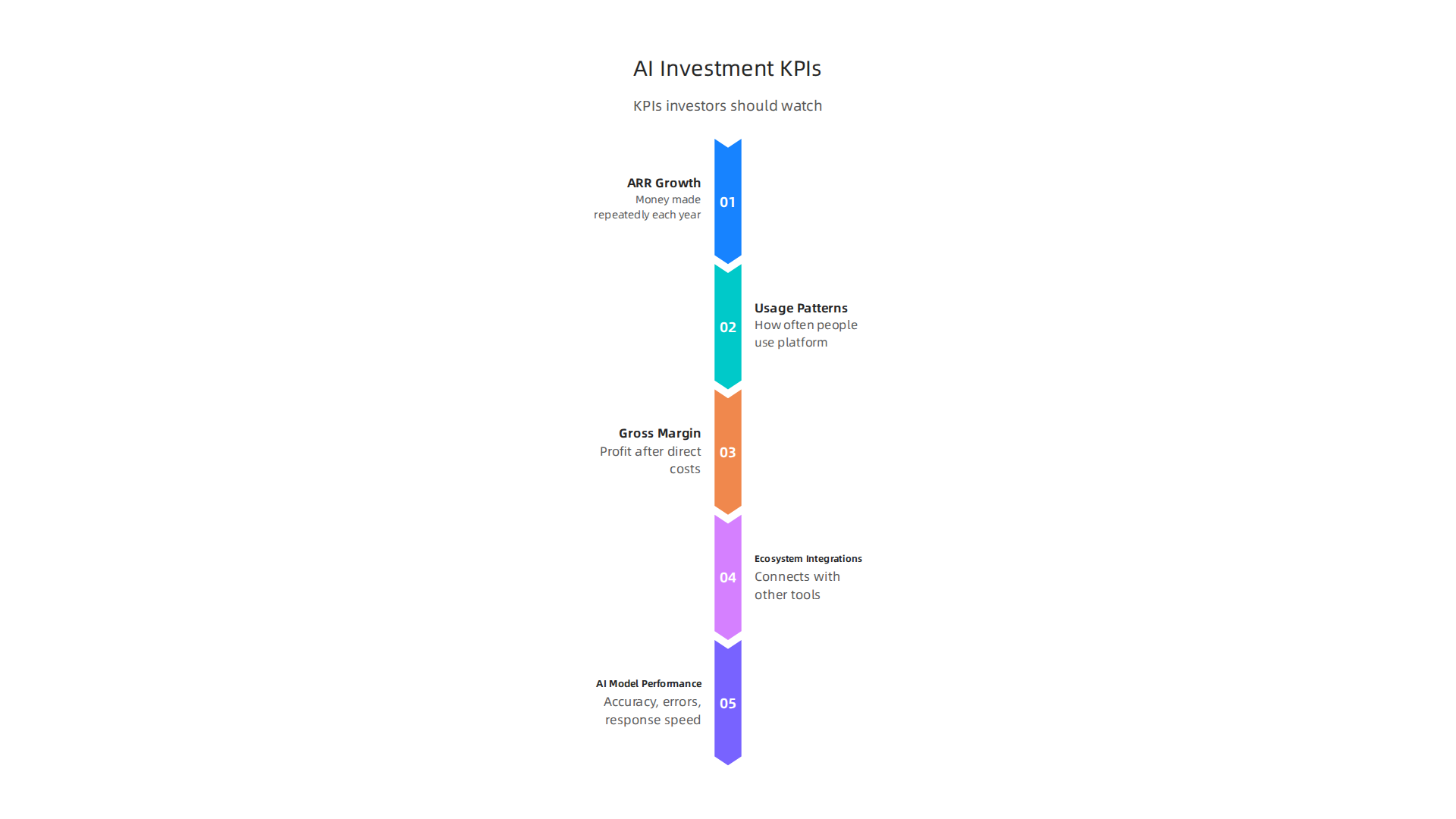
These signals help them decide if a hive ai company is on the right track.
- Annual Recurring Revenue (ARR) Growth: This is the money a company expects to make repeatedly each year from subscriptions or ongoing services. Strong ARR growth means customers are sticking around and paying more. For example, Series A investors often look for around $3.5 million in ARR with a clear path to much more. They also want to see growth of 10-15% month-over-month and net revenue retention above 120% Series A AI Startup Requirements 2026: $3.5M ARR, 120% NRR ….
- Usage Patterns and Retention: How often do people use the platform? Do they come back? Metrics like Daily Active Users (DAU) and Monthly Active Users (MAU) show how engaged users are. Good retention means customers love the product and keep using it. This is crucial because getting new customers can be very expensive.
- Gross Margin: This number shows how much profit a company makes from its sales after taking out the direct costs of making the product, like the heavy computing costs for AI. Investors often target gross margins of 70-80% How Investment Criteria Are Evolving in AI-First Startups.
- Ecosystem Integrations: How well does the
hive aiplatform connect with other tools and services businesses already use? The more it fits into existing workflows, the more valuable it becomes. Think about how acustomer data platformmight integrate with an AI tool to get the most out of company data. - AI Model Performance: Investors also look at how good the AI actually is. This includes how accurate the AI models are, how much they reduce errors, and how fast they respond to tasks. For an AI startup, these technical metrics are just as important as the financial ones Key Metrics for AI & ML Startups: Investor Benchmarks & Benchmarks (2026).
Smart Questions Investors Should Ask (Due Diligence)
Before putting money into an AI platform, investors do a lot of homework, called due diligence. They ask tough questions to make sure the company is sound.
- Data Quality: Is the data used to train the AI good? Is there enough of it? Does the company have unique data that others can’t easily get? Good data is like fuel for a powerful AI engine.
- Model Lifecycle: How does the company keep its AI models up to date? AI changes quickly, so a plan for updating, improving, and managing models over time is key.
- Security: How safe is the platform from hacks or data leaks? Protecting sensitive information is super important for any AI tool.
- Roadmap Realism: Does the company have a clear, believable plan for what they will build next and how they will reach their goals? Can they actually deliver on their promises?
What Makes an AI Platform Strong for a Long Time (Defensibility)
A strong hive ai platform needs to be hard for others to copy or replace. This "defensibility" is what makes it a good long-term investment.
- Unique Data Sources: If an AI platform has access to special data that no one else has, it gives it a huge advantage. This creates a "data moat" that protects its position What Investors Actually Look for in AI Startups (2026) | Platvix.
- Deep Integrations: When an AI platform is deeply woven into how businesses work, it becomes very hard to switch away from it. This stickiness keeps customers loyal.
- Developer Community Health: A thriving community of developers who build on top of an AI platform makes it much stronger. These developers create new uses and help the platform grow. This is especially true for platforms that work with
open source aimodels, where many people can contribute and build together. Companies likeDomino Data Labfoster collaboration among data scientists, which helps build a robust community around AI tools.
By looking at these signals, both founders and investors can get a much clearer picture of an AI platform startup’s true potential in 2026. Understanding these points helps everyone make better decisions in the fast-moving world of AI.
Stay on top of the latest trends in the AI world. The AI Newsletter Worth Reading offers clear daily updates to keep you informed.
Beyond the exciting numbers and potential for growth, building or investing in a hive ai platform also comes with big responsibilities. In 2026, it’s not enough to just make a profit; companies must also make sure their AI is safe, fair, and follows the rules. This means understanding the real risks and putting good practices in place.
Risks, compliance, and responsible AI practices for platforms
For any AI platform, especially one that handles a lot of data, there are unique challenges. Ignoring these can lead to big problems, both for the company and the people who use its AI.
Legal, Privacy, and Safety Risks
When operating an AI platform, founders and investors must think about several kinds of risks:

- Data Liability: AI systems often use huge amounts of data. If this data is wrong, biased, or used in a way that causes harm, who is to blame? This is a serious concern, especially if the
hive aiplatform processes sensitive information from a customer data platform. Companies can be held responsible if their AI models cause harm due to poor data quality or privacy breaches. - Model Misuse: What if someone uses the AI platform for bad purposes, like spreading false information or making unfair decisions? Platform operators need to think about how their AI could be misused and try to prevent it.
- Regulatory Compliance: Governments around the world are creating new laws for AI. For example, the EU AI Act has different risk levels that companies must follow 3. Eu Ai Act — Risk-Based…. Staying on top of these rules is a must for any AI platform in 2026. Not following these rules can lead to big fines and a loss of trust. To learn more about common pitfalls, check out Why is AI bad?.
Governance Controls Platforms Should Implement
To handle these risks, AI platforms need strong rules and systems, also known as governance controls. These help ensure the AI acts responsibly.
- Testing and Monitoring: AI models should be tested thoroughly before they are used and constantly watched afterward. This helps catch mistakes or unfair behavior early. Regularly checking how the AI performs is key.
- Model Cards and Documentation: Just like a label on a product, a "model card" explains how an AI model works. It tells you what data was used to train it, how well it performs, and any known limitations. This transparency helps users understand and trust the AI. The NIST AI Risk Management Framework, updated in 2026, offers guidelines for such practices, providing a foundation for transparent and trustworthy AI systems AI Risk Management Framework (AI RMF 2026).
- Incident Response Playbooks: Companies need a clear plan for what to do if an AI system makes a big mistake or causes harm. Having a playbook for such incidents means they can react quickly and fix problems.
- Clear Policies: Developing strong policies for how data is managed, how AI models are built, and how third-party risks are handled is crucial for good AI governance AI governance: Risk management, controls, and testing. Tools like those offered by
Domino Data Labcan help data scientists collaborate better on these policies and ensure they are followed.
Balancing Speed with Safety
In the fast-paced world of tech, there’s often a push to release new features quickly. But with AI, moving too fast can be risky.
- The Trade-Off: Companies want to innovate quickly, but cutting corners on safety or ethical checks can lead to serious problems down the road. It’s a balance between being first to market and being responsible.
- Prioritizing Safety: Responsible
hive aiplatforms prioritize building safety and ethical checks into their development process from the very beginning. This might mean taking a bit longer to launch, but it builds trust and protects the company from future issues. Even withopen source aimodels, where many people contribute, having clear governance helps ensure quality and safety. - Ongoing Review: A good approach involves continuous review and improvement. Rather than a one-time check, AI systems should be regularly evaluated for fairness, accuracy, and security as they evolve. This helps companies adapt to new risks and regulations.
By carefully considering these risks and putting strong governance in place, AI platform operators can build trusted and successful products that benefit everyone. Understanding these factors is key for anyone looking to master AI and data business strategy for 2026 growth.
Summary
This article explains why AI platforms — and platforms like Hive AI — are essential for founders, investors, and product leaders in 2026. It defines what an AI platform does (inference, labeling, MLOps, hosting), describes core technical components (data ingestion, training, serving, monitoring), and outlines the product and UX features that make platforms adoptable by developers and enterprises. The guide covers business models and GTM options (consumption, subscriptions, enterprise deals), practical KPIs investors care about, and the signals of long‑term defensibility such as unique data and deep integrations. It also walks through governance, compliance, and safety best practices to balance speed with responsible deployment. After reading, you will understand how to evaluate AI platforms, pick the right architecture and pricing approach, spot investor‑grade metrics, and put basic risk controls in place for production AI.