VTS Funding in 2026 What It Is How It Works and Why It Matters

Why VTS Funding Matters Now: Context, Challenges, and What This Guide Delivers
In 2026, the world of startup funding is moving faster than ever. It’s an exciting time, but also a challenging one for founders and investors alike. If you’re looking for money to grow your business, or you’re an investor trying to find the best places to put your capital, understanding "vts funding" is more important than ever.
One big problem right now is how funding sources are spread out. It’s not just about knocking on the door of a few big venture capital firms anymore. There’s a mix of traditional investors, new online platforms, and even different types of private investors offering money. This makes it hard to find the right match. We’re seeing a rise in platform-based capital solutions that try to bring these different funding types together, but navigating them still takes a lot of know-how.
Actually, the way money flows to startups has changed a lot. In 2026, the biggest trend isn’t just how much money is available, but how it’s becoming very focused on specific areas. Capital is now gathering in sectors that are growing fast, like AI. For example, a lot of venture capital was invested in AI companies in early 2026, especially in things like large language models and platform AI applications, according to a report from KPMG. This means while there’s plenty of money, it’s not evenly spread across all industries or companies. This makes the job of finding "vts funding" even more complex, whether you’re a founder seeking an angel studios investment or part of a larger capital management services group looking for the next big thing.
This guide is here to help you make sense of it all. We will explain "vts funding" and show how it can connect these different funding paths. Whether you are a founder seeking investment, a private investor looking for opportunities, or a corporate leader planning strategy, this guide will help you evaluate and act on these new ways to get and give money. You’ll learn how to navigate the complex funding landscape and make smart choices in 2026.
Staying informed about market shifts, especially in fast-moving areas like AI, is crucial for both founders and investors.

The AI Newsletter Worth Reading offers clear daily updates to help you stay ahead.
What ‘VTS funding’ and modern funding platforms actually are
After seeing how startup funding has changed in 2026, it’s time to truly understand "vts funding." Think of VTS funding not as one type of money, but as a new way to connect people who need money with those who have it. It uses special online platforms to make this happen faster and smarter.
These modern funding platforms bring together many different parts.
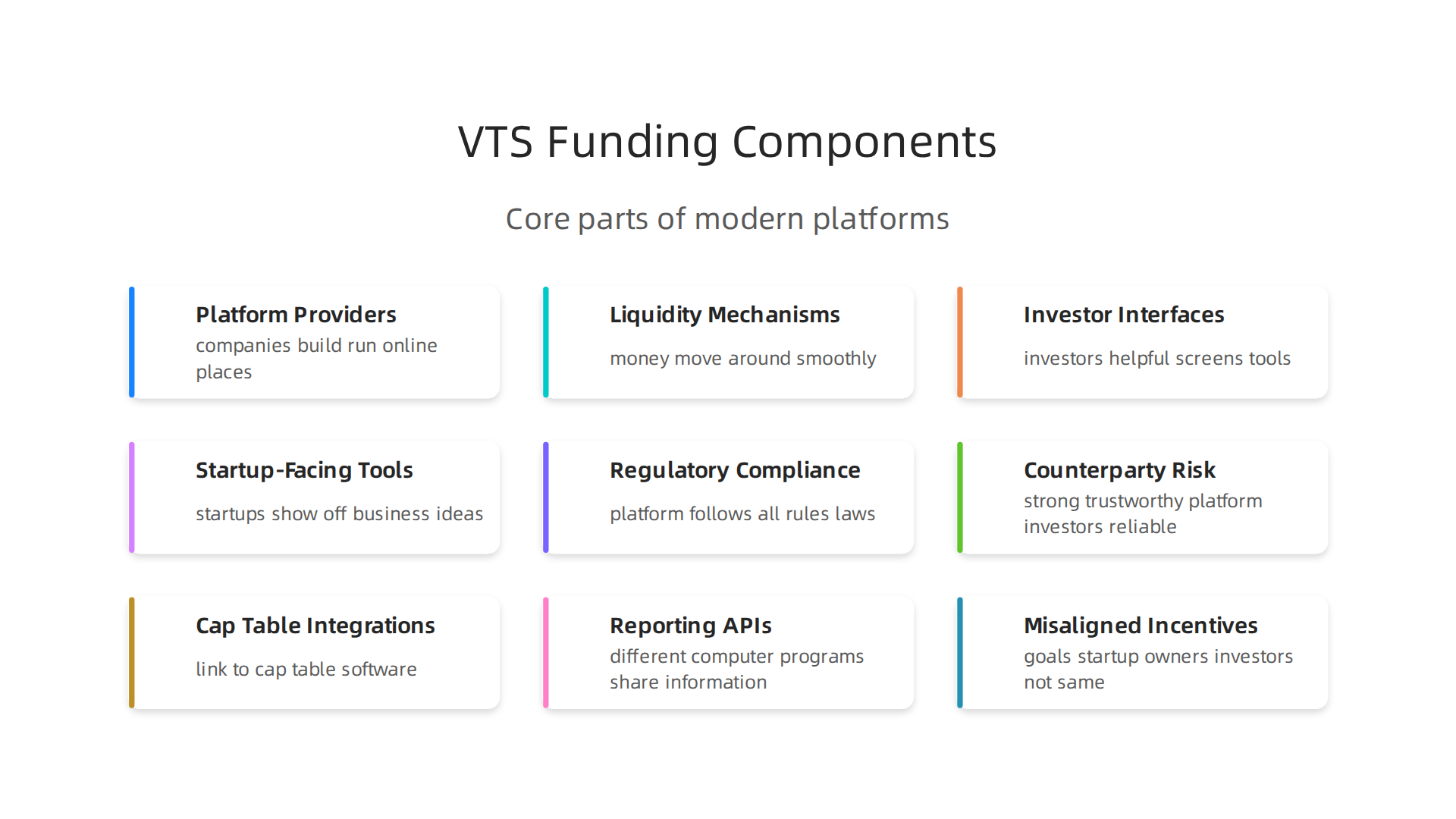
- Platform Providers: These are the companies that build and run the online places where all this funding activity happens. They create the rules and the tools. They are like the hosts of a big marketplace for money.
- Liquidity Mechanisms: This is about how easily money can move around. These platforms help make sure that when an investor wants to put money in, or a startup needs to get money out, it can happen smoothly. It’s like having good roads for money to travel on.
- Investor Interfaces: This is what investors see and use. These platforms give private investors and large groups helpful screens and tools. They can look at many different opportunities, manage their
capital management services, and decide where to put their money. - Startup-Facing Tools: On the other side, startups get tools to show off their business ideas. They can present their plans and needs to many potential investors at once. This helps them find the right match for their growth.
How VTS Funding Is Different
VTS funding stands out from older ways of getting money. It’s not the same as:
- Traditional Venture Debt: This is like a loan that a bank or special lender gives to a company. The company has to pay it back, usually with interest. With venture debt, the lender doesn’t own a part of the company. VTS funding, though, often involves investors taking a small piece of the company.
- Equity Rounds: This is when a company sells a part of itself (shares) to investors for money. Common examples include Series A, B, or C rounds. While VTS platforms can help with equity deals, they also often involve smaller, more flexible ways of investing. If you are looking for bigger investment from
venture capital firms for small businesses, VTS funding can be a good starting point. - Secondary Market Activity: This is when an existing investor sells their shares to another investor, not directly from the company. VTS funding is usually about new money going into the company to help it grow.
VTS funding platforms use smart technology to make financial information easy to understand. They often use structured data to present company information, which helps investors make decisions quickly. This kind of data handling is important for following rules, like those from the SEC, which releases updates for financial reporting taxonomies each year, including for 2026, as noted in their Release Notes For SEC Taxonomies 2026 Draft. This means even complex financial details can be handled more clearly.
These platforms bring together a mix of private investors and larger groups with big think capital. They create a central spot where many people can find or offer money, making the funding process more open and efficient for everyone in 2026.
Modern vts funding platforms truly change how startups get money today.
They offer many good things for founders, like making the process faster and helping them reach more people who want to invest. These platforms help startups get money in new ways that were not possible before.
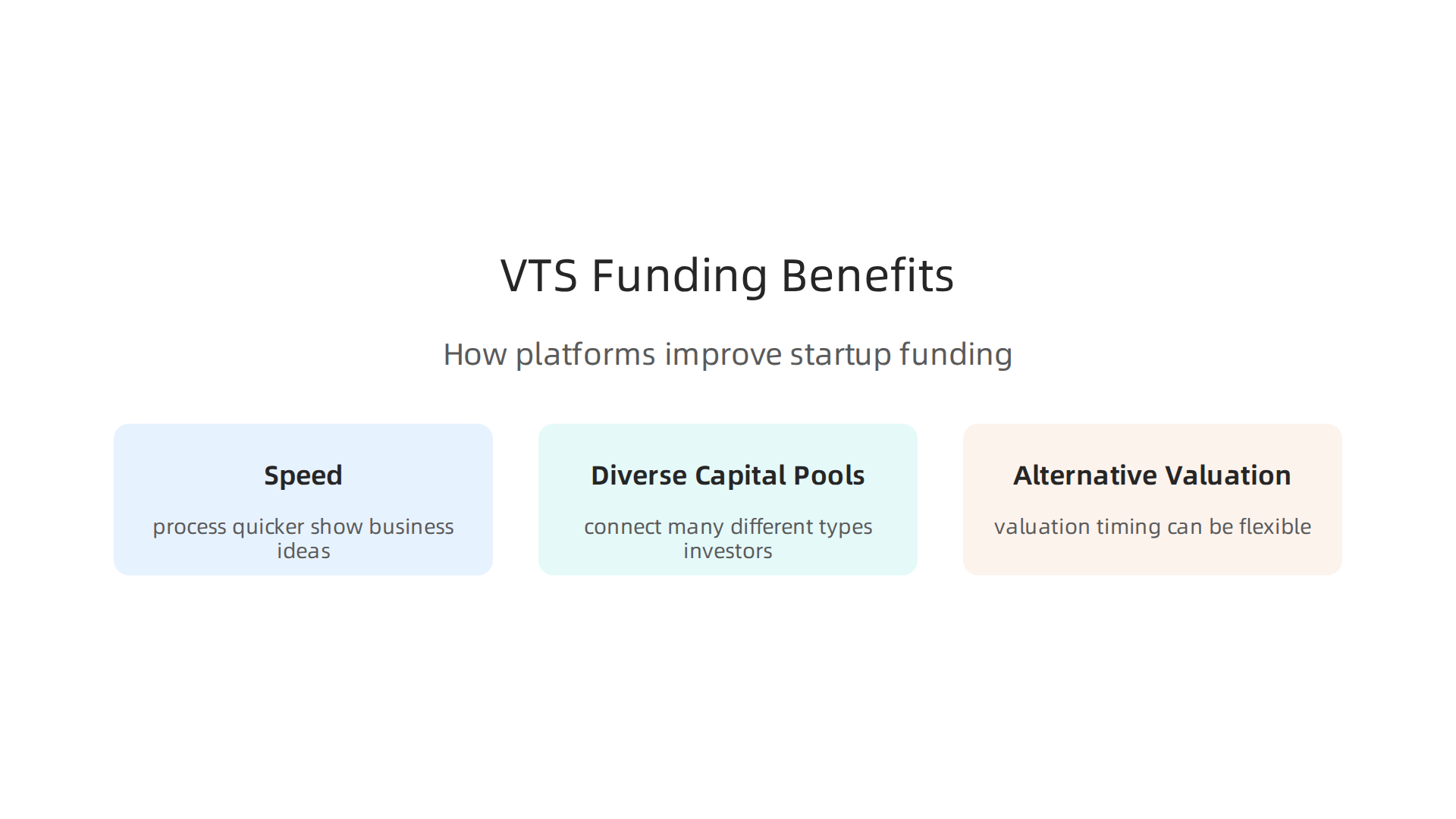
One big benefit is speed. Old ways of getting money often took a long time, with many meetings and paperwork. VTS platforms use smart tools to make this quicker. They help founders show their business ideas to many potential private investors at once. This means startups can get the money they need to grow much faster. For example, some companies have used these modern platforms to close their funding rounds more quickly than in the past, helping them move from idea to funded business in record time, as shown in various Founder Outcomes and Startup Fundraising Case Studies.
These platforms also give startups access to diverse capital pools. Instead of just going to a few big banks or venture capital firms, founders can connect with many different types of investors. This includes more private investors and groups with big think capital who might be interested in smaller, more flexible investments. This wider reach means startups have a better chance of finding the right money for their specific needs.
What’s more, vts funding can offer alternative valuation and timing dynamics. This means that how a company is valued or when it receives money can be more flexible. Startups might get smaller amounts of money more often, or they might be valued in new ways that fit their growth stage better. This helps founders keep more control over their company and can make the funding process less stressful. If you are looking for guidance on finding investors, you can learn how to find investors for a startup in 2026 step by step guide.
But like anything new, these advanced capital solutions also come with things founders need to think about. There are some trade-offs and hidden costs.
First, there are fees. While VTS platforms make things easier, they often charge fees for their services. These fees can be a percentage of the money raised or a regular cost to use the platform. Founders need to understand these costs so they can plan their budgets well.
Another thing to consider is governance and liquidity constraints. When many private investors put money into a startup through a platform, it can sometimes mean more people have a say in how the company is run. It’s like having more cooks in the kitchen. Also, selling shares obtained through some VTS platforms might not always be as easy as selling shares in a public company. This means investors might not be able to get their money out quickly if they need to.
Finally, there’s the potential signaling effect to future investors. Sometimes, how a startup raises its early money can send a message to bigger, later-stage investors. While VTS funding is becoming more common, founders should think about how it might be seen by those who invest in larger funding rounds down the road.
Staying on top of these trends, especially in fast-moving areas like AI, is really important for founders and investors in 2026. For clear, daily updates on artificial intelligence and other tech changes, you might find this helpful: The AI Newsletter Worth Reading.
Navigating the world of modern funding means founders must carefully look at the different platforms available. After understanding the good things and the hidden costs of vts funding, it’s clear you need a simple way to choose the right one. This is why having a practical framework to evaluate these advanced capital management services is so important in 2026.

When you look at a vts funding platform, think about these important points:
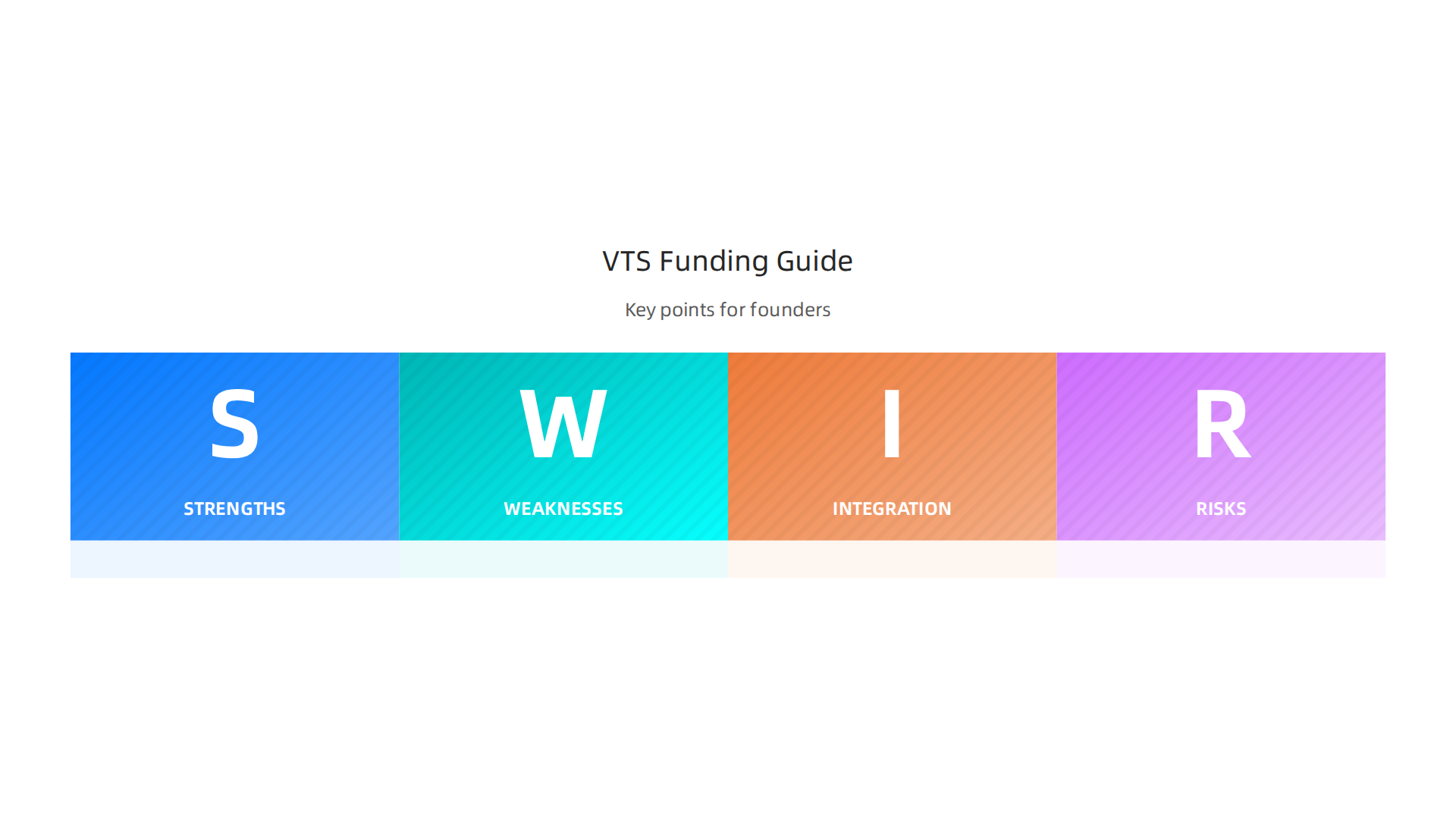
- Regulatory Compliance: This means checking if the platform follows all the rules and laws. You want to make sure the platform is safe and legal for both you and your
private investors. A platform that isn’t careful with rules could cause big problems later. - Counterparty Risk: This is about who you are doing business with. How strong and trustworthy is the platform itself, and are the other investors reliable? Knowing who you are dealing with helps you feel secure about your startup’s money.
- Reporting and Data Access: Can you easily see how your funding is going? A good platform gives you clear reports and easy access to data about your investors and money. This helps you keep track of things and make smart choices.
- Economics: Beyond the fees we talked about earlier, look at the full financial picture. What are all the costs involved? How does the platform help you get the best value for your company?
- Speed: While
vts fundingpromises speed, it’s good to ask for proof. How fast do deals really close? Is the quickness worth any trade-offs?
Important Numbers to Ask For
When you are checking out a vts funding platform, it’s smart to ask for specific numbers, or Key Performance Indicators (KPIs). These numbers can tell you a lot about how well the platform works and what kind of investors it attracts. For example, investors often look at many KPIs to check a startup’s health, as shown in benchmarks for traction metrics for VCs in 2026.
Here are some KPIs to request during your checks:
- Liquidity Depth: This means how easy it is for investors to buy or sell their shares. If many people want to trade, it’s usually a good sign. For platforms like real estate crowdfunding, understanding key financial KPIs is important for both sides of the marketplace, including capital efficiency and investor retention strategies according to reports on 7 Core Financial KPIs for Real Estate Crowdfunding Platforms.
- Investor Mix: What kind of investors use the platform? Are there many
private investors, or alsobig think capitalgroups and those interested inangel studios investment? A good mix can mean more chances for your startup. - Average Hold Periods: How long do investors typically keep their money in the businesses they fund through the platform? If investors hold on for longer, it can show they trust the platform and the companies on it.
- Fee Schedules: Get a clear list of all fees and when you need to pay them. No surprises!
By using this framework, you can better understand the different vts funding options and pick the one that fits your startup best. It’s about finding smart ways to connect with different types of investors, from big firms to individual private investors.
For founders and investors looking for deeper insights into how to connect with top-tier backers, learning about different investor types can be very helpful. You can learn more about finding and attracting these key players in Master Investors in Businesses: Identify, Attract, Secure Funding 2026. It’s also useful to understand the inner workings of such platforms. For more on this, check out What Is A Tech Exchange And How It Connects Startups, Investors, And Funding.
When you pick a vts funding platform, the work isn’t over. Now, you need to bring that platform into how your company already works every day. This means making sure all your systems talk to each other smoothly. It’s about more than just finding money; it’s about making sure your whole team can manage that money well using new capital management services.
How Funding Platforms Connect to Your Company
Think about how a new vts funding platform will link up with your startup’s tools.
These are the main connection points:
- Investor Portals: This is like a special website for your
private investors. They can log in to see how their money is doing, get updates, and find important documents. The platform needs to make this easy for them. - Cap Table Integrations: Your "cap table" shows who owns how much of your company. It’s super important to keep this correct. A good platform can link directly to your cap table software to update who owns what shares after new investments. This makes sure everything is always correct and legal.
- Reporting APIs: An API is like a bridge that lets different computer programs share information. Your
vts fundingplatform should have reporting APIs. This means you can easily pull data about your investors and funding into your own systems. This helps you create your own reports and charts. If you are looking to create such systems, it helps to understand how to build your modern data pipeline for startup success. - Accounting Impacts: Bringing in new funding changes your company’s financial records. The platform should make it easy to record these changes correctly in your accounting software. This ensures your books are always balanced and ready for review.
Important Checks for Your Team
Adopting a new funding platform means your team needs to do some important checks. This is especially true for legal, tax, and compliance groups. It’s a big step to work with new platform-based financings, especially with changes in funding trends like the focus on AI in 2026, which saw venture capital investment surge globally in Q1, as reported by Venture Pulse Q1 2026 – KPMG agentic corporate services.
Here’s a checklist for your teams:
- Legal Team:
- Review Contracts: They need to read all agreements from the platform carefully. This makes sure your company is protected and understands all the terms.
- Understand Jurisdiction: Where is the platform based? What laws apply? This is key for things like
private investorsor evenbig think capitalgroups from different places. - Data Privacy: How will the platform handle sensitive information about your company and investors? This must follow all privacy laws.
- Tax Team:
- Tax Implications: How does using this platform affect your taxes? Are there special rules for
angel studios investmentor other types of investments? Your tax team needs to figure this out ahead of time. - Reporting Requirements: What tax forms do you need to file, and when? The platform should help you get the right data for these reports.
- Tax Implications: How does using this platform affect your taxes? Are there special rules for
- Compliance Team:
- Regulatory Checks: Does the platform meet all the rules for money management and investor protection? This helps avoid problems later.
- Internal Policies: Make sure using the platform fits with your company’s own rules for managing money and data.
By planning for these technical connections and operational steps, you can make sure your vts funding platform truly helps your startup grow without causing new headaches. Staying informed about the latest in technology and funding can also provide a strategic advantage.
Get clear daily AI updates from The AI Newsletter Worth Reading.
For investors, a VTS funding platform is more than just a tool for startups. It’s a new way to find good deals, understand how easy it will be to sell an investment later, and check for risks. As 2026 moves along, more investors, from single private investors to large big think capital groups, are looking at these platforms closely. They want to make sure the investments they make through these services fit well into their overall plans.

Investor perspective: deal sourcing, liquidity, and risk models
When investors look at VTS funding platforms, they have a few key things on their minds.
How Investors Find Deals (Deal Sourcing)
First, investors use these platforms to find new companies to put money into. This is called deal sourcing. A good VTS funding platform gives them access to many startups they might not find otherwise. They can look for companies that fit their interests, like those focused on new technology or a certain type of business. For example, some platforms might specialize in angel studios investment opportunities.
Investors also check how much information the platform gives them about each startup. They want clear details about the company’s team, its product, and its market. The more open and clear the information, the more trust investors have in the deals they find. It helps them decide which startups are truly promising. If you’re an investor looking to find great opportunities, it helps to understand how to master investors in businesses identify attract secure funding 2026.
Getting Money Back (Liquidity)
Next, investors think about "liquidity." This is about how easily they can sell their investment and get their cash back later. Unlike publicly traded stocks that are easy to sell, startup investments are often "illiquid." This means they can be hard to sell quickly.
VTS funding platforms are trying to make things better. In 2026, there are more talks about secondary markets. These are places where early investors can sell their shares to other investors before a company goes public or gets bought out. This gives them a chance to get their money back sooner. Many experts expect 2026 to bring more ways for private investors to find liquidity in venture capital, which means more chances to get their money back through buyouts and other events, according to a 2026 private markets outlook. However, investors still need to be careful. They should treat liquidity as something that might happen, not something that’s guaranteed, and carefully check the terms for selling their shares against how easy it is to actually sell the company’s assets later on, as noted by CFA Institute insights. This helps investors plan for when they might get their money back.
Checking for Dangers (Risk Models)
Finally, investors use their "risk models" to evaluate deals from these platforms. A risk model is simply a way to figure out how much danger there is in an investment. They look at:
- The Startup’s Risk: How likely is the company to succeed? Is its business idea strong?
- The Platform’s Risk: How safe is the VTS funding platform itself? Does it have good security? Does it follow all the rules?
- Market Risk: What could happen in the broader market that might hurt the investment?
Investors carefully review the platform’s information to understand all these risks. They use this information to decide if a deal is worth the potential rewards, making sure their capital management services are aligned with their risk tolerance.
For investors, VTS funding platforms are a helpful way to explore many different kinds of deals. But these platforms work best for certain types of companies and might not be right for everyone. It’s important to know where VTS funding shines and where people need to be careful.
Use cases, cautionary tales, and where VTS funding works best
VTS funding is often a great fit for companies that don’t need a huge amount of money all at once but can grow steadily. These are called "capital-efficient" businesses. They use their money wisely to grow their business without wasting it. Companies with "repeatable revenue models" also do very well. This means they have a clear way to make money again and again, like a software company that sells monthly subscriptions. Investors like this because it shows a steady stream of income. Many startups, especially in tech, fit this bill, looking for smart ways to get startup funding real results and case studies.
These platforms are also good for companies that might need "flexible liquidity." This means they want options to let investors sell their shares at different times, rather than waiting for one big event like selling the company. This helps both the company and the private investors who put money in.
Another strong use case for VTS funding is for businesses looking to raise money from different countries. These "cross-border considerations" can be tricky, but a good VTS platform can help make it easier to connect with a wider range of investors, from small private investors to larger big think capital groups. For example, a new health tech startup in 2026 might find it helpful to reach investors globally. Many startup funding journeys begin with a clear plan, as highlighted in this guide on how to find and get startup funding.
However, not every deal on a VTS funding platform is a perfect fit. There are some common traps to watch out for.
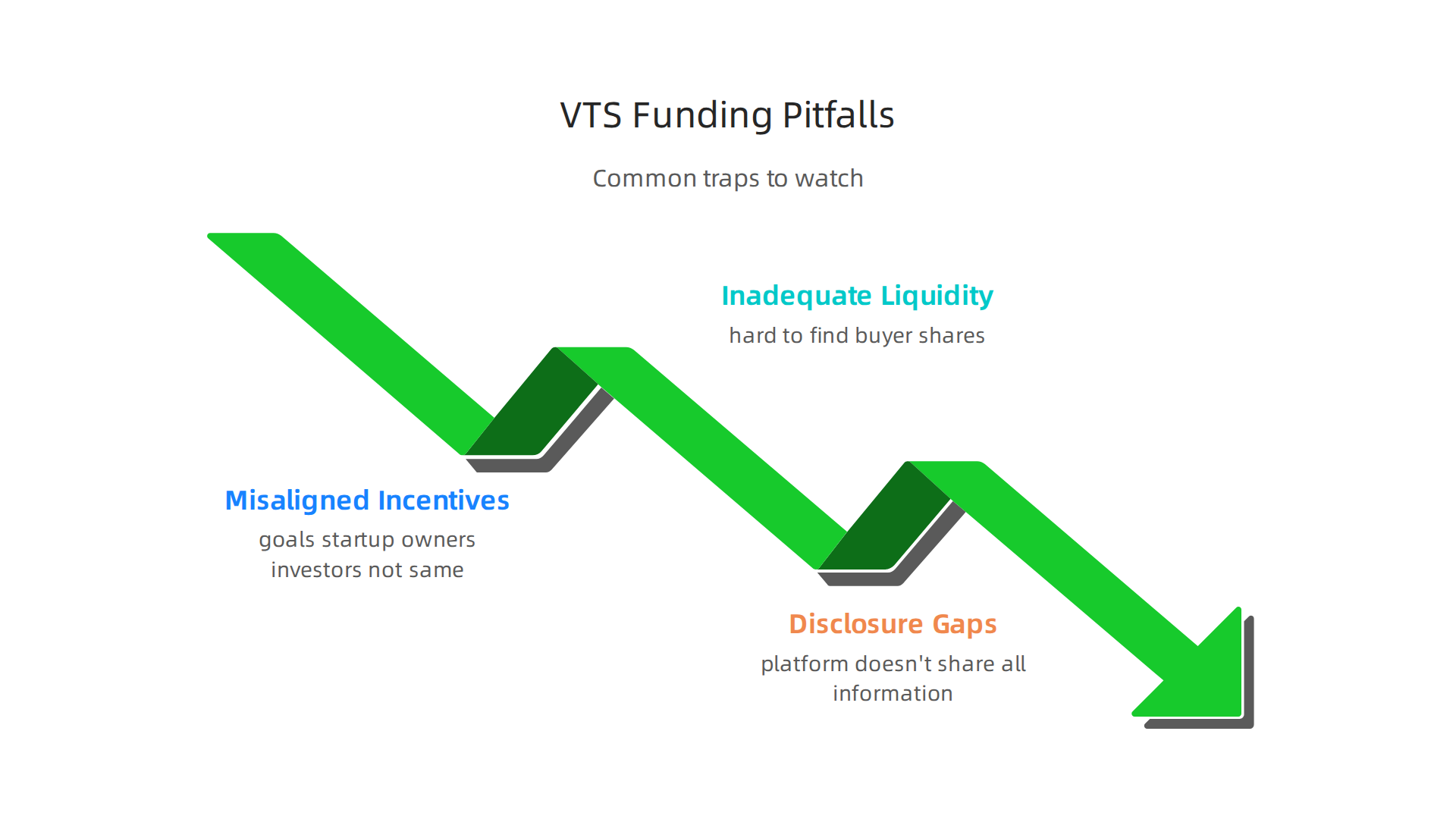
Common Pitfalls with VTS Funding
One big problem can be "misaligned incentives." This happens when the goals of the startup owners and the investors are not the same. For example, a founder might want to grow slowly, but an investor might push for fast growth to get a quicker return. These different goals can cause trouble down the road.
Another pitfall is "inadequate liquidity." While VTS funding tries to make selling shares easier, it’s still not as simple as selling stocks on a big exchange. Sometimes, even with plans for a secondary market, it can be hard to find a buyer for your shares when you want to sell. Investors should never assume they will get their money back quickly or easily.
Finally, "disclosure gaps" are a serious concern. This is when a startup or platform doesn’t share all the important information. Maybe they hide problems, or they don’t give a clear picture of their finances. For any investor, getting full and honest information is key to managing risks and making smart decisions about their capital management services. If details are missing, it’s hard to truly understand what you’re investing in.
For those keeping up with the latest in tech and its impact on funding, there’s a lot to learn. Get clear daily AI updates from The AI Newsletter Worth Reading.
Summary
This article explains why VTS funding matters in 2026 and how modern platform-based capital solutions are reshaping startup finance. It defines VTS funding as an online marketplace connecting startups with diverse investors via platform providers, liquidity mechanisms, investor interfaces, and startup-facing tools, and shows how that differs from traditional venture debt, equity rounds, and secondary sales. The guide covers the main benefits—faster rounds, broader investor access, and flexible valuation/timing—as well as the trade-offs founders and investors must watch, like fees, governance complexity, liquidity limits, and signaling effects. It gives a practical evaluation framework (regulatory compliance, counterparty risk, reporting, economics, speed) and lists KPIs to request from platforms, plus the technical integrations startups need (investor portals, cap table links, reporting APIs, accounting). Finally, it lays out the investor perspective on deal sourcing, liquidity models, and risk assessment, suggests ideal use cases (capital-efficient, repeatable-revenue companies, cross-border raises), and warns about common pitfalls to avoid.