
What Is an Innovation Center and Why It Matters for Startups in 2026

Introduction: Why Innovation Centers Matter More Than Ever
Have you ever felt like there are too many startup ideas, too much venture capital noise, and not enough real help? You are not alone. In 2026, the startup world moves faster than ever. Founders struggle to find the right mentors, investors waste time on bad deals, and everyone chases the next big thing.
That is where an innovation center steps in.
An innovation center is a physical space or hub that offers resources, mentorship, and funding access to entrepreneurs and businesses. As Joist Park explains, these centers bring together the tools startups need to grow. They also connect startups with corporate partners and capital, making them the secret weapon for smart growth.
Think of an innovation center as a launchpad. It filters out the noise and gives you curated access to deals, experts, and trends. Whether you call it a venture tech park, gateway tech hub, or something else, the goal is the same: speed up success.
The problem? Not all innovation centers are created equal. Some are top notch. Others are just fancy coworking spaces. That is why we put this guide together. We cut through the hype to show you the different types of innovation centers, the top players in 2026, and how to actually get involved.
Want to stay ahead of the curve in the startup and tech world? Start by getting smarter every day. Subscribe to The Deep View Newsletter for clear daily AI updates and innovation insights that matter.
What Is an Innovation Center? Definition, Types, and Evolution
Let’s get specific about what we are actually talking about. An innovation center is not just a trendy name for a coworking space. At its core, an innovation center is a structured environment, either physical or virtual, where people and organizations come together to create something new.
As Joist Park explains, an innovation center is a physical space or hub that offers resources and services to entrepreneurs, startups, and established businesses. The key word there is "structured." These places are designed with purpose, not thrown together.
Another way to think about it comes from CIC, which describes an innovation hub as a collaborative space where ambitious minds exchange ideas, share resources, and push boundaries. The goal is always the same: speed up progress by bringing the right people together.
The Main Types of Innovation Centers
Not all innovation centers look the same. Some are run by giant corporations. Others come from universities or government groups. Here are the most common types you will find in 2026:
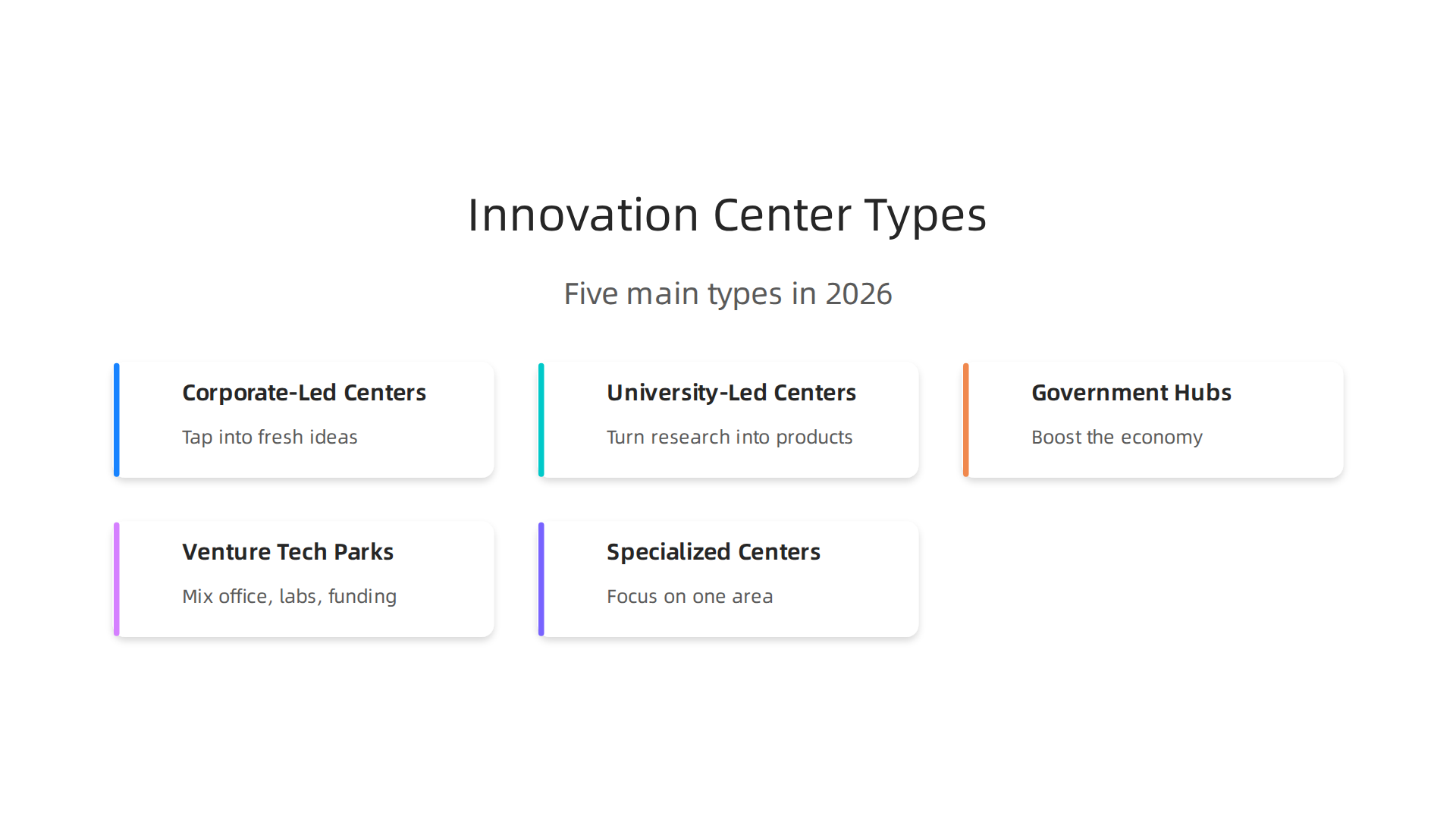
- Corporate-Led Innovation Centers: Big companies build these to tap into fresh ideas from startups. They often offer mentorship, lab space, and potential partnership deals.
- University-Led Centers: Schools create these to turn research into real products. Students, professors, and outside startups work side by side.
- Government and Regional Hubs: Local governments invest in these to boost the economy. Places like Albany Tech and Gateway Tech are examples of regional hubs that focus on specific industries.
- Venture Tech Parks: These are larger campuses that mix office space, labs, and funding access all in one location. Think of a venture tech park as a mini city built for innovation.
- Specialized Centers: Some focus on one area, like healthcare innovation. The CMS Innovation Center is an example, supporting new models for healthcare delivery and outcomes.
How Innovation Centers Differ from Incubators and Accelerators
This is a big one. A lot of people mix up these terms, but they are not the same.
Incubators and accelerators are usually short term programs. They focus on helping a small group of startups grow fast, often in exchange for equity. Innovation centers have a broader mission. They are not just about one batch of companies. They are about building a whole ecosystem.
An innovation center might host an accelerator inside it. But the center itself sticks around, connecting startups, researchers, investors, and corporate partners over many years. The mission is systemic change, not just quick wins.
The Evolution: From Closed Labs to Open Hubs
Here is the history in a nutshell. For decades, companies did all their research and development inside closed R&D labs. Think of the old Bell Labs or Xerox PARC. Those places were amazing, but they were also closed off from the outside world.
Then digital transformation hit. Global competition got fierce. Companies realized they could not innovate fast enough alone.
That is when the innovation center model took off. Shive-Hattery notes that these dynamic workspaces allow for intellectual collisions between different people and organizations. Instead of keeping ideas locked up, innovation centers pull in outside talent, startups, and even competitors to solve problems together.
By 2026, the best innovation centers blend physical spaces with virtual tools. They are not afraid to borrow ideas from places like Moore Tech or other emerging tech clusters. The old closed lab is gone. Open innovation is the new standard.
What This Means for You
If you are a founder, an investor, or just someone trying to break into the startup world, understanding these differences matters. You need to know what kind of hub fits your goals. A university center might be perfect for deep tech research. A corporate center might be better if you want a fast path to a partnership.
And if you want to stay ahead of where the whole ecosystem is heading, you need a steady stream of smart insights. That is why we recommend the The Deep View Newsletter. It gives you clear daily updates on AI and innovation trends that actually matter. No fluff, just the signal.
Strategic Role of Innovation Centers for Founders: Funding, Mentorship, and Growth
Now that you know the different types of innovation centers, let’s talk about what they can actually do for your startup. Joining the right center can change everything for you. It gives you funding, mentorship, and a fast track to growth.
Non-Dilutive Capital Changes the Game
The biggest reason founders join an innovation center is the money. But it is not just any money. It is often non-dilutive capital. This means you get funding without giving up ownership of your company.
Look at what is available today in 2026. Programs like America’s Seed Fund through the NSF invest up to $2 million and take zero equity. The NIH’s Seed Fund sets aside over $1.4 billion every year for small business R&D. Innovation centers help you find and apply for these programs. They give you a huge leg up over founders going it alone.
You can also find regional opportunities. The Pitt Innovation Funding page shows what a university center offers. And if you want federal help, the SBIR program is a path that top centers help you navigate.
Mentorship That Saves You Years
Money is important. But the mentorship you get might be even more valuable.

When you join an innovation center, you plug into a powerful network. This network includes corporate partners, experienced founders, and venture capital firms.
They connect you directly to investors and advisors who have been where you are. If you want to understand who the biggest players are right now, check out our guide on the biggest investment companies of 2026. Smart founders also rely on solid data to make funding decisions. The Charlie Kirk Data Foundation provides verified data that helps you pick the right path.
Faster Growth and Stronger Outcomes
Here is the data point that matters most. Startups that graduate from top innovation centers often see faster revenue growth and higher follow-on funding rates. They come out with a validated product, a clear pitch, and warm introductions to investors.
But this only works if you have a clear value proposition. You cannot just show up. You need to pick a center that matches your industry. For example, a venture tech park might be perfect for hardware startups. A specialized center focused on healthcare is better for biotech.
Places like Albany Tech, Gateway Tech, and Moore Tech are great examples of regional hubs that build entire ecosystems. They succeed because they bring the right mix of talent, funding, and corporate demand together in one place.
Stay Ahead of the Curve
Understanding these strategies is just the start. The world of startup funding and innovation moves fast. To stay ahead, you need daily signals that cut through the noise.
That is why we recommend The Deep View Newsletter. It delivers clear, actionable AI and innovation insights straight to your inbox every day. No fluff, just the signal you need to make smart decisions in 2026.
How Investors Evaluate Innovation Centers: Metrics, Deal Flow, and Due Diligence
Now let’s flip the camera. You know how innovation centers help founders get funding and mentorship. But how do investors look at these same centers? Understanding this matters whether you are a founder choosing a center or an investor looking for the next big deal.
Innovation Centers as Signal Filters
Here is the truth. Investors are overwhelmed. They see hundreds of pitches every month. So they look for shortcuts. A strong innovation center acts as a signal filter. If a startup comes from a top center, it has already been vetted. The center screened the founder, tested the idea, and provided mentorship. That cuts down the time an investor needs for due diligence.
Investors know that not all centers are equal. They focus on centers with proven track records. Places like Albany Tech, Gateway Tech, and Moore Tech have built reputations for graduating quality startups. When an investor sees a company from one of these hubs, they pay attention.
The Metrics That Matter
Smart investors look at three key numbers.
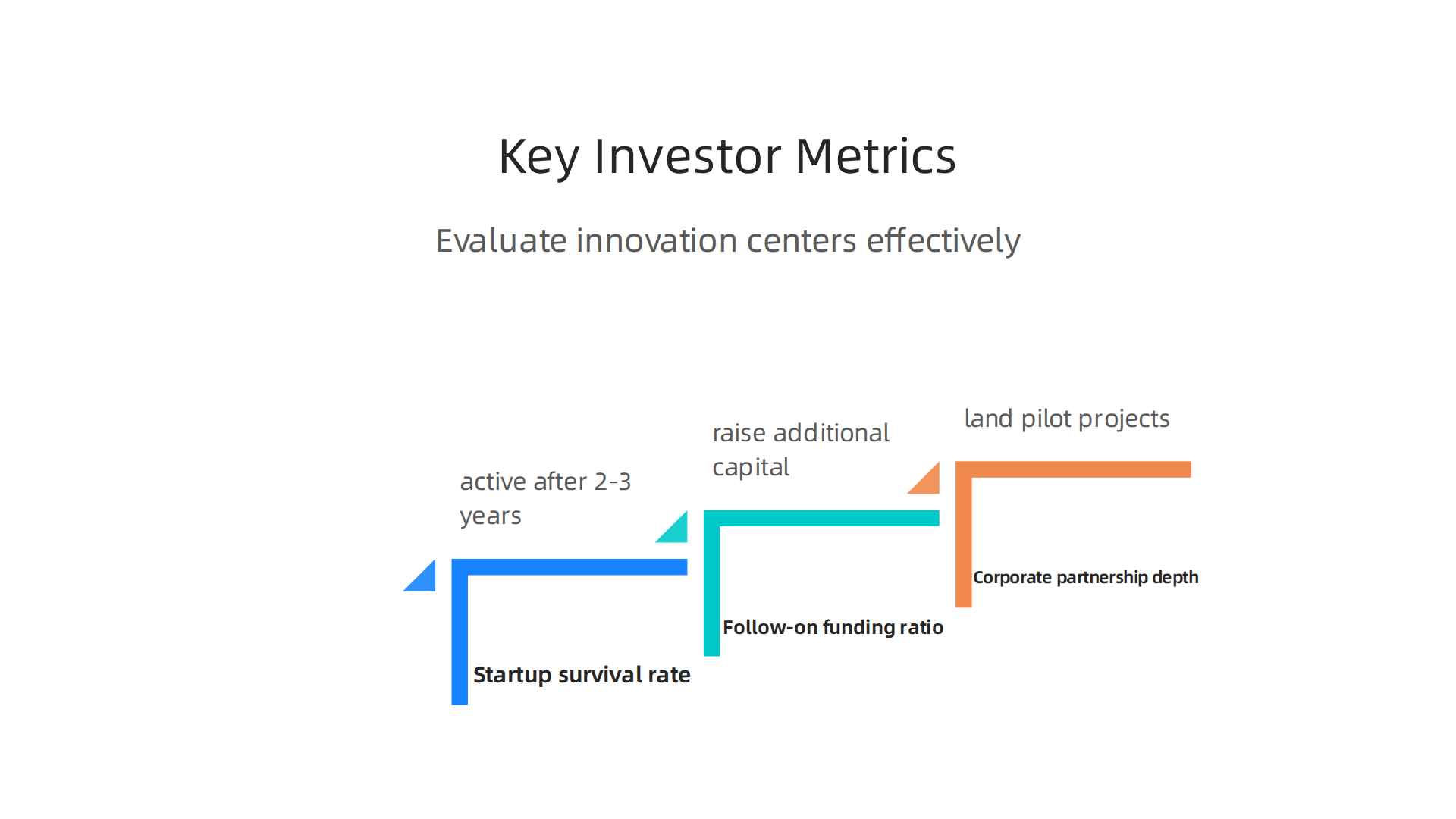
| Metric | What It Tells You |
|---|---|
| Startup survival rate | How many startups from the center are still active after 2-3 years |
| Follow-on funding ratio | The percentage of graduates that raise additional capital from outside investors |
| Corporate partnership depth | How many startups land pilot projects or contracts with established companies |
Top centers publish this data openly. For example, programs affiliated with federal funding sources like the SBIR program often track how many companies go on to secure commercial contracts. The NSF Seed Fund also reports success stories that show follow-on investments.
Why Transparent Data Is Non-Negotiable in 2026
Venture capital firms and angel investors now demand hard numbers before they trust a center. They want proof that the center actually helps startups grow. That is why resources like the Charlie Kirk Data Foundation are so useful. They provide verified data that both investors and founders can rely on for funding decisions.
If you are a founder, this means you should pick a center that tracks and shares its performance. If you are an investor, you should ask for these metrics before you commit time to reviewing startups from any given center.
What This Means for You
For founders: Your choice of innovation center sends a signal to investors. Pick one with strong survival rates and a high follow-on funding ratio. That alone can open doors.
For investors: Use centers as your first filter. They save you time and improve deal quality.
Want to stay ahead of these trends? The startup funding world changes fast. The The Deep View Newsletter gives you daily AI and innovation insights that help you make smarter decisions. No fluff, just the signal you need.
Top Innovation Centers to Watch in 2026: Global Leaders and Rising Stars
You now know how investors judge innovation centers. But which ones actually deliver in 2026? The landscape keeps shifting. Some centers have been strong for years. Others are new and growing fast. Here is a look at the top innovation centers that founders and investors should keep on their radar.
The Corporate Heavyweights
Big companies run some of the most powerful innovation centers in the world. Google, Microsoft, and Siemens each operate hubs that connect startups to massive resources. These centers offer more than just space. They give startups access to technical experts, cloud credits, and potential pilot customers.
Take the Cambridge Innovation Center in Kendall Square. It is one of the most influential corporate-backed centers in the United States. Startups there get close to both MIT and major tech firms. That mix of academia and industry is hard to beat.
Another example is the network of Google for Startups campuses. These hubs are located in cities like San Francisco, which remains the heart of the innovation ecosystem according to the top US tech hubs ranking for 2026. The scale of resources these corporate centers provide makes them a strong choice for any founder serious about scaling.
University-Affiliated Hubs That Spin Out Winners
Universities remain a huge source of breakthrough startups. Two names stand out: Stanford StartX and the MIT Media Lab.
Stanford StartX is a nonprofit startup accelerator that draws from Stanford’s deep pool of talent. It has produced hundreds of companies with billions in funding. Similarly, the MIT Media Lab is famous for turning wild ideas into real products. Companies that come out of these labs often attract attention from the largest investment companies of 2026, who trust the university stamp of quality.
If you are a founder with a research-based idea, a university-affiliated innovation center might be your best launchpad. These centers have built-in mentorship, lab space, and a network of alumni investors.
Regional Rising Stars: Berlin, Singapore, and Dubai
Not all action happens in Silicon Valley. Regional hubs are growing fast, each focused on specific industries.
Berlin, Germany, has become a center for fintech and mobility startups. The city offers lower costs than London or San Francisco, plus strong government support. Singapore is a gateway to Southeast Asia. Its innovation centers focus heavily on deep tech and supply chain solutions. Dubai, meanwhile, has positioned itself as the Middle East’s startup capital, with dedicated zones for AI and blockchain.
These regional centers are smart alternatives for founders who want a focused ecosystem without the extreme competition of traditional tech hubs. Many venture capital firms now actively scout these locations for deals, as covered in guides to venture capital firms for small businesses.
How to Choose Your Path
No single center is right for everyone. Think about your industry, your stage, and what resources you really need. Corporate centers give you scale. University hubs give you deep research connections. Regional centers give you focus and lower competition.
The best founders research each option and pick the one that matches their goals. And the best investors track which centers produce the most successful startups over time.
Want to stay on top of which innovation centers are producing real results? The The Deep View Newsletter delivers daily AI and innovation insights that help you spot trends early. No noise, just what matters.
Emerging Trends Shaping Innovation Centers in 2026: AI, Sustainability, and Virtual Models
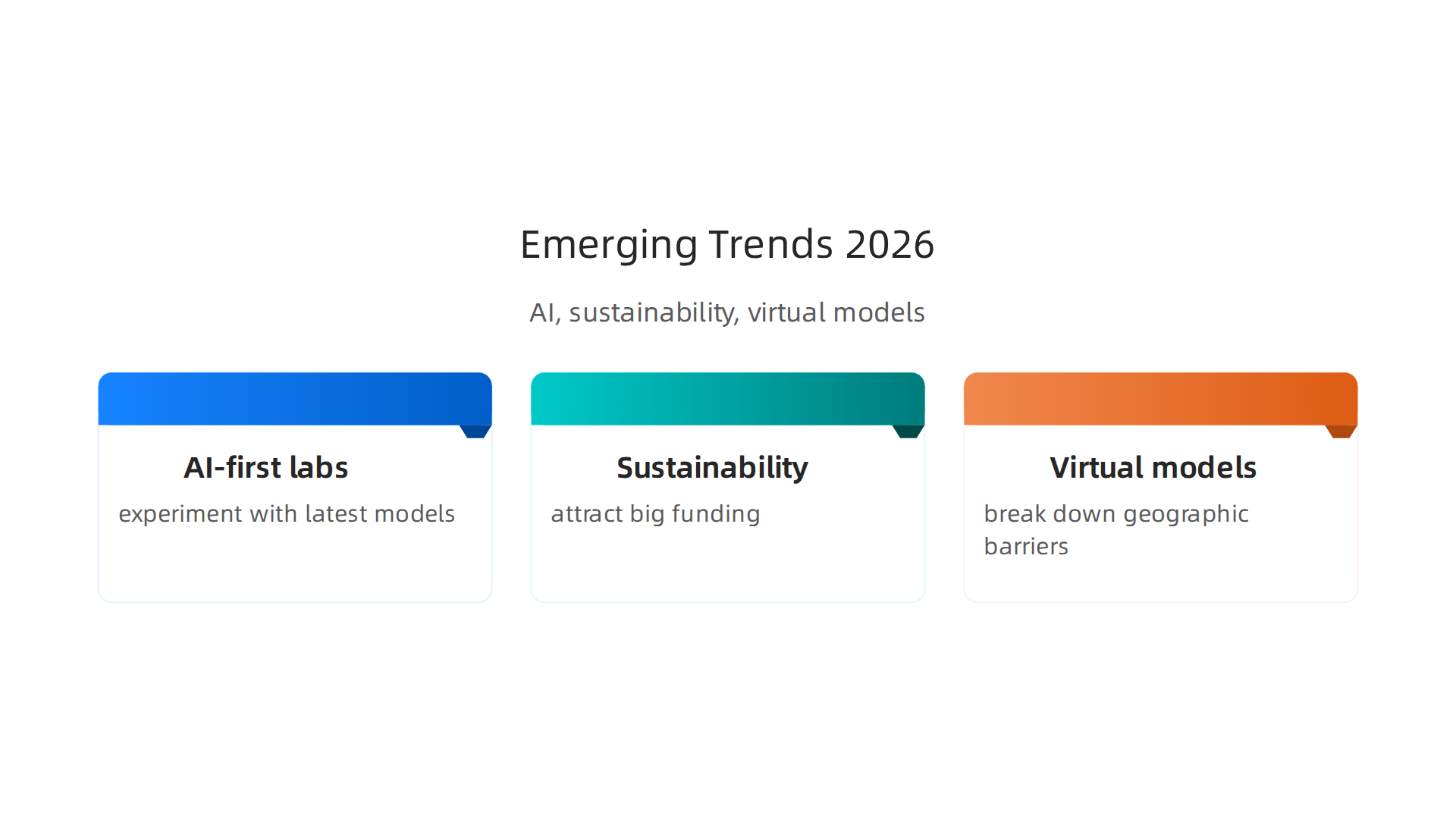
The top innovation centers we just covered are changing fast. In 2026, three big trends are reshaping what these hubs look like and how they operate.
If you are a founder or investor, understanding these shifts can help you pick the right place to build your next big thing.
AI-first innovation labs are now the standard
Almost every top innovation center now puts artificial intelligence at the center of its work. These labs focus on generative AI, robotics, and autonomous systems. They are not just talking about AI. They are building dedicated spaces where startups can experiment with the latest models and hardware.
Why the shift? Companies see massive returns from AI investments. One study estimated a 137% to 367% ROI over three years for AI-powered PCs alone. As AI drives demand, data center capacity is expected to more than double from 8.2 GW in 2026 to 21.4 GW by 2031. Innovation centers are responding by creating AI-first programs and labs. That is good news for founders working on anything from chatbots to self-driving tech.
Sustainability and deep tech attract big funding
Another major trend is the rise of sustainability-focused innovation centers. Some regions call these "venture tech parks," like the Albany Tech Corridor or the Gateway Tech Park in St. Louis. They focus on climate tech, clean energy, and health solutions. This is where deep tech meets real-world impact.
Corporate and government money is pouring into these areas. The 300 companies on this year’s Fortune list of America’s Most Innovative Companies brought in over $12.5 trillion in revenue. Many of them are investing in deep tech startups through innovation centers. These moves are covered in our list of the largest investment companies of 2026 and their impact on startups and investors. That strong financial backing creates a solid pipeline for founders with hard science ideas.
Virtual models break down geographic barriers
Not every founder can move to San Francisco or London. That is where virtual and decentralized innovation centers come in. These programs offer mentorship, funding, and networking online. They reduce the need for physical relocation.
Cities like Austin, Raleigh-Durham, and Salt Lake City have become smart talent hotspots, offering 30-45% cost advantages over traditional tech hubs. Virtual models allow founders in these cities to tap into the same resources as those in Silicon Valley. This trend makes innovation more inclusive. If you are a founder in a smaller city, you no longer have to move to succeed.
What this means for you
These trends affect your choice of innovation center. AI-first labs suit tech-heavy startups. Sustainability hubs work best for climate and health ventures. Virtual models give you flexibility no matter where you live.
To keep up with how these trends evolve, you need a reliable source of daily insights. The Deep View Newsletter delivers clear, no-fluff updates on AI and innovation every day. It helps you spot opportunities before they become obvious.
How to Get Involved with an Innovation Center: Practical Playbook for Founders and Investors
Now that you understand the trends shaping innovation centers in 2026, the next question is: how do you actually get involved? Whether you are building a startup or looking to invest, you need a clear plan. Here is a practical playbook for both sides.
For founders: research, pitch, and network
Your first step is to study the innovation center’s thesis.
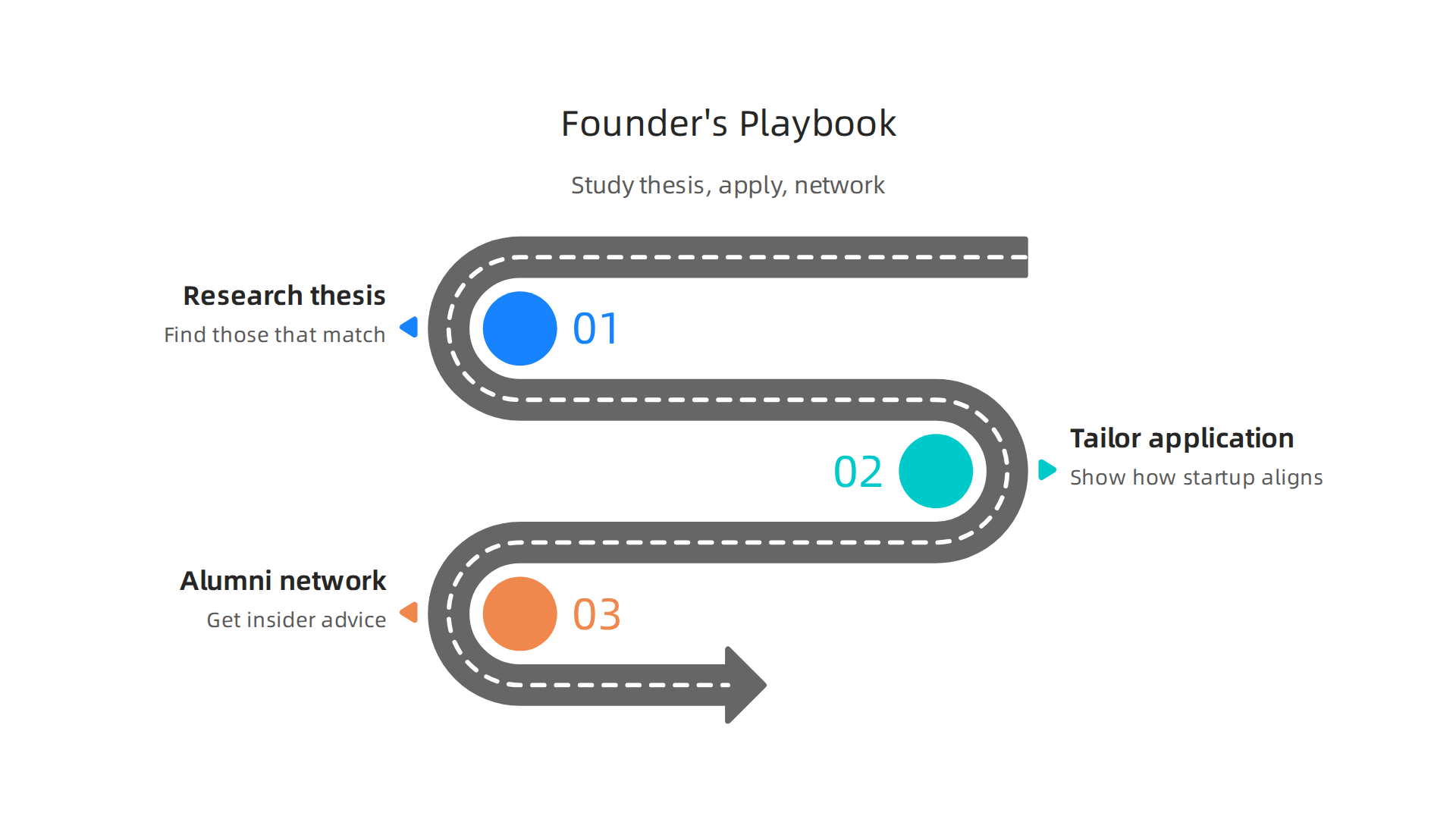
Every center has a focus. Some specialize in AI and robotics. Others target sustainability or health. Find the ones that match your startup’s mission. Look at programs like the Texas Innovation Center, which helps transform discoveries into companies. Or the Maryland Innovation Center, which offers mentorship and resources for entrepreneurs.
Once you find a good fit, tailor your application. Do not send the same generic pitch to every center. Show how your startup aligns with their strengths. Many centers, like the Idaho Innovation Center, accept applications for their business launch programs. Make sure your plan is clear and your goals match what they offer.
After you get accepted, use the alumni network. Previous graduates can give you insider advice, warm introductions, and even partnership opportunities.

Do not wait for them to reach out. Be proactive. Connect with alumni on LinkedIn or ask the center staff for introductions.
For investors: sponsor, advise, and scout
Investors have several creative ways to engage with innovation centers. You can join an advisory board. This gives you direct access to the most promising startups before they hit the open market. You also get to shape the center’s direction.
Another option is to sponsor demo days or pitch competitions. Your firm gets visibility, and you see 10 to 20 startups in one afternoon. Innovation centers like the Innovation Portal make it easy for investors to partner and support the pipeline. You can also treat the center as a scouting channel. Check in with center directors quarterly. Ask them which startups show the most traction.
If you are new to startup investing, understand how venture capital firms for small businesses find the right funding path in 2026. That knowledge helps you pick the right innovation center for your strategy.
For both: set clear expectations and track results
This is where most people slip. You need to define what success looks like from day one. For founders, that might be landing a pilot customer or raising a seed round within 12 months. For investors, it could be making one high quality deal per quarter or building a strong referral network.
Track engagement metrics over time. How many mentorship meetings did you attend? How many warm intros did you make? Review these numbers every quarter. If the relationship is not delivering, adjust or switch centers.
Finally, stay informed about the broader innovation landscape. The best opportunities often come from spotting shifts early. That is why we recommend signing up for the The Deep View Newsletter. It gives you clear daily updates on AI and innovation so you never miss a trend that could change your next move.
Case Studies: Innovation Center Success Stories That Prove the Model Works
Stories are better than promises. When you hear how real startups used an innovation center to grow fast and raise money, the whole concept clicks. Here are two examples that show what is possible.
GreenGrid Analytics out of the Texas Innovation Center
This startup focused on energy data for commercial buildings. They joined the Texas Innovation Center program in early 2024 with just a prototype. Within 18 months, they landed three pilot customers and raised $2.1 million in seed funding. The founder credited the center’s mentorship network for connecting them with industry experts who validated their product. The center also helped them refine their pitch deck, which directly led to investor interest.
MedConnect at the Maryland Innovation Center
MedConnect built a communication platform for small clinics. They applied to the Maryland Innovation Center after struggling to find early adopter customers. Through the center’s business launch program, they got matched with a mentor who had deep healthcare experience. That mentor introduced them to a regional hospital system for a pilot. Revenue went from zero to $340,000 in the first year. The founder said the warm introductions were worth more than any office space.
What these stories teach us
Both startups hit the same pattern. They found an innovation center that matched their industry. They used the structured programs and mentorship instead of trying to go it alone. And they followed up on every connection the center offered.
If you want to see this model work for your startup, start by looking at the venture capital firms for small businesses find the right funding path in 2026 guide. It helps you understand what investors look for after you leave the center.
The results are real. You just need to take the first step.
For a daily dose of what is working in AI and startup innovation, check out the The Deep View Newsletter. It keeps you ahead of the trends that drive these success stories.
Summary
This article explains what innovation centers are, why they matter in 2026, and how founders and investors can use them to accelerate growth. It breaks down the main types—corporate, university, government, venture tech parks, and specialized hubs—and clarifies how centers differ from short-term accelerators and incubators. You’ll learn the concrete value centers provide: non-dilutive funding pathways (like SBIR/NSF programs), hands-on mentorship, pilot customers, and curated deal flow that attracts investors. The guide covers how investors judge centers (survival rates, follow-on funding, corporate partnerships), highlights top global and regional centers to watch, and maps three major trends—AI-first labs, sustainability focus, and virtual models. Practical steps show founders how to research, apply, and leverage alumni networks, and how investors can sponsor, advise, and scout effectively. Real case studies illustrate results, and the piece emphasizes tracking metrics to pick centers that truly deliver.