
The Real Definition of Technology That Startup Founders and Investors Need
Most people use the word "technology" every day. They talk about the latest gadget, a new app, or a fancy software tool. But here is the thing. The real definition of technology goes much deeper than your smartphone or laptop. If you are building a startup or making investment choices, a fuzzy idea of what technology actually means can lead to bad decisions.

You might chase a shiny tool instead of a real, lasting solution.
So what does technology really mean? The word comes from ancient Greek roots. "Techne" means art, skill, or craft. "Logia" means a branch of learning or systematic treatment. Put them together, and technology originally meant the systematic study of a skill or craft. The Online Etymology Dictionary notes that the term entered English in the 1600s as "a discourse or treatise on an art or the arts."

Over time, its meaning shifted. Today, we often use it to describe the tools and machines themselves. But a more useful definition of technology includes the entire process: the knowledge, the methods, and the systems we use to solve practical problems.
This deeper view matters a lot for anyone in the startup world. When you understand the technology background of a new product, you can see past the hype. You can ask better questions. Does this solution truly apply knowledge in a new way? Or is it just a repackaged old idea? A clear definition helps you spot real innovation. It also helps you decide where to focus your time and money. For example, when you evaluate a funding opportunity, you need more than a cool demo. You need to see if the team is using technology as a systematic method to create value.
In this article, we will break down the definition of technology from several angles. We will look at its history, its modern layers, and how to apply this understanding in the real world. We will connect it to ideas like exploratory data analysis and what a data science major teaches you about systematic problem solving. By the end, you will have a practical definition that you can actually use to guide your startup or investment strategy.
Staying informed about technology is a full-time job. That is why many smart founders and investors rely on a daily dose of curated insights. The The Deep View Newsletter delivers clear, actionable updates on artificial intelligence and emerging tech every day.

It helps you cut through the noise and focus on what really matters for your business.
What is Technology? A Foundational Definition
So we know the word comes from ancient Greek roots like techne (art, skill) and logia (study). According to the Online Etymology Dictionary, the term entered English in the 1600s meaning "a discourse or treatise on an art or the arts." The Wikipedia article on technology confirms this early meaning of "systematic treatment."

But what does that mean for you today?
The Classical Definition: Applied Knowledge
The classical definition of technology focuses on one core idea: using knowledge to solve practical problems. The word comes from two Greek words: techne (art, skill, craft) and logos (word, study, systematic thought). Put them together, and you get the systematic study of a skill or craft. Oregon State University’s engineering page explains that techne even means "the way, manner, or means by which a thing is gained."
In this view, technology is not just the final gadget. It is the whole process. It includes the knowledge, the methods, the tools, and the skills needed to turn an idea into something useful. A JSTOR Daily article notes that the word was coined in English in the seventeenth century, and its meaning has expanded over time.
The Modern Definition: Systems and Information
In 2026, the definition of technology has grown to include digital systems, software, and information processing. When we talk about technology today, we usually mean:
- Hardware like phones and servers
- Software like apps and operating systems
- Networks like the internet
- Data analysis tools that find patterns
- Artificial intelligence systems that learn
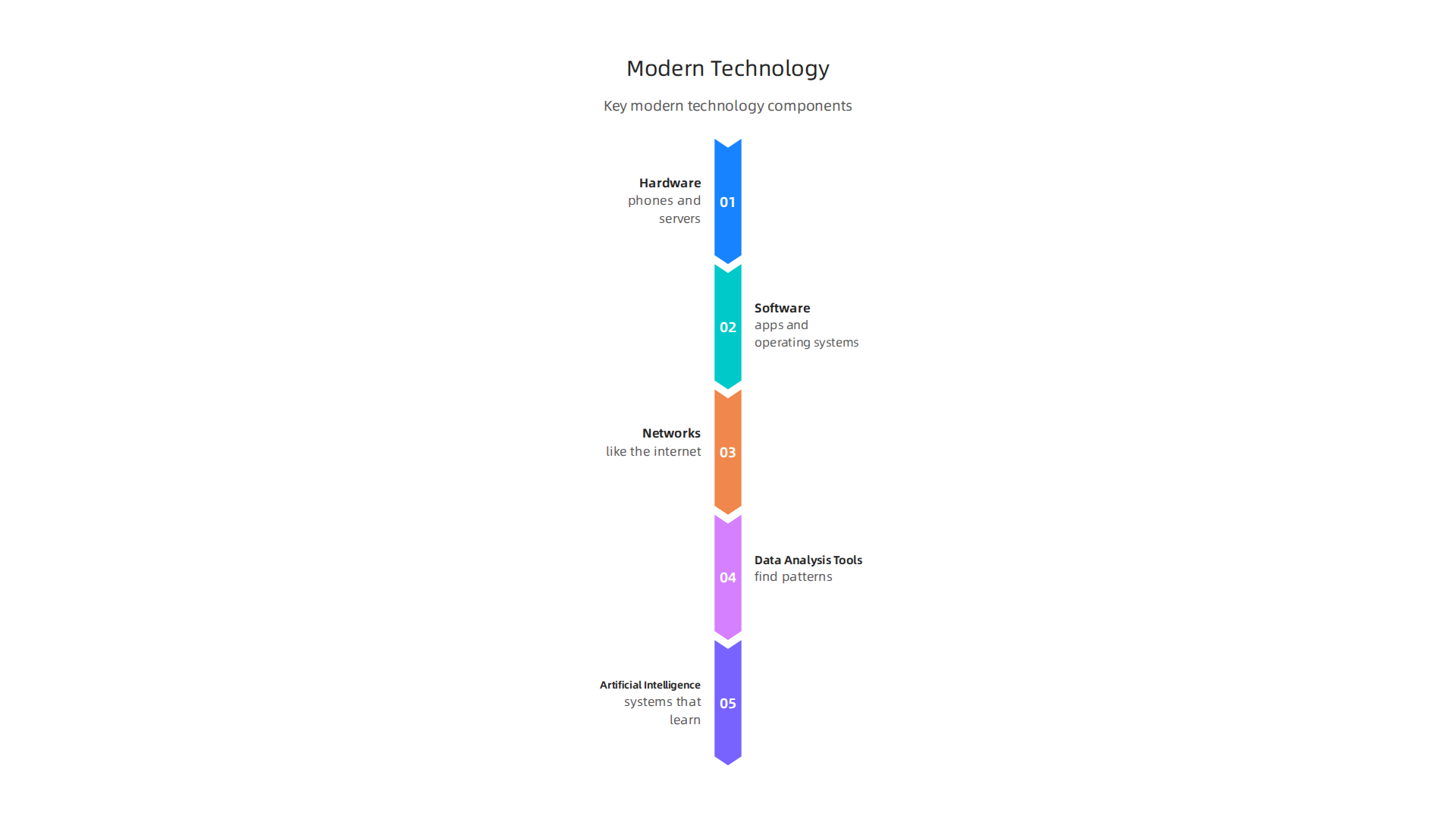
This modern view matches what you see in fields like exploratory data analysis and what a data science major teaches you. Those fields are all about using systematic methods to extract knowledge from data. That is technology in action.
Why This Matters for Your Work
A clear definition of technology helps you make smarter choices.
When you evaluate a startup, do not just look at the shiny app. Ask about the technology background of the team. Do they understand the systematic process? Are they applying knowledge in a new way, or just copying what exists?
Understanding this definition also helps you see how exploratory data analysis fits into the bigger picture. It is not just a buzzword. It is a technological method for finding value in raw data.
Staying sharp on these definitions is tough because tech changes fast. That is why many founders and investors subscribe to the The Deep View Newsletter. It delivers clear, daily updates on AI and emerging tech so you can keep learning without the noise. This is a great way to build your technology background every day.
For more on how technology vocabulary affects our thinking, check out our article on understanding how AI interprets the definition of technology. It digs into the subtle ways machines understand our words.
The Evolution of Technology: From Tools to Data Science
Now that we have a clear definition of technology, let’s look at how it has changed over time. Every era has taken the core idea of using knowledge to solve problems and pushed it further.
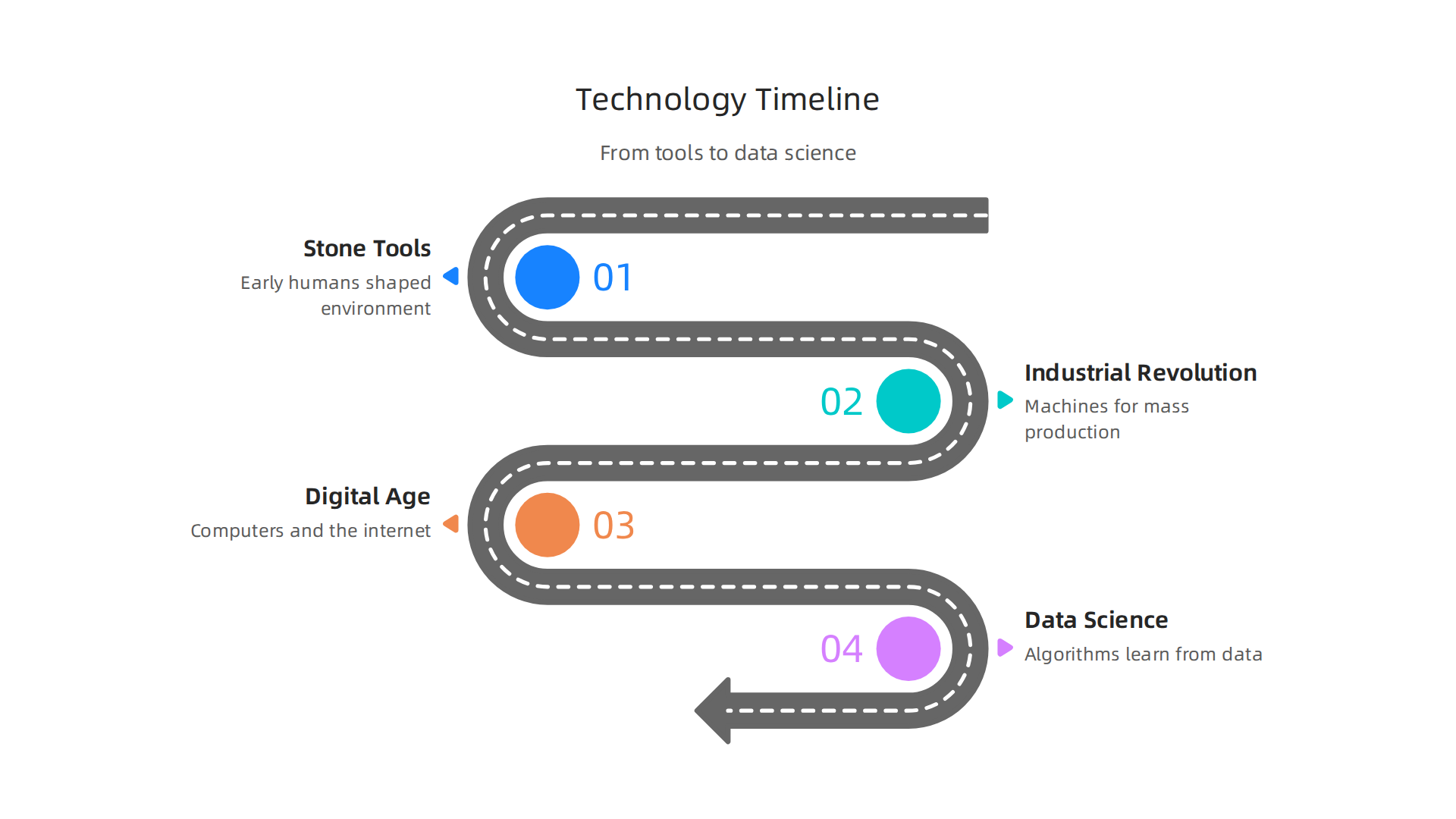
The first technologies were simple stone tools. Early humans used sharp rocks to cut, hunt, and build. That was technology in its most basic form. The Wikipedia article on technology history notes that these early tools marked the beginning of humans shaping their environment.
Then came the industrial revolution. Steam engines, factories, and mass production changed everything. Machines could do the work of hundreds of people. The definition of technology expanded from handcrafted skills to large mechanical systems. According to the World Economic Forum, process automation and the future of connectivity are direct descendants of that industrial mindset.
The digital age brought computers and the internet. Suddenly, information became the raw material. The definition of technology grew again to include software, networks, and data processing. This shift gave rise to fields like exploratory data analysis, where you use computational tools to find patterns in large datasets. Companies now rely on these methods to make decisions faster than ever.
Today, we are in a new paradigm shift. The rise of data science and artificial intelligence is redefining what technology means once more. Algorithms learn from data. Machines make predictions. Systems improve themselves. This is why a data science major is one of the most sought after degrees in 2026. It teaches you to build and manage these intelligent systems.
If you are a founder or investor, your technology background needs to include an understanding of AI and data. The old tools were about physical power. The new tools are about mental power. The Deloitte Tech Trends 2026 report highlights how organizations are moving from experimentation to real impact with AI.
That is where the opportunity lies.
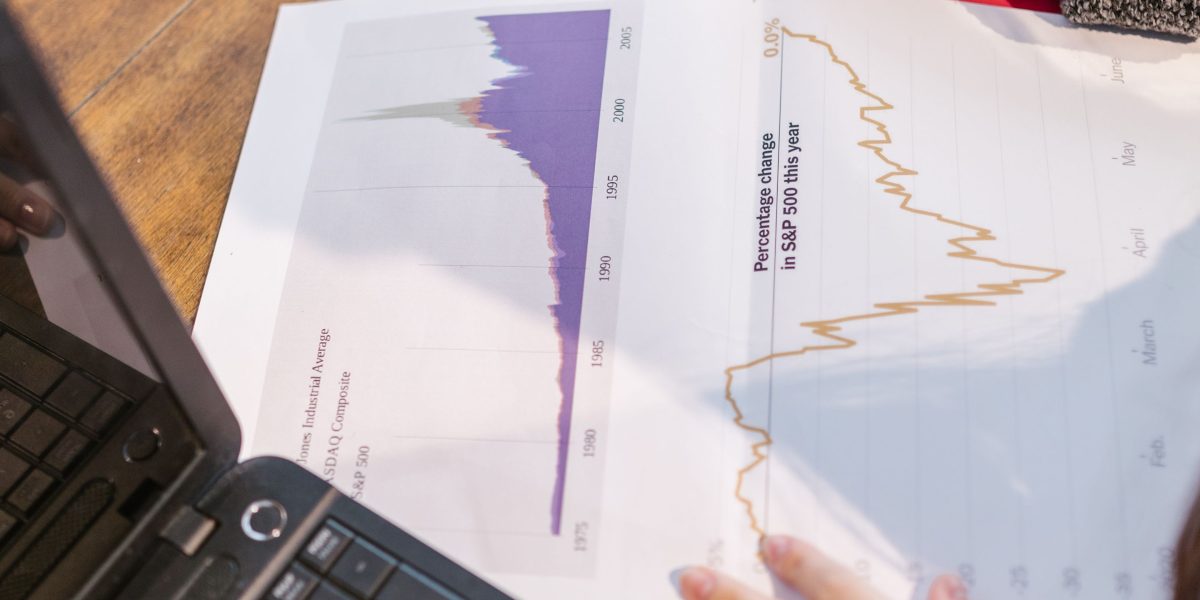
For example, understanding how to build a data pipeline or perform exploratory data analysis can help you spot market gaps before your competitors.
It is a skill that separates the average startup from the breakout success. If you are curious about building this skill, check out our guide on how to land a data analyst internship in 2026. It covers the exact steps to get started.
The evolution from stone tools to data science is not just history. It is a map of where technology is heading next. Each era builds on the last. The definition of technology keeps expanding.
To stay ahead of these shifts, you need a steady stream of clear, actionable insights. That is exactly what The Deep View Newsletter delivers every day. It cuts through the noise and gives you the AI and tech trends that matter. Subscribe today and make the next era work for you.
Technology in the Age of Data Science and AI
So what does the definition of technology look like today? It is not just about machines or computers anymore. In 2026, technology means turning data into decisions.
At the heart of this shift is data science. According to Wikipedia, data science is "a concept to unify statistics, data analysis, informatics, and their related methods" to understand real phenomena using data. Harvard describes it as a field that uses scientific methods to extract knowledge from data. And AWS calls it the study of data to get meaningful insights for business. All of these point to one thing: data science turns raw information into something you can act on.
Think about that for a second. Instead of building a hammer or a steam engine, you are building algorithms that learn from data. That is a huge leap. The definition of technology now includes intelligent information processing. You feed data into a system, and it spits out predictions, trends, or recommendations. This is what exploratory data analysis does. It helps you find hidden patterns before you even know what to look for.
Then you add artificial intelligence and machine learning. These systems do not just sit there waiting for a command. They adapt. They improve over time. According to IBM, data science combines advanced analytics, AI, and machine learning to build predictive models. That moves technology from a passive tool to an active partner in decision making.
This is why having a technology background that includes data skills matters so much in 2026. The Deloitte Tech Trends 2026 report shows that successful organizations are moving from testing AI to making real impact with it. They are not just experimenting. They are building core systems that run on data.
For founders and investors, this changes everything. You do not need to be a coder, but you do need to understand how data science changes your business model. For example, imagine you run a startup that connects freelancers with gigs. With exploratory data analysis, you can spot which skills are growing fastest and adjust your platform before your competitors do. That is the kind of advantage data gives you.
If you are thinking about entering this field, a data science major is a strong path. But even without a degree, you can learn the basics. The key is to start applying these ideas to real problems. To see how data and AI come together in tools you can use today, check out our guide on how to discover startup project opportunities using AI and data analytics. It walks through practical ways to put this knowledge to work.
The age of data science and AI is not coming. It is already here. The definition of technology has grown to include systems that think, learn, and adapt. To keep up with these fast changes, you need a reliable source that cuts through the hype. That is where The Deep View Newsletter comes in. It delivers daily insights on AI and tech trends so you never miss what matters. Subscribe now and stay ahead in this new era.
Why a Clear Definition of Technology Matters for Startups and Investors
You have seen how the definition of technology now includes intelligent systems that learn from data. That shift is exciting. But here is the thing. If you are building a startup or investing in one, a fuzzy definition of technology can cost you real money.
Let me explain why.
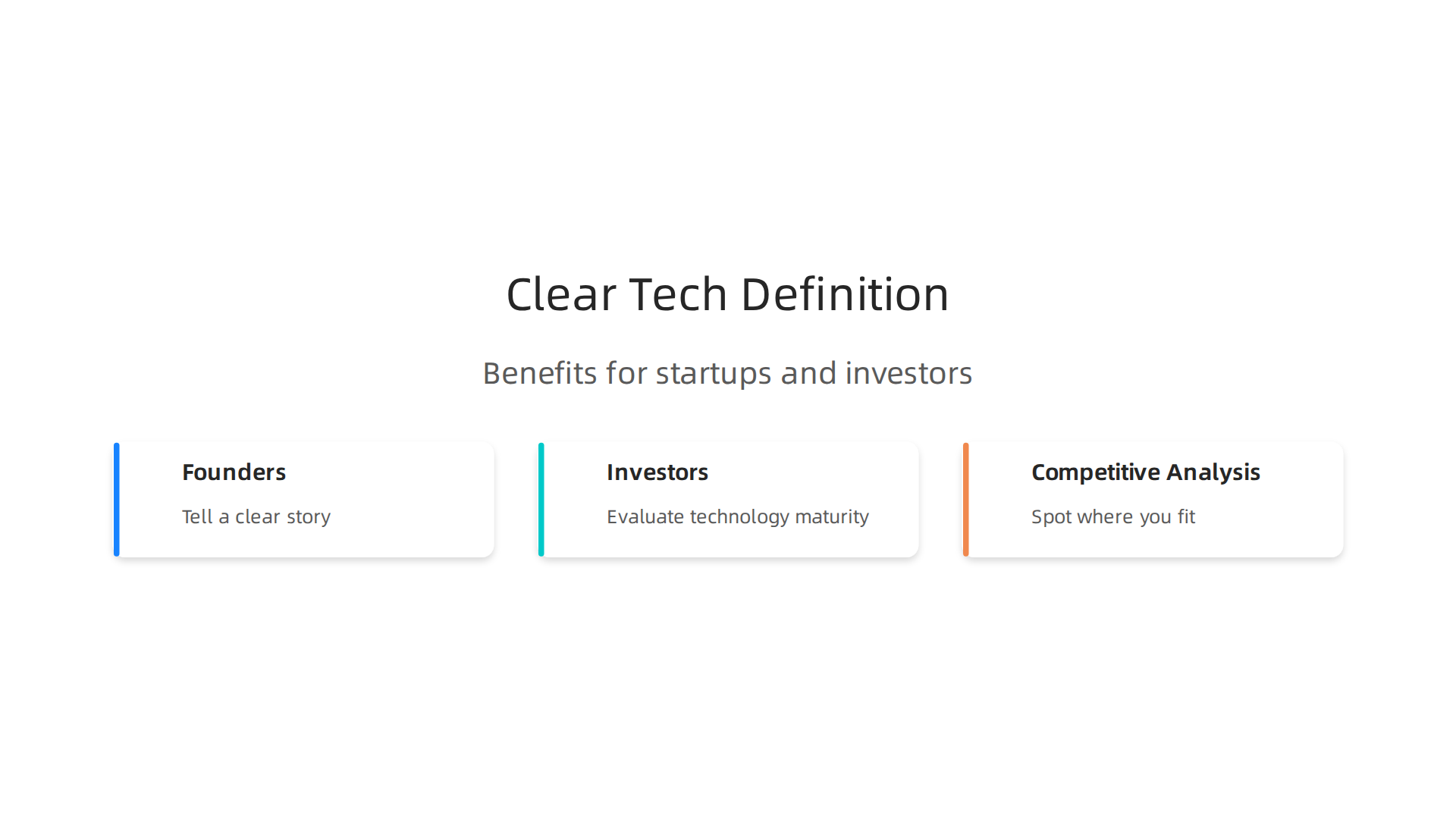
Founders Need to Tell a Clear Story
When you pitch to investors, you cannot just say "we use AI."

Every startup in 2026 says that. You need to explain what your technology actually does and why it matters. Investors go through a detailed due diligence process to weed out risky bets. They look for solid business plans and clear product demand.
If you cannot define your technology clearly, you look like a risk. A founder who understands the definition of technology can explain exactly how their system processes data, makes decisions, and creates value. That builds trust fast.
Investors Evaluate Technology Maturity
Here is where things get real. Investors do not just listen to your pitch and write a check. They perform a thorough assessment of your technology to validate your claims and identify risks. According to Ashton Solutions, technical due diligence covers your technology, finances, product, and architecture.
When you have a precise definition of technology, you can show investors exactly where your system stands. Is it a prototype? Is it scaling? Does it actually learn from new data? If your technology background is strong enough to explain these stages, you pass the test. If not, you lose the deal.
This is where understanding concepts like exploratory data analysis helps. When you can show that your system finds hidden patterns in real data, investors see maturity. They see something that works, not just a theory.
Competitive Analysis Gets Easier
Here is the part most founders miss. A clear definition of technology helps you see where you fit in the market. If you know exactly what your technology does and what it does not do, you can spot competitors who are faking it.
Most investors will look at the startup market landscape during their due diligence. They want to know how your technology compares to others. If you can explain your unique approach, backed by real data, you stand out.
A data science major or self-taught skills in data analysis give you an edge here. You can show investors that your technology is not a copycat. It is built on actual insights from data.
What This Means for You
Whether you are a founder or an investor, the definition of technology is not just an academic idea. It is a practical tool. It helps you communicate clearly, pass due diligence, and position yourself in the market.
For a deeper look at how technology due diligence works in practice, check out our guide on venture capital firms for small businesses. It covers what investors actually check before funding.
And if you want to stay ahead of how technology is changing the startup world, subscribe to The Deep View Newsletter. It gives you daily insights on AI and tech trends so you never get left behind.
A Data Science Perspective: Technology as Information Processing Systems
Now let’s look at technology through the eyes of a data scientist. Most people picture technology as hardware, software, or gadgets. That is true, but it misses something important.
Data science frames technology differently. It sees technology as systems that collect, store, process, and analyze data.
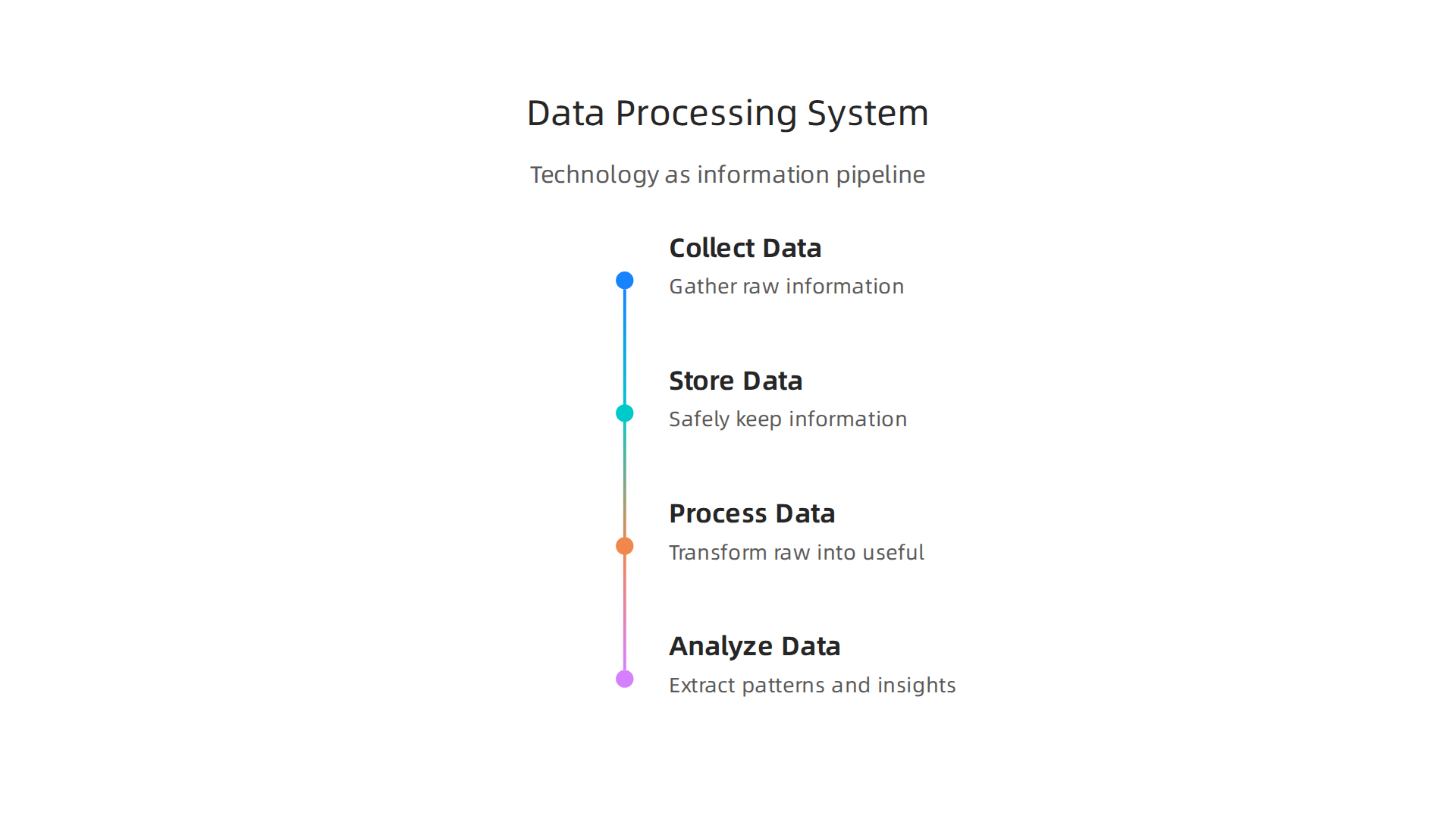
Data science is a field that combines statistics, analysis, and computing to understand real phenomena using data. So when you have a smartphone app, a cloud platform, or an AI model, you are really looking at a data processing system.
This view fits perfectly with the definition of technology as applied knowledge. Think about it. Technology takes raw data and turns it into useful information. That is applied knowledge in action. A weather app does not just show numbers. It collects data from satellites, processes it, and gives you a forecast. That is a system designed to process data for a real world need.
What makes this perspective so powerful in 2026 is that data is at the center of almost every modern technology. AWS defines data science as the study of data to extract meaningful insights for business. That means startups and investors can examine a technology by asking one simple question: How does this system handle data?
This leads us to exploratory data analysis. That is the process of looking at raw data to find patterns before making any assumptions. A startup with a strong technology background will use exploratory data analysis to understand their users, spot trends, and build better products. They do not guess. They look at what the data says first.
If you have a data science major on your team or you have learned these skills yourself, you already think this way. You see every piece of technology as a system that processes information. That mindset helps you evaluate startups faster. You can tell whether a company’s technology actually uses data or just talks about it.
For founders, this perspective changes how you build. Instead of buying random tools, you focus on systems that collect clean data, store it safely, and process it to deliver insights. That is how you create real value.
For investors, this view helps you spot the difference between hype and real technology. A system that actually processes data to produce useful outputs is a real technology. A system that just looks flashy but cannot explain its data flow is probably a risk.
This data driven approach to understanding technology gives you a clear edge. To see how startups are using data analysis to solve real problems, check out how to discover startup project opportunities using AI and data analytics. It shows exactly how data processing turns into business value.
The world of technology is moving fast. If you want to stay up to date on how AI and data science are reshaping startups, subscribe to The Deep View Newsletter. It gives you daily, clear insights so you never miss the big picture.
Future Directions: Emerging Technologies and Changing Definitions
We have seen how technology processes data. But the definition of technology is not stuck in the past. In 2026, new breakthroughs are pushing what we call technology into entirely new territory. If you have a data science major background, you already understand data driven systems. But the definition is about to get much bigger.
Think about quantum computing. It uses the strange rules of quantum mechanics to solve problems that even the fastest supercomputers cannot handle. The World Economic Forum lists next generation computing as a key trend for the next decade. This is not just a faster laptop. It is a whole new way of applying knowledge. That changes the definition of technology because it opens doors to computing that we once thought impossible.
Then there is biotechnology. It takes biological processes and turns them into products. Things like gene editing, synthetic biology, and lab grown meat. These are not traditional hardware or software. They are living systems engineered for a purpose. Your technology background might not have covered DNA as a code base, but that is exactly what biotech does. It treats biology as something we can design and build.
Neurotechnology is perhaps the most mind bending. Brain computer interfaces let people control devices with their thoughts. This blurs the line between human and machine intelligence. When a computer chip can interpret your neural signals, where does the human end and the technology begin? According to the top 2026 trends forecast, breakthroughs in AI and neural interfaces will shape the next decade.
These emerging technologies force us to ask deeper questions. Future definitions of technology may include ethical and societal dimensions. A tool that harms the environment or exploits people might not qualify as good technology. The Deloitte Tech Trends 2026 report shows how organizations are moving from just experimenting to making a real impact. That means the definition of technology will soon include how a system affects the world, not just what it does.
If you want to understand how AI is already changing what words and meaning mean, check out our article on how AI understands meaning beyond keywords. It connects directly to this shift in definitions.
The future is coming fast. To keep up with quantum, biotech, neurotech, and the ethical questions they raise, subscribe to The Deep View Newsletter. You will get daily, clear updates so you never miss the next big change in what technology really means.
Summary
This article redefines technology beyond gadgets to mean the systematic use of knowledge, methods, and systems to solve practical problems. It traces the term from its Greek roots through industrial and digital revolutions to today’s data‑and‑AI driven paradigm, showing how modern technology includes hardware, networks, software, data pipelines, and learning systems. For founders and investors the piece explains why a precise technology definition matters for pitching, due diligence, competitive analysis, and product design. It links data science and exploratory data analysis to real startup value, outlines how to assess technology maturity, and points to future shifts like quantum and biotech. Readers will learn how to ask better technical questions, evaluate startups more rigorously, and build practical data skills to make smarter funding or product decisions.