Unlock Shield AI Careers Excelling in Defense AI Hiring 2026

The world of work is changing faster than ever, especially in 2026. Artificial intelligence, or AI, is at the heart of this big shift.

More and more companies are looking for people who understand AI, making shield ai careers and other AI jobs very important right now. It is a booming field, and many smart people want to be a part of it.
Actually, the demand for people with AI skills grew by a huge 142% in just one year, leading up to early 2026. This shows just how quickly companies need AI talent What Smart Leaders Are Doing. This rapid growth means there is a lot of competition for specialized roles, like those for data analyst remote jobs or AI engineers. Companies like Shield AI are always looking for the best and brightest.
What does this mean for you, whether you are a founder, an investor, or someone looking for an AI job? It means you need to pay close attention to company culture and hiring signals. Places like Shield AI often look for specific skills and a certain kind of person to join their team. They want people who not only have technical smarts but also fit well with their mission. Knowing what these companies value can help job seekers build a stronger data scientist resume and stand out. It is not just about having a great tech interview handbook answer; it is about showing your true skills and how you can help the company grow.
Even if some people joke about "tech bros," the truth is that many top AI companies are looking for diverse thinkers who can solve real problems. Understanding how to present your experience and skills in the best light is key.
Staying informed about these fast changes is crucial. To get daily updates and deeper insights into the world of AI, consider subscribing.
The AI Newsletter Worth Reading
Learning about AI is a smart move for anyone involved in startups and technology today. If you want to dive deeper into this field, you can explore resources that teach you how to learn AI for founders, investors, and technologists.
State of AI hiring in 2026: demand, specializations, and where Shield AI fits
So, what exactly are these high-demand skills and jobs in the AI world of 2026? It is clear that the AI job market has changed. Instead of general knowledge, companies now want very specific skills. This year, the most sought-after jobs are those that can turn AI ideas into real business results AI job market 2026: which roles are in highest demand.
Here are some of the top AI jobs in demand right now:
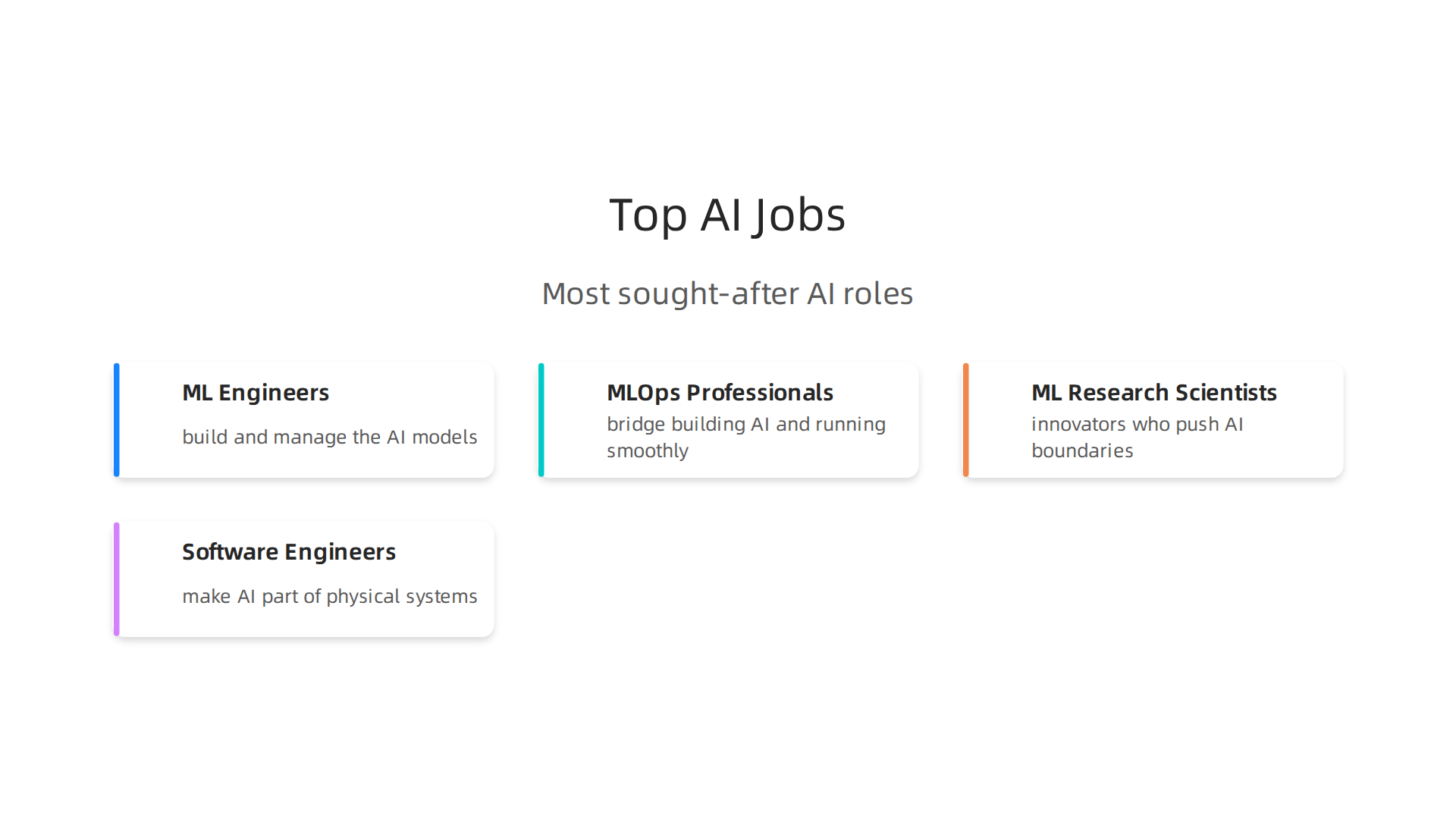
- Machine Learning (ML) Engineers: These folks build and manage the AI models. They make sure the AI actually works and can learn from data.
- MLOps Professionals: Think of them as the bridge between building AI and making it run smoothly in the real world. They handle the operations side of machine learning.
- ML Research Scientists: These are the innovators who push the boundaries of what AI can do, exploring new ideas and algorithms.
- Software and Systems Engineers (especially for embedded and defense AI): These engineers work on making AI part of physical systems, like drones or robots. For companies focused on defense AI, like Shield AI, these roles are very important. They need people who can build AI that works safely and reliably in critical settings.
The good news is that hiring for AI roles, especially technical ones, is going up. In fact, AI engineering jobs have shown the fastest growth among many technical roles AI Drives Surge in Technical Hiring, But Early Career …. This means if you are looking for shield ai careers or other top AI jobs, focusing on these specialized areas can give you a big advantage.
Companies like Shield AI look for people with deep technical knowledge. They are often interested in candidates who can show experience in areas like robotics, secure software development, and aerospace systems. For these kinds of specialized roles, a generic data scientist resume might not be enough. You need to highlight your unique skills that fit their specific needs.
Even data analyst remote positions in AI often require a strong grasp of how data feeds into machine learning models and how to manage that data effectively. The job market in 2026 shows that companies are increasingly looking for people who not only understand AI but can also apply it to solve complex, real-world problems in very specific ways AI reshapes global labour market into two distinct paths … – PwC.
To succeed in this changing landscape, it is helpful to really focus on mastering your skills and knowing how to show them. Thinking about these specific roles can help you prepare for a strong tech interview handbook review and build a career that truly stands out in the AI world. If you’re keen on understanding the larger picture of how AI and data drive business, you might find it helpful to explore resources on Mastering AI and Data Business Strategy for 2026 Growth.
Building on the idea of specialized AI skills, let’s zoom in on what a career at a leading company like Shield AI truly involves. For those looking for shield ai careers, it’s clear that the roles are very focused. Shield AI often has many open positions, with hundreds listed across different platforms in 2026 Shield AI Jobs.
At Shield AI, you’ll find teams working on different parts of making AI smart and safe for defense. Here are some of the typical teams and their main jobs:
- Autonomy and Perception: These engineers teach AI systems to "see" and "understand" their surroundings, just like a human would. They make sure the AI knows what’s around it and can make smart choices. Roles here might include experts in autonomy and motion planning Shield AI jobs on JobLarper.
- Systems and Software Engineering: This group builds the actual machines and programs that the AI will run on. They are vital for making sure the AI works smoothly and safely in real-world tools, like drones. You might see roles such as flight controls engineers or senior software engineers on their jobs page Shield AI: Jobs.
- Safety and Compliance: Because Shield AI works in defense, making sure AI systems are safe, reliable, and follow all the rules is super important. These teams ensure everything is tested thoroughly and meets strict standards.
If you are interested in joining Shield AI, a good first step is to visit their official Careers at Shield AI page. This is where they often post their latest job openings and share more about their mission.
When applying for shield ai careers, a general data scientist resume might not be enough. Companies like Shield AI look for candidates who have shown real-world experience and very specific skills in areas like robotics, secure software, and aerospace. They need people who can solve complex problems. Even for data analyst remote positions, you’ll likely need a strong understanding of how data feeds into and supports advanced AI models. Getting ready for a tech interview handbook review that covers these specialized areas will give you a big boost.
If you are a technologist or founder who wants to keep up with how AI is changing all the time, staying informed is key.
You can get clear daily AI updates that explain the latest trends and changes.
The AI Newsletter Worth Reading
Moving beyond just listing job titles, let’s talk about the exact skills and experiences that truly help you stand out for advanced AI roles. It’s not just about having a general background in technology; it’s about showing what you can really do.
Skills and experience that move the needle: technical, product, and soft skills for AI roles
When you apply for a job in specialized AI, like with shield ai careers, your resume needs to show very specific strengths. A basic data scientist resume might not be enough. Companies are looking for people who have both core technical knowledge and special skills that set them apart.
Must-have technical skills
To get started in AI, you need strong basic technical skills. Think of these as your building blocks:
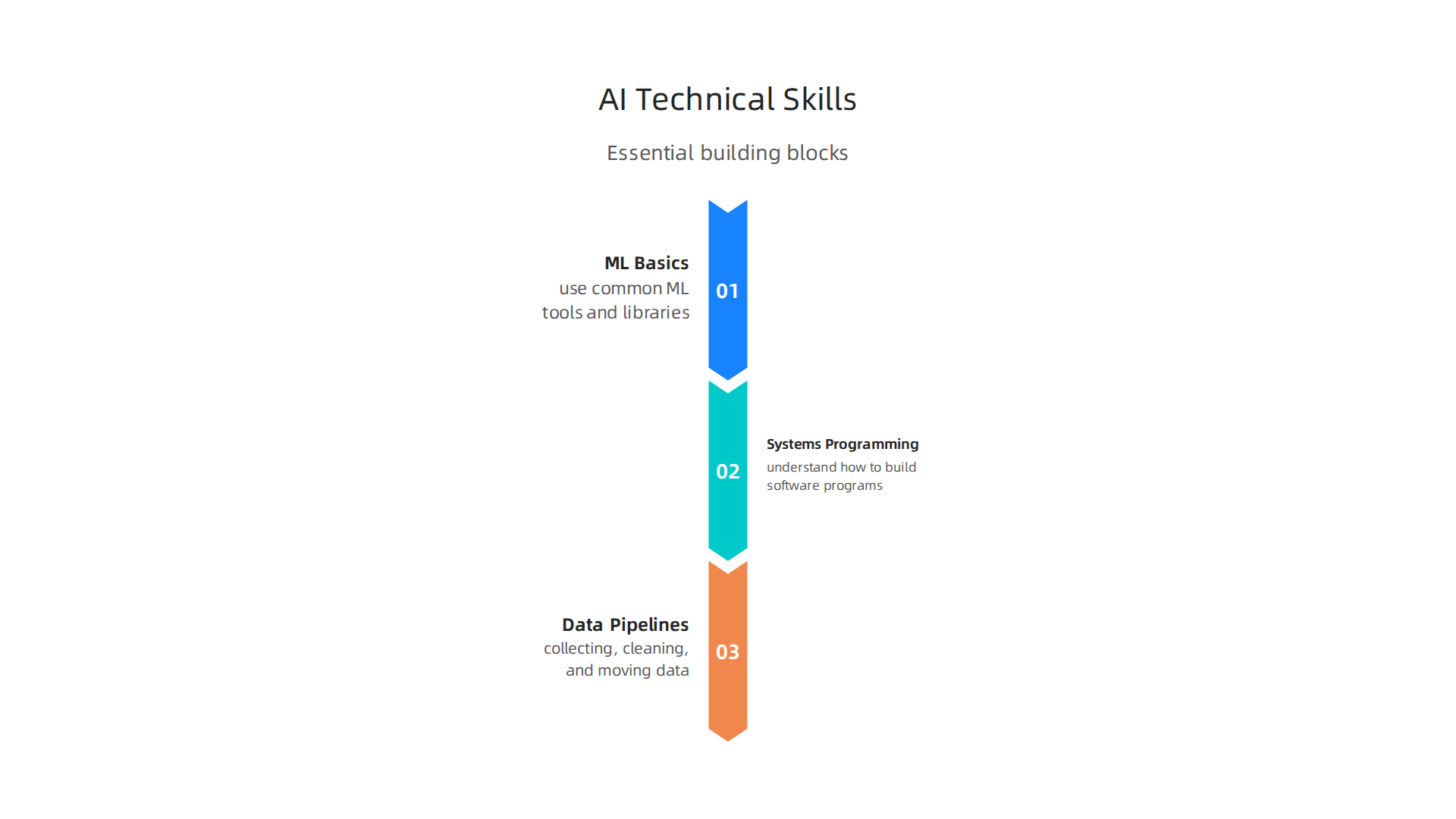
- Machine Learning Basics: You should know how to use common machine learning tools and libraries like Python. Being able to work with these tools for at least three years is often preferred for important roles in 2026 AI Job Market Trends – June 2026.
- Systems Programming: This means you understand how to build and run software programs that work well with computer hardware.
- Data Pipelines: Knowing how to build a modern data pipeline is key. This involves collecting, cleaning, and moving data so AI models can use it. Understanding how to build your modern data pipeline for startup success is a valuable skill.
What makes you stand out: special skills
Beyond the basics, certain skills can make your application shine, especially for companies working on important AI projects:
- Safety First: In defense-related AI, making sure systems are safe and reliable is not just a nice-to-have, it’s a must. If you have experience making sure AI works without harm and follows strict rules, that’s a big plus.
- Hardware Integration: Many AI systems, like drones, need to work directly with physical machines. Experience with making software and hardware work together smoothly is very important.
- Autonomy: This is about teaching AI to make smart choices on its own. If you’ve worked on projects where AI learns to navigate or solve problems independently, highlight that.
Product sense and working with others
It’s not all about coding. How you think about what you’re building and how you work with people matters a lot too:
- Product Sense: This means you understand why you’re building something and who it’s for. It’s about seeing the bigger picture of how your AI solution will help users or solve a real problem. When you show off your AI projects, treat your project’s description like a product page to impress recruiters 10 AI Portfolio Examples That Impress Recruiters (2026 Guide).
- Teamwork: AI projects are often big and need many different kinds of experts. Being able to work well with engineers, scientists, and even non-technical people is vital. You’ll need to share your ideas clearly and listen to others.
- Security and Rules: For defense AI, knowing about security and following government rules (compliance) is super important. This helps make sure AI systems are used responsibly and cannot be easily misused.
When preparing for your interviews, remember to look over a tech interview handbook that covers not just coding but also system design and how AI has changed these systems in 2026 The AI Engineer Interview Playbook for 2026. Even for jobs like a data analyst remote position, showing how your data skills support complex AI models will make your application much stronger. Your resume and projects should focus on showing what you’ve actually built, how it works in a real setting, and the results it achieved.
Now that we’ve talked about the important skills for advanced AI jobs, let’s look at how to show those skills off. Your resume and portfolio are your chance to prove what you can do.

For shield ai careers, your application needs to be very clear and show real results.
Resumes and portfolios for Shield AI roles: structure, keywords, and proof points
When you are aiming for roles at a company like Shield AI, you can’t just list what you know. You need to show what you’ve built and achieved. Think of your resume not just as a list of jobs, but as a story of your impact.
How to build a strong resume
Your resume is the first thing recruiters see. Make it easy for them to find what they’re looking for, especially if they use special software to scan for keywords. A good data scientist resume for AI roles should:
- Focus on Projects and Results: For each job or project, don’t just say what you did. Say what problem you solved and what the outcome was. For example, instead of "Worked on an AI model," say "Built an AI model that made [specific process] 20% faster, saving [amount of money or time]." This way of writing helps you stand out and shows you’re ready for production The AI Engineer’s Resume Guide.
- Use Keywords Wisely: Look at the job description for
shield ai careersvery closely. Pick out important words like "autonomy," "MLOps," "safety-critical systems," or "hardware integration." Make sure these words appear naturally in your resume, especially in your project descriptions and skills section. This helps your resume get past early screening tools 21 AI Engineer Resume Examples & Guide for 2026. - Keep It Clear and Short: Most recruiters want resumes that are one or two pages long. Avoid fancy layouts that might confuse scanning software. Simple is best for getting your important skills noticed Tips for Passing AI Resume Screening as a Junior Developer.
Making your portfolio shine
Your portfolio is where you really show off. It’s not just a collection of your work; it’s proof of your skills. For AI jobs, your portfolio should include 3 to 5 projects that demonstrate different skills in the AI process, from gathering data to making sure it works in the real world Ultimate Guide to AI Engineering Portfolios.
- Show What You’ve Built: Share links to your code, like on GitHub. But don’t just share code. Include a clear explanation (a "README" file) for each project. This explanation should say what problem you tried to solve, how you did it, and what the results were. You can even include a short video or pictures to show your project working Build an AI Portfolio That Gets You Hired in 2026.
- Offer Demos: If you can, make your projects live and easy to try out. A working demo shows that your AI solution isn’t just an idea, but something that actually functions.
- Highlight AI-Specific Skills: Remember those special skills we talked about earlier, like "agent orchestration" or "production observability"? Make sure your projects clearly show you have these important abilities 15 AI Engineer Skills Every Hire Should Have in 2026.
By putting together a strong resume and portfolio, you show companies like Shield AI that you’re not just skilled on paper, but you can also deliver real-world AI solutions. If you want to dive deeper into how AI is changing business strategies, check out our guide on Mastering AI and Data Business Strategy for 2026 Growth.
Want to stay on top of the latest AI trends and insights every day?
The AI Newsletter Worth Reading
After putting your best foot forward with your resume and portfolio, the next step for many AI jobs, especially shield ai careers, is the interview process.

This is your chance to show what you know and how you think, not just on paper, but in real life. Most AI interviews have a few common parts, like coding tests, system design challenges, and talks about how well you fit with the team.
Common interview formats
Think of the interview process as a journey with different stops. Each stop checks a different skill.
-
Technical Screens and Coding Tests: These often happen first. You might be asked to solve coding problems, usually in a language like Python. Companies want to see how you think through problems and write clear code. It’s not just about getting the right answer, but how you get there. You’ll need to show good problem-solving skills, which are key for any advanced AI role. Many companies use these screens to check basic AI and machine learning ideas too, as part of their AI engineer interview questions and answers (2026 guide).
-
System Design Interviews: This is a big one for more senior
shield ai careersand other AI engineering roles. Here, you’ll be asked to plan out how a whole AI system would work. This means thinking about everything from where the data comes from, how the AI models are trained, how they are used, and how to keep an eye on them to make sure they’re working right. Being good at this shows you can build AI solutions that work in the real world, not just in a lab. For example, you might discuss how to set up an MLOps pipeline, which is vital for smooth AI operations. Many find it helpful to look at an MLOps & AI 2026 Machine Learning Engineering Interview Guide to prepare. -
Domain-Specific Problem Solving: For a company like Shield AI, you might face questions about very specific areas. This could be about "perception for autonomy" where you discuss how an AI system helps a robot or drone "see" and understand its surroundings. Or it might be about making sure AI systems are safe and reliable in important situations. These questions test your deep knowledge in the areas Shield AI cares most about. Companies in 2026 are looking for candidates who can practically apply AI tools, not just talk about them. This is often called "AI fluency" in hiring and is being evaluated through structured frameworks to avoid 59% of companies made a bad AI hire last year.
Culture fit and security for defense-adjacent roles
Interviews are also a chance for companies to see if you fit well with their team and their mission. This is especially true for defense-focused companies like Shield AI.
-
Culture Fit: This means showing that you can work well with others, are excited about the company’s goals, and share their values. For
shield ai careers, this often means being focused on solving hard problems, being a team player, and understanding the importance of their work in national security. They want people who are not just smart, but also dependable and aligned with their purpose. -
Security and Clearance: Because Shield AI works on defense projects, getting a security clearance is often a key part of the job. This means there will be extra steps to check your background. Interview questions might touch on things like your ability to keep secrets, follow strict rules, and show strong personal ethics. These topics are very important to make sure you can be trusted with sensitive information and projects. This extra layer of checks is part of a larger trend in the state of hiring for AI fluency 2026 where employers use very specific ways to evaluate candidates beyond just technical skills.
Preparing for these different types of interviews can feel like a lot, but understanding what to expect is the first big step. It helps to practice explaining your project work and how you would build new systems. For more help on specific technical topics, a good tech interview handbook can give you an edge.
After understanding the different kinds of interviews for jobs like shield ai careers, you might wonder how to even find these special roles. It’s not always about simply sending in your resume and hoping for the best. Sometimes, the best way to get hired, especially at fast-growing AI startups, involves making connections and exploring paths less traveled.

High-Signal Channels for AI Careers
Finding a job in AI, especially at a company like Shield AI, often means showing your skills and interest in smart ways.
- Networking and Conferences: Going to events where AI experts gather is a great start. You can meet people who work at companies you’re interested in, learn about new ideas, and show how excited you are about the field. Look for conferences about AI, robotics, or defense technology. These are not just for "tech bros" but for anyone serious about a career in AI.
- Research Collaborations and Open-Source Contributions: Many AI companies, including those in defense, watch what people build in the open. If you work on interesting research projects or add to open-source AI tools, your work can speak for itself. This shows you have real-world skills and can solve problems. This is especially helpful for roles like
data scientist resumebuilders. - Referrals Inside Niche Communities: Knowing someone who already works at a company can be a huge help. When someone inside a company like Shield AI suggests you for a role, it tells the hiring team that you’re likely a good fit and already have some trusted backing. Building relationships in these niche AI and defense communities is very important. You can find many open positions at Shield AI listed on their official careers page, often with hundreds of roles open at any given time Careers at Shield AI | Defense Startups.
Non-Obvious Routes to Shield AI and Similar Startups
Beyond the usual ways of applying, there are other smart paths to land shield ai careers or jobs at other cutting-edge AI startups.
- Contractor-to-Hire: Sometimes, companies will hire you as a contractor first. This is a great way for both you and the company to see if it’s a good long-term fit without a full commitment right away. If you do well, you might get an offer for a permanent role.
- Research Internships: If you’re still learning or looking to change careers, internships, especially research-focused ones, can open doors. Companies like Shield AI often have internships for students or new professionals to work on real AI challenges. This can be a great way to show your skills and gain experience, even for roles like a
data analyst remoteposition. Learning about AI can boost your chances in this area. A good place to learn more about preparing yourself for these opportunities is by understanding how to lead the future by learning AI for technologists. - Cross-Functional Moves from Adjacent Industries: You might not think your current job directly relates to AI, but skills from other areas can be very valuable. For example, if you have strong project management skills in aerospace or have worked with complex systems in other defense sectors, these experiences can be useful. Companies are often looking for people who can bring a fresh view to their teams.
Staying updated on the latest AI news and trends can also give you an edge in finding and preparing for these roles.
The AI world moves fast. To stay ahead and get insights delivered to your inbox, you might enjoy reading The AI Newsletter Worth Reading. It provides clear daily AI updates that can help you understand the market and spot new opportunities.
The AI world moves at a dizzying pace. To truly build a lasting career, especially in specialized fields like shield ai careers, you need to think about more than just getting the job. You need to prepare for what comes next: staying sharp, understanding new rules, and fitting into special work cultures.
Always Keep Learning
One of the biggest keys to success in AI is to never stop learning. What is cutting-edge today might be old news tomorrow. Companies want people who can grow and change with the technology. In fact, many organizations that put money into teaching their workers new AI skills often see much better returns on their AI projects, sometimes nearly doubling their positive results compared to others Why Ai Tools Don’t….
Here are some ways to keep your skills fresh:
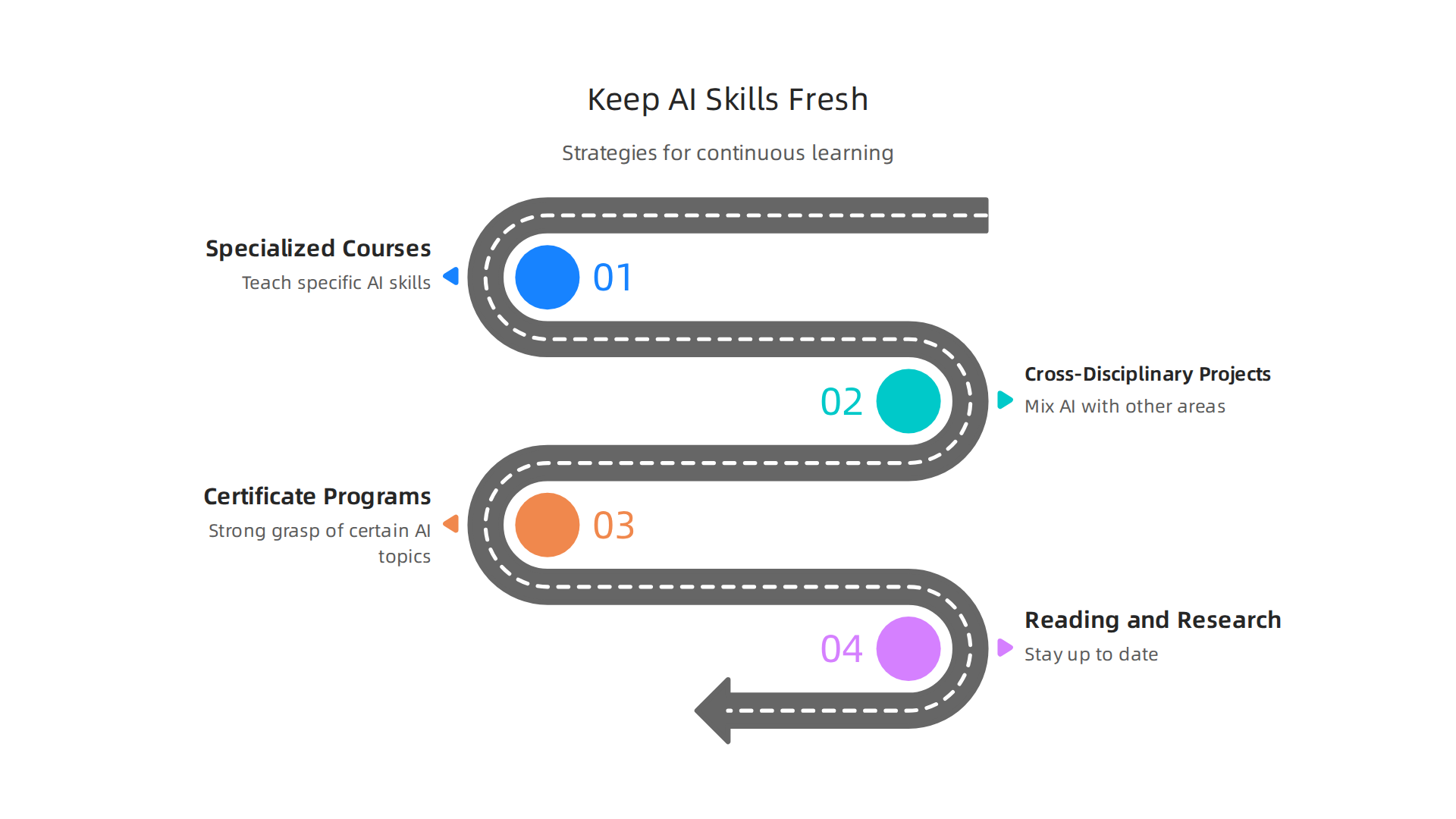
- Specialized Courses: Look for classes that teach you very specific AI skills, like how to work with big data or create smart computer vision systems. These can be online or at local colleges.
- Cross-Disciplinary Projects: Work on projects that mix AI with other areas, like healthcare or manufacturing. This helps you see how AI can be used in different ways.
- Certificate Programs: Getting a certificate shows you have a strong grasp of certain AI topics. These programs can often be completed faster than a full degree.
- Reading and Research: Stay up to date by reading about new AI discoveries and trends. This helps you understand what’s coming next.
Investing in your own learning can save companies a lot of money in the long run. Some reports show that for every dollar put into AI training, companies save $4 to $5 in avoided costs 1. Role-Specific Ai…. This makes you a very valuable employee for roles from a data scientist resume to a data analyst remote position. Learning about how to master AI and data business strategy for 2026 growth can also give you a big advantage.
Ethics, Rules, and Fitting In
When you work with AI, especially in fields like defense, it’s not just about the tech. It’s also about doing things the right way. This means understanding:
- Ethics: How do we make sure AI is fair and doesn’t cause harm? For example, in 2026, many places are looking at how to keep humans in charge of AI, making sure that AI systems don’t just do whatever they want without oversight International AI Safety Report 2026. Companies want people who think about these big questions. Learning about ethical AI principles and real-world impact is increasingly important.
- Compliance: These are the laws and rules that companies must follow. In defense, rules around data security and privacy are very strict. You need to know how to handle sensitive information responsibly.
- Company Culture: Every workplace has its own way of doing things. AI companies, especially those dealing with advanced technology, often have unique cultures. Many now use a mix of in-office and remote work, with most leaders expecting these setups to keep changing 80+ Hybrid Work Statistics in 2026: Productivity & Preferences. Companies want people who are curious about AI and feel safe to suggest new ideas 2026 Work Trend Index report: Agents, human agency …. Being able to work well in these changing setups and understand how to manage data responsibly is a big plus.
Summary
This article explains how the AI job market transformed in 2026, with demand for AI talent skyrocketing and companies like Shield AI seeking highly specialized candidates. It covers which roles are most in demand—ML engineers, MLOps, research scientists, and systems engineers for embedded and defense contexts—and why employers now prefer narrow, production-ready skills over general knowledge. The piece outlines the technical, product, and soft skills that make applications stand out, and gives practical advice for crafting resumes and portfolios that prove real impact. It also walks through common interview formats, security and culture considerations for defense-adjacent firms, and smarter ways to find opportunities beyond blind applications. Finally, it stresses continuous learning, ethics, and compliance as essential to long-term success in AI careers.