
How to Use AI for Startup Success A Founder and Investor Guide

Artificial intelligence, or AI, is changing the way businesses work in a big way in 2026. For people leading startups, making big investments, or planning for a company’s future, knowing how to use AI is super important. It’s not just a fancy new thing; it’s a powerful tool that can help businesses grow faster, find new ideas, and make smarter choices. In fact, reports show that generative AI tools reached almost 53% adoption across the population within just three years, showing how quickly people are starting to use them Artificial Intelligence Index Report | Stanford HAI.
But here’s the thing: with so many new AI tools coming out every day, it’s easy to feel lost.

You might hear about "field AI" or how "IoT companies" are using smart tech, and wonder what’s right for your needs. People often face problems like too much information, not knowing if an AI tool is truly helping their business make money (unclear ROI), or worrying about picking the wrong company to work with. These challenges can make it hard to figure out the best way to use AI.
This article is here to help you cut through all that noise. We’ll give you clear steps and ideas on how to use AI tools smartly. You’ll learn about practical ways to bring AI into your work, how to pick the best tools for your business, and how to plan for using AI in the long run. We’ll explore topics like how generative AI assistants are changing new businesses and funding opportunities. This guide will show you how to truly benefit from AI without getting overwhelmed.
To keep up with the latest in AI and technology, you can get daily updates directly to your inbox.
The AI Newsletter Worth Reading
AI Tool Categories & Practical Use Cases: A taxonomy for founders and investors
It’s true, figuring out the best way to use AI can feel like a maze. To make it easier, let’s break down AI tools into clear types.
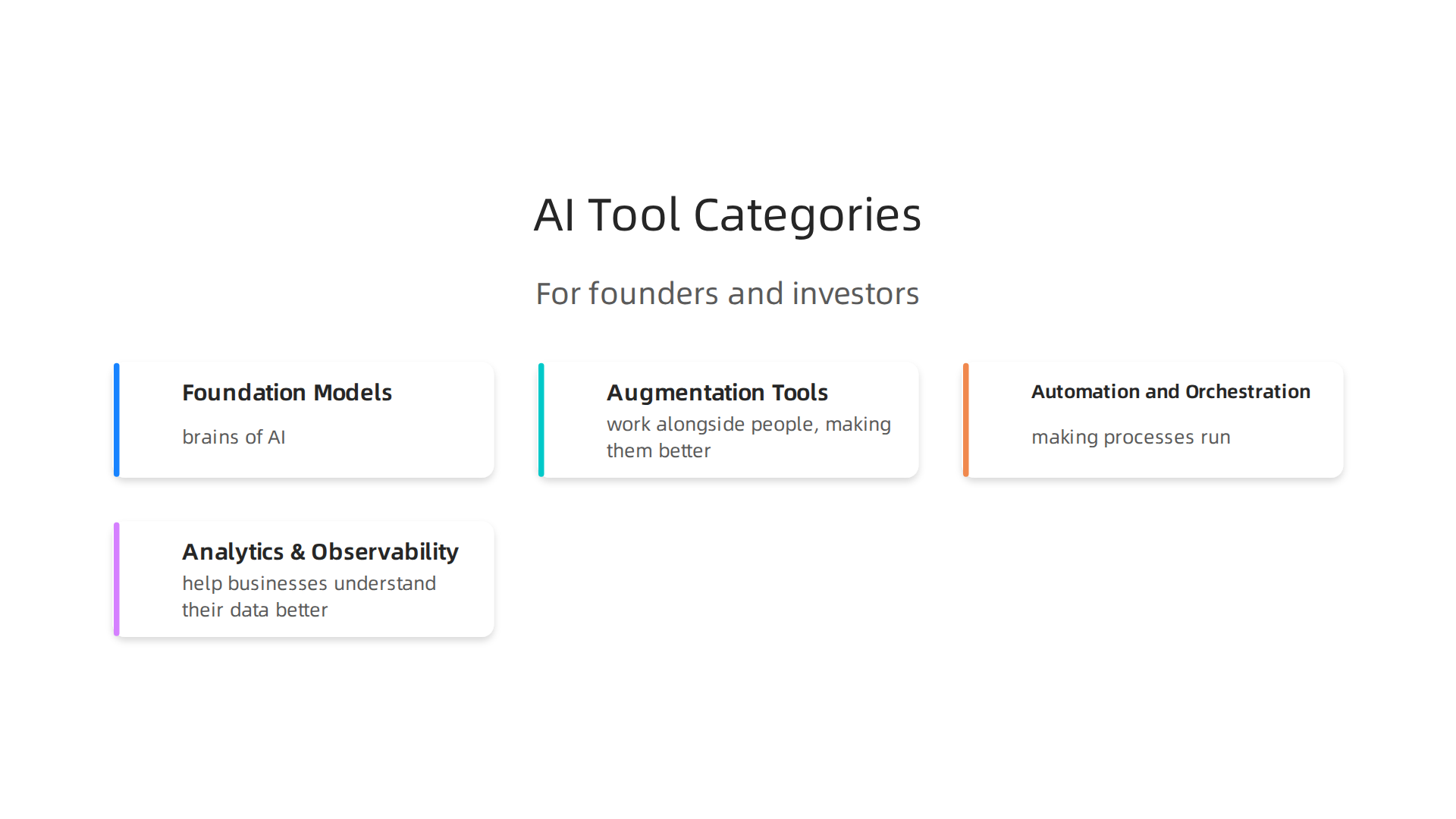
Knowing these categories helps founders and investors understand what each tool does and how it can truly help their business.

This isn’t about getting bogged down in technical words; it’s about seeing the big picture of how to use AI wisely.
Major AI Tool Categories and Startup Uses
Think of AI tools like different kinds of machines in a factory. Each one does a special job.
-
Foundation Models: These are like the main brains of AI. They are very large models trained on huge amounts of data and can do many different tasks. Think of them as a base that other AI tools build upon. Large Language Models (LLMs) are a good example. They can understand and create human-like text, which is great for writing, customer service, and even coding help. Many startups use these models to quickly build new features or services without having to train an AI from scratch. Learning about the Opportunities and Risks of Foundation Models can give you a deeper understanding.
- Startup Workflow Example: A marketing startup might use a foundation model to draft blog posts or social media updates quickly. An investor could use one to summarize long company reports.
-
Augmentation Tools: These AI tools work alongside people, making them better and faster at their jobs. They don’t replace people but help them do more. This is where you see many everyday AI helpers.
- Startup Workflow Example: Imagine a customer support team using an AI tool like Smith AI to answer common questions or sort customer emails, so human agents can focus on harder problems. A sales team might use an AI to suggest the best things to say to a client. These tools show us how generative AI assistants are reshaping startup innovation and funding in 2026.
-
Automation and Orchestration: These tools are about making whole processes run on their own or making different systems work together smoothly. They are great for tasks that are repeated often. This is where "field AI" comes into play, automating tasks directly where work happens, like in factories or logistics.
- Startup Workflow Example: An e-commerce startup might use AI to automate order processing and shipping updates. For "IoT companies" (companies that use smart devices), AI automation can manage vast networks of sensors and devices, predicting when machines need maintenance or adjusting settings based on real-time data. A tool like Limitless AI might automate meeting summaries or scheduling.
-
Analytics & Observability: These AI tools help businesses understand their data better and keep an eye on how things are running. They find patterns, predict future events, and spot problems before they get too big.
- Startup Workflow Example: A health tech startup could use AI to analyze patient data to find trends in diseases or treatment success. An investor might use these tools to track market sentiment around their portfolio companies or identify emerging industry trends for market scanning.
AI for Investors: Finding and Growing Success
Investors also gain a lot by knowing how to use AI. Here’s how different AI tools fit into their work:
- Deal Sourcing: AI can scan many sources like news, social media, and industry reports to find new startups that might be good to invest in. It can highlight companies meeting specific criteria, saving a lot of research time.
- Due Diligence: Before investing, investors need to check a company thoroughly. AI can help by quickly going through financial records, legal documents, and market research to find risks or promising signs that a human might miss.
- Portfolio Operations: Once an investor has put money into a startup, AI can help that startup grow. This might mean using AI to boost sales, improve customer service, or make operations more efficient.
- Market Scanning: Investors must always know what’s happening in the market. AI tools can continuously watch for new trends, competitive shifts, and changes in consumer behavior, helping investors make smart choices for their existing investments and future plans.
Choosing the Right AI Tools: Impact vs. Cost
When picking AI tools, it’s smart to think about two main things:
- How much impact will it have? Will this tool really help your business make more money, save time, or solve a big problem?
- How hard will it be to set up and use? Some tools are easy to plug in and use right away, while others need a lot of changes to your existing systems.
For founders and investors, it’s often best to start with "quick wins." These are tools that offer a lot of impact without being too hard or costly to integrate. For example, using an augmentation tool to help customer service might be an easier first step than building a complex automation system from scratch. As you get more comfortable, you can then look at bigger, more powerful AI solutions to keep driving growth.
Practical Workflows: How to use AI in day-to-day startup operations
Okay, so we’ve looked at what kinds of AI tools are out there and how investors use them. Now, let’s get down to the real talk: how to use AI in the daily work of a startup. This isn’t just about big, fancy plans; it’s about making small, smart changes that help your team every single day.

For founders and investors, knowing these practical steps can make all the difference in seeing real results from AI.
AI in Everyday Startup Life
Think about the different jobs people do in a startup. AI can step in and make many of these jobs easier or faster.
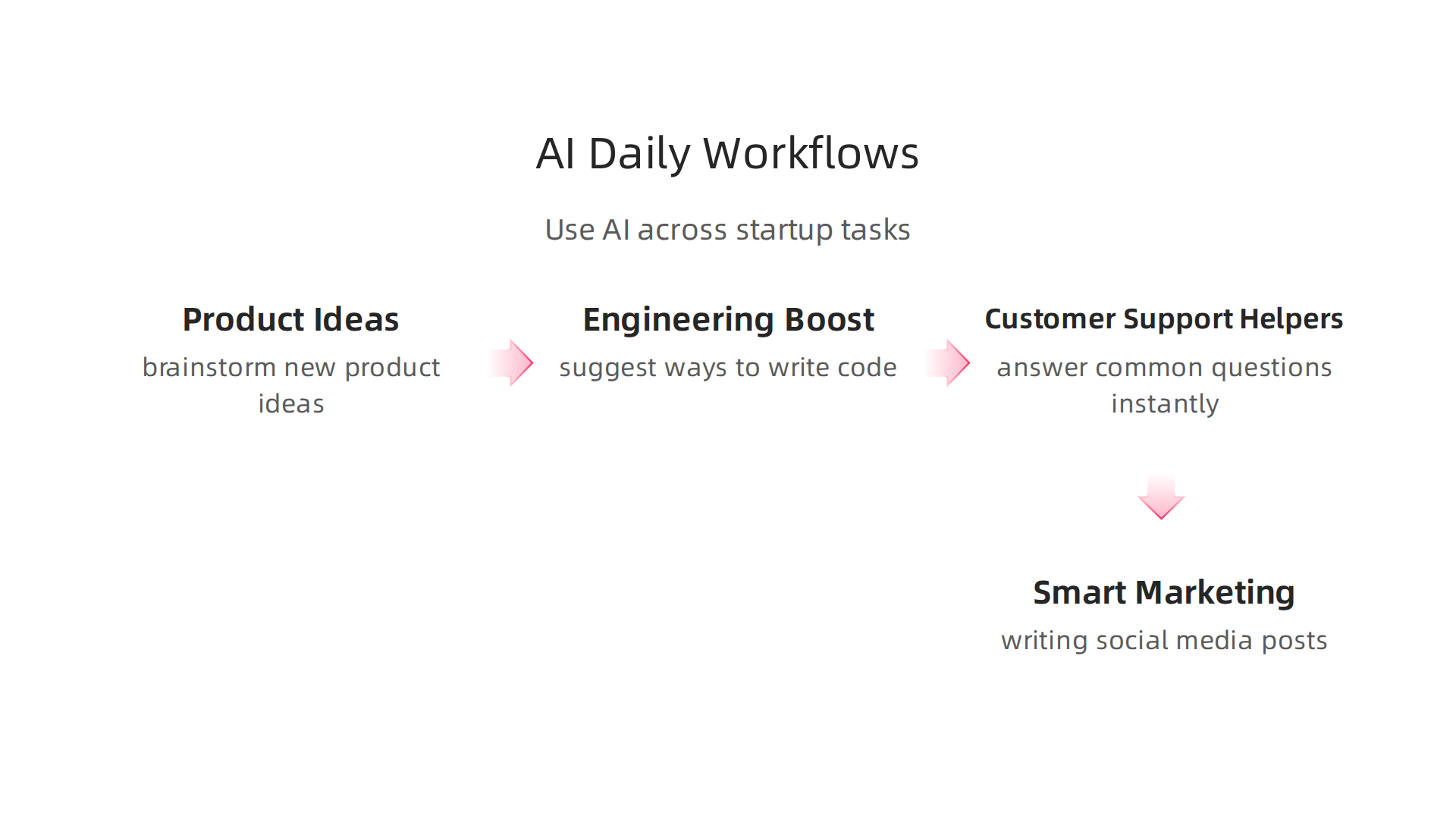
- Product Ideas: Getting new ideas for products or features can be tough. AI can help here! You can ask an AI to brainstorm new product ideas based on market trends or customer feedback. It can even help design simple mock-ups or suggest how a new feature might work. This saves time and helps teams think bigger.
- Engineering Boost: For the people who build your product, AI is a powerful helper. It can suggest ways to write code, find mistakes in code, or even write small pieces of code automatically. This helps engineers work faster and build better products. Keeping up with what’s happening in AI is important for all leaders in 2026, as discussed in AI Trends That EVERY Leader Needs to Know in 2026.
- Customer Support Helpers: Your customer service team talks to many people every day. AI tools can answer common questions instantly, freeing up your team to handle harder problems. They can sort emails, chat with customers, and even understand how a customer is feeling. This makes customers happier and your support team more effective.
- Smart Marketing: Getting the word out about your startup is key. AI can help with marketing by writing social media posts, coming up with ideas for ads, or even making short videos. It can also help you understand which marketing efforts are working best. To learn more about how AI can help your marketing grow, read about how to unlock startup growth with AI powered sales and marketing tools.
Making AI Work for You: Integration Tips
Bringing AI into your startup doesn’t have to be a headache. Here are some simple ways to make it fit right in:
- Picking the Right AI Parts (APIs): Many AI tools offer "APIs." Think of an API like a special plug that lets your startup’s software talk to the AI tool. You don’t need to build the AI yourself; you just plug into one that’s already built. Choose APIs that do exactly what you need and are easy to connect.
- Giving Clear Instructions (Prompts): When you use AI, especially for creating text or ideas, you need to give it clear instructions. These instructions are called "prompts." The better your prompt, the better the AI’s answer. It’s like asking a helper for something; you need to be specific.
- Watching AI Work (Observability and Monitoring): Just like you watch your team to make sure they’re doing a good job, you need to watch your AI tools. "Observability" means checking that the AI is working correctly and giving helpful results. "Monitoring" means keeping an eye on it over time. This helps you catch problems early.
- Checking the Score (Measuring Impact on KPIs): How do you know if using AI is actually helping? You need to measure its impact. For example, if you use AI for customer support, check if customer waiting times go down or if customer happiness scores go up. These are called "Key Performance Indicators" (KPIs), and they tell you if your AI efforts are worth it.
Easy AI for Everyone: Low-Code and No-Code
Here’s some great news for startups: you don’t always need a team of expert coders to use AI.
"Low-code" and "no-code" tools are like building blocks for software. They let you use AI by dragging and dropping pieces or filling out simple forms, without writing a lot of complex code. This means people who aren’t engineers can still set up and use AI tools quickly and safely. For example, a marketing manager could use a no-code AI tool to set up automated email campaigns or analyze social media trends, all by themselves. This makes it much easier for non-engineering teams to start using AI to boost their work right away.
In 2026, many startups are finding success by smartly adding AI into their daily tasks. The trick is to start small, measure your results, and always look for ways to make your team’s life easier.
Want to stay on top of all the exciting changes in AI every day?
The AI Newsletter Worth Reading
Now, let’s look at how AI helps in the world of money, especially for people who invest in new companies. This part is for investors and people trying to get money for their startups. AI can make finding good deals and checking them out much simpler and faster.
AI for Fundraising & Investor Relations: tools that surface deal flow and streamline diligence
Finding the right startup to invest in is a bit like looking for a hidden treasure. There are so many new companies, and it’s hard to know which ones will do well. This is where AI comes in handy. It helps investors find exciting new businesses, check them carefully, and even talk about them better to other investors.
Finding the Best Opportunities with AI
Imagine having a super-smart assistant who can read through thousands of company pitches and market reports in minutes. That’s what AI can do for investors.
- Spotting New Ideas: AI tools can look at lots of data about new companies and market trends. They can find patterns that humans might miss, pointing investors to new startups that fit what they are looking for. This is often called "deal flow." These tools are getting smarter every day, making it easier for investors to find promising startups. Many investors are using specialized tools for startup scouting in 2026.
- First Checks: When a new company comes along, investors need to do a quick check to see if it’s worth more time. AI can help with this "initial screening." It can quickly look at a company’s business plan, team, and market size to give a first idea if it’s a good fit. This saves a lot of time and helps investors focus on the most promising ventures. It’s how to use AI to make quicker, smarter first decisions.
- Researching Trends: Investors often like to put money into specific types of businesses, like those using new energy or cutting-edge health tech. AI can help with "thematic research" by gathering all the latest information and news on these special areas. This helps investors understand where the market is going and find companies that fit their goals. For instance, AI can help discover startup project opportunities using AI and data analytics.
Making Due Diligence Easier
Once a startup looks interesting, investors need to check everything about it very carefully. This is called "due diligence." It involves looking at financial records, legal papers, customer lists, and much more.
- Automating Checks: AI can read and understand huge amounts of documents much faster than any person. It can flag important details, find possible problems, or make sure all the paperwork is in order. This means investors get key information quicker and can make decisions faster. For example, AI adoption by firms in 2026 has shown significant impacts on operations and sales volume per employee, according to recent Firm Data on AI.
- Summarizing Company Data: After collecting all that information, AI can put it into easy-to-read summaries. It can pull out the most important facts and figures, helping investors get a clear picture without getting lost in too many details.
- Creating Investor Stories: Investors often need to explain why they are investing in a company to others. AI can help write clear and convincing summaries or presentations that highlight a startup’s strengths and potential. This makes it easier to get more people excited about an investment.
What to Watch Out For: Risks and Checking AI’s Work
While AI is a powerful helper, it’s not perfect. It’s important to remember that AI tools learn from the data they are given. If that data isn’t good or is biased, the AI’s answers might not be right.
- Always Double-Check: Investors should never just blindly trust what an AI says. It’s important to use AI for help, but then still do manual checks. This means having people look over the AI’s findings to make sure everything is correct and reliable.
- Understanding Limitations: Know that AI might not catch every tiny detail or understand every complex situation. Human judgment is still very important, especially when making big decisions about where to put money. This careful approach helps make sure investments are sound.
Even though AI can be a great helper, it’s super important to choose the right AI tools carefully. Just like you wouldn’t buy a car without checking its safety features, you shouldn’t use an AI tool without looking into its security and how it follows the rules. This is especially true for startups and investors trying to figure out how to use AI in a smart and safe way in 2026.
Evaluating AI Tools: security, compliance, and vendor risk for startups
When you pick an AI tool, you’re trusting it with important information and tasks. So, you need to be sure it’s safe and follows all the necessary rules. This means looking closely at who made the AI, how it handles your data, and what happens if something goes wrong.
Checking for Safety and Privacy
Think about these things when looking at an AI tool:
- **How the AI handles your data:
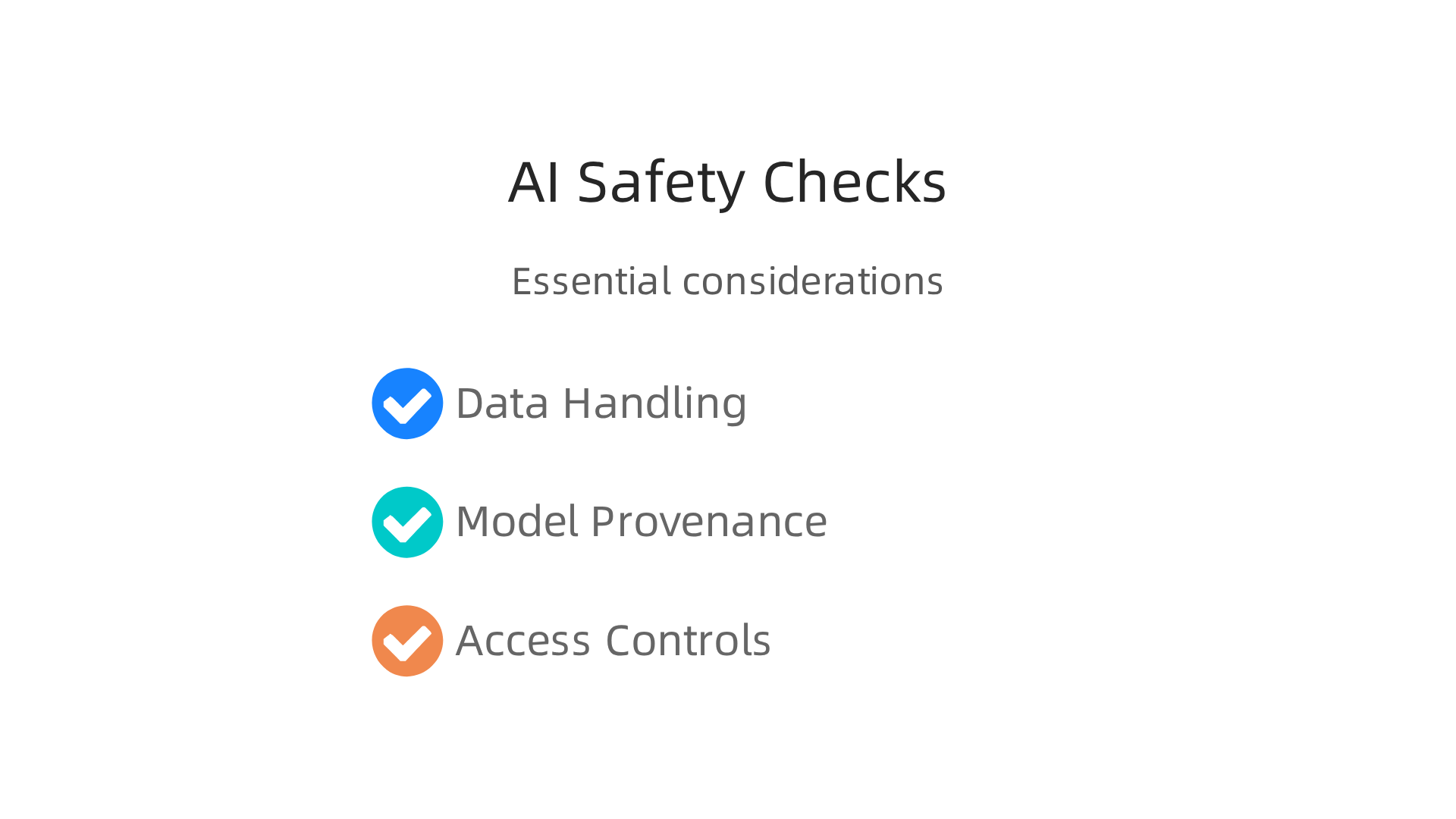
** Does the AI tool keep your information private? Where does it store the data, and who can see it? You want to make sure your sensitive company details or customer information are safe from prying eyes. Many AI tools, often called "foundation models," have broad uses but also come with new risks, as explained in a report on the Opportunities and Risks of Foundation Models.
- Where the AI came from: Do you know how the AI model was built and what information it learned from? This is called "model provenance." Knowing this helps you trust the AI’s results. If the AI was built using bad or biased data, its answers might not be fair or correct.
- Who can use the AI: This is about "access controls." Only the right people should be able to use your AI tools and see the data within them. Make sure the AI system has strong ways to check who is logging in and what they can do.
Following the Rules (Compliance and Legal Risks)
The world of AI is still quite new, but there are already rules about how companies should use it. These rules are changing fast in 2026.
- Industry-specific rules: Some types of businesses, like health care or finance, have very strict rules about data. If you’re in one of these "field AI" areas, your AI tools must follow those specific laws. It’s important to understand the Top 7 industries with stringent AI compliance needs in 2026 to see if your business is affected.
- New AI laws: Governments are creating new laws for AI. For example, there’s growing focus on AI Regulation in 2026: The Complete Survival Guide for Businesses in various regions. You need to pick AI tools that are ready to follow these new rules as they come out. Looking at these emerging standards helps keep your startup out of trouble.
- Vendor risk: When you use an AI tool from another company, that company becomes your "vendor." You need to check if they have good security and privacy practices too. Their problems could become your problems.
What to Do If Things Go Wrong (Operational Controls)
Even the best AI can sometimes act in unexpected ways. You need a plan for this.
- Watching the AI: You should always monitor your AI tools to make sure they are working as expected. If an AI starts giving strange answers or acting differently, you need to know about it right away.
- Having a backup plan: What happens if your AI tool breaks down or gives wrong information? You need an "incident response" plan. This means knowing who to call and what steps to take to fix the problem quickly.
- Fallback strategies: Sometimes an AI model might not work perfectly for a task. You should have a "fallback strategy," which is a plan B, so your business can keep running smoothly even without the AI for a short time.
By thinking about these security, compliance, and operational checks, you can choose AI tools that are not only powerful but also safe and reliable for your startup. For those looking to keep up with the quickly changing world of AI, there’s a valuable resource available. The AI Newsletter Worth Reading delivers clear daily updates from The Deep View Newsletter, helping you stay informed.
Once you’ve made sure your chosen AI tools are safe and follow all the rules, the next big step is to actually put them into action. This means taking your AI ideas and turning them into real product features that customers love and use over and over again. This is about making sure you know how to use AI to make your business better from start to finish.
Integrating AI into Product and GTM Strategy: from MVP to measurable value
Bringing AI into your products means more than just adding a fancy new tool. It’s about careful planning, building, and showing clear value to your users and investors.
Turning AI Ideas into Useful Product Features
Many startups start with a great AI idea or a small test, called a prototype. The trick is to turn that test into something customers will actually pay for and keep using. You need to think about:
- Solving a real problem: Does your AI feature truly help users with something they struggle with? If it solves a big problem, people will want to use it.
- Easy to use: Even the smartest AI won’t be popular if it’s hard to figure out. Make sure your AI-powered features are simple and smooth for everyone.
- Keeping users engaged: Think about how to make users come back. This could be through special notifications, personalized experiences, or just making their tasks much easier. Many companies are finding clever ways to do this, with examples of 15 AI Business Use Cases in 2026 showing real-world success.
Pricing and Reaching Your Market with AI
Once you have a great AI feature, you need to decide how to sell it and how to tell people about it.
- Figuring out the price: How much value does your AI feature bring? Can you save customers time or money? The price should reflect this value. For example, if your AI helps businesses in a specific industry, often called "field AI," to save many hours each week, that’s worth more.
- Teaching your customers: AI can be new and confusing for some. You need to teach your customers what your AI does, how it helps them, and how to use it best.
- Service agreements (SLAs): If your AI is critical for a business, customers will want to know it’s reliable. You might offer a promise about how often your AI will be available and working properly. For startups, mastering how to sell new AI features is key to growth. You can even unlock startup growth with AI powered sales and marketing tools yourself to get the word out.
Showing What Your AI Can Do (Metrics and ROI)
Both customers and investors want to see that your AI features are actually working and bringing a good return on investment (ROI).

- What to measure: You need clear ways to measure success. Are users spending more time on your app? Are they completing tasks faster? Are sales going up? These are your key metrics.
- Running experiments: Try different versions of your AI feature with small groups of users. See which version works best. This helps you prove that your AI is making a real difference.
- Proving value: Put together clear reports that show how your AI is helping customers. This could be case studies or numbers that show how much time or money the AI saved them. For investors, showing solid numbers that highlight positive ROI is crucial for future funding. You need to show that your AI use cases are truly delivering ROI in 2026. Understanding these metrics can also help you discover startup project opportunities using AI and data analytics.
By focusing on these steps, your startup can successfully launch AI products that not only wow users but also show clear, measurable value to everyone involved.
Once your startup has successfully launched AI products and shown how much value they bring, the next big step is to make sure your AI efforts can keep going strong into the future. This means thinking about the right people, managing your money well, and having a clear plan for your AI journey.
Future-proofing AI Adoption: skills, budgeting, and building an AI roadmap
To truly make AI a lasting part of your business, you need to look ahead. This involves getting the right team, smartly spending your funds, and creating a guide for where your AI will go next, all while keeping up with important rules.
Getting the Right Team and Skills for AI
Having the best AI tools means little if you don’t have the right people to use them. As AI grows, so does the need for special skills.
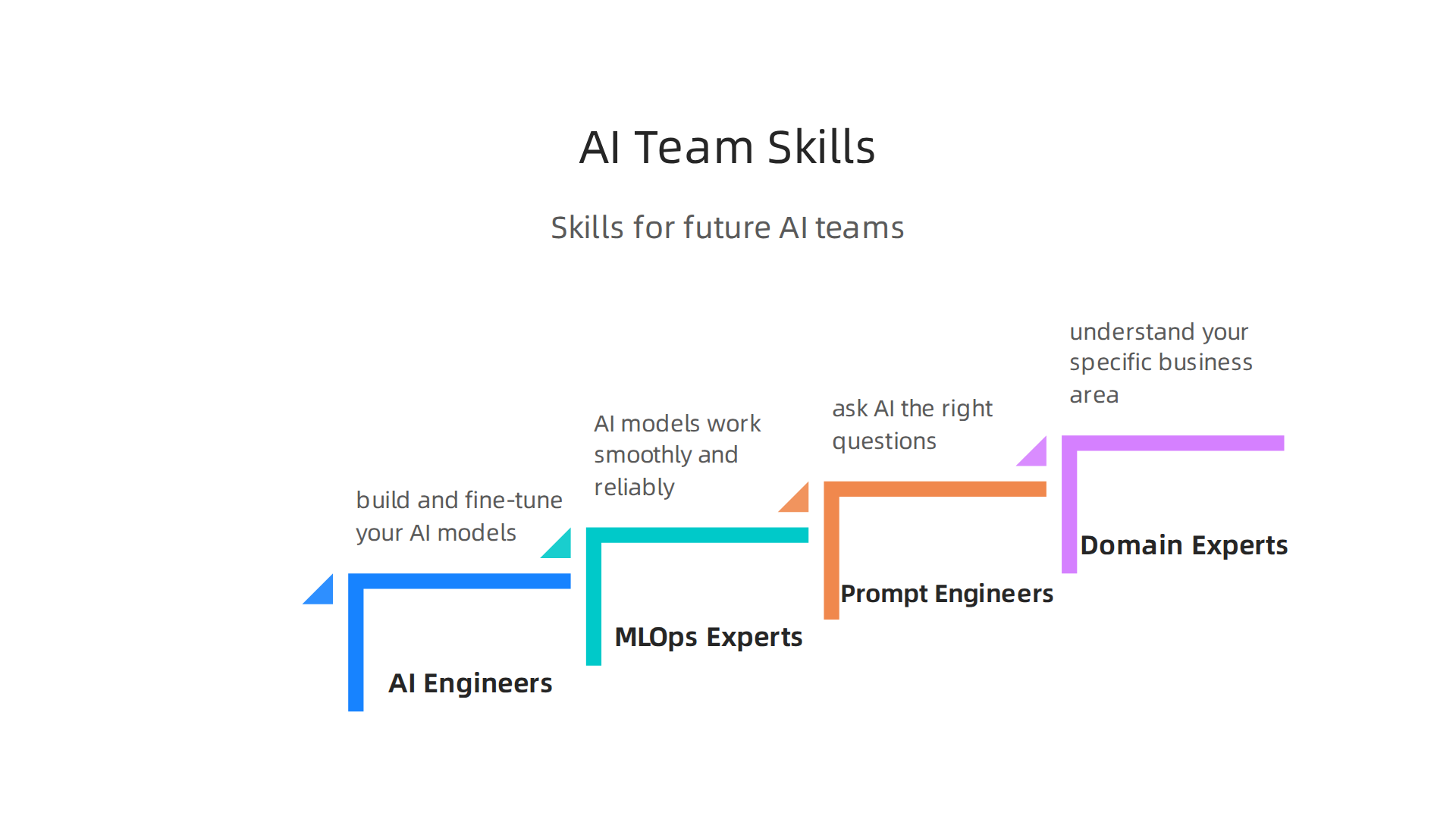
- AI Engineers: These are the people who build and fine-tune your AI models. They need to know Agentic AI vs. Generative AI: What Founders and Investors Need to Master in 2026 and other complex AI systems.
- MLops Experts: This stands for Machine Learning Operations. These folks make sure your AI models work smoothly and reliably in the real world, from testing to deployment. They help you build your modern data pipeline for startup success.
- Prompt Engineers: With AI becoming more like talking to a smart assistant, knowing Synonym Technology: How AI Understands Meaning Beyond Keywords and how to ask AI the right questions is a skill in itself. Prompt engineers are key to getting the best answers and actions from AI.
- Domain Experts: These are people who deeply understand your specific business area. They help make sure the AI solves real problems and adds true value, especially for specialized areas sometimes called "field AI."
Investing in training your current team, or hiring new people with these skills, is crucial for your startup to know how to use AI effectively over time.
Smart Money Choices and Vendor Strategy
Bringing AI into your business costs money, so you need a smart plan for your budget.
- Buy vs. Build: Sometimes it makes sense to buy an existing AI tool or service from another company. This can save you time and money compared to building something from scratch. Other times, for very specific needs, building your own AI might be better. When choosing tools, it’s wise to consider options like Originality AI vs. Genspark AI: Which Tool Should Startups Trust in 2026 to see what fits your needs.
- Pilot Budgets: Start with smaller projects to test new AI ideas. Set clear goals for these pilot projects so you can see if they are worth more investment.
- Vendor Relationships: If you buy AI services, make sure you have good relationships with your providers. Understand their support, updates, and how they handle your data.
A good budget plan will help you make the most of your AI spending.
Building Your AI Roadmap and Staying Compliant
An AI roadmap is like a map that shows where your AI journey is headed. It should balance trying out new things with following all the rules and planning for the long haul.
- Balance New Ideas and Stability: Your roadmap should have room for trying out new AI features and making sure your core AI systems are strong and reliable.
- Stay Up-to-Date with Rules: Laws and rules around AI are always changing, especially in 2026. Your roadmap must include plans to keep up with these rules to avoid problems. For example, understanding AI Regulation in 2026: The Complete Survival Guide for Businesses is essential. Many industries also have specific rules they must follow for AI.
- Long-Term Investments: Think about what big AI tools or platforms you’ll need in the future. Investing early can save you trouble later.
- Compliance is Key: Ensuring your AI systems meet all legal, ethical, and privacy standards is not just good practice, it’s often required. Many places, including the US, have active AI laws and government bodies like the GSA are creating AI strategies and compliance plans to guide responsible AI use.
By planning carefully, your startup can make sure its AI adoption is not just for today but also for many years to come, giving you a strong advantage.
To stay on top of all the fast-changing news and insights in the world of AI, you’ll want the best information. Get clear daily AI updates from The AI Newsletter Worth Reading.
Summary
This article guides founders and investors on using AI effectively in 2026 by cutting through tool noise and focusing on practical value. It explains a simple taxonomy of AI tools—foundation models, augmentation, automation/orchestration, and analytics—and gives concrete startup and investor use cases for each. You’ll learn how AI speeds deal sourcing, automates due diligence, boosts engineering and customer support, and powers smarter marketing. The guide also covers how to choose tools based on impact versus cost, integration tips (APIs, prompts, observability), and low-code/no-code options so non‑technical teams can start fast. It highlights security, compliance, vendor risk checks, and how to measure ROI with clear KPIs. Finally, it outlines hiring needs, budgeting strategies, and how to build an AI roadmap so your adoption is scalable and sustainable.