Originality AI vs Genspark AI: Which Tool Should Startups Trust in 2026

Introduction
Every day, founders, investors, and analysts face a growing challenge. How do you separate human-written insight from AI generated content? And how do you quickly find trustworthy intelligence in an ocean of information?

In 2026, these two questions have become central to how startup professionals work.
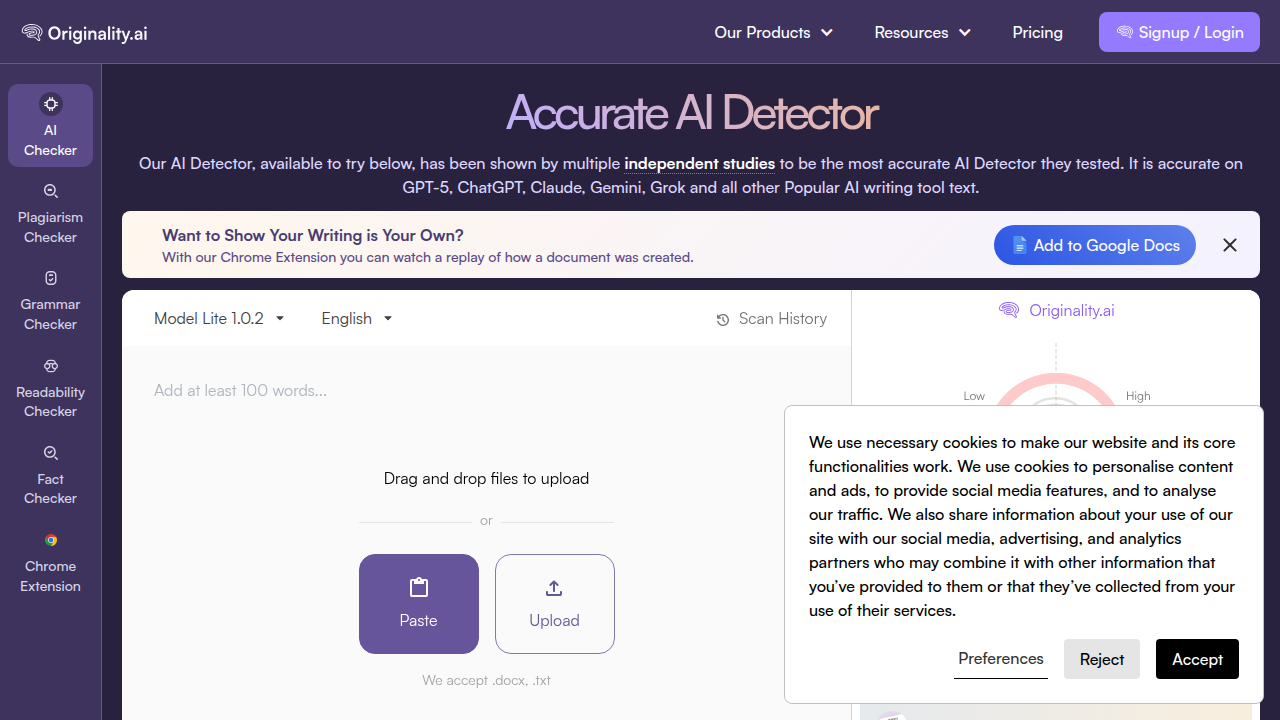
That is where originality ai and tools like it come into play. Originality AI is built to detect AI written text, helping you verify whether content is machine made or human crafted.
On the other side, Genspark AI focuses on discovery and synthesis. It helps you explore topics, package ideas, and generate multi format outputs quickly.
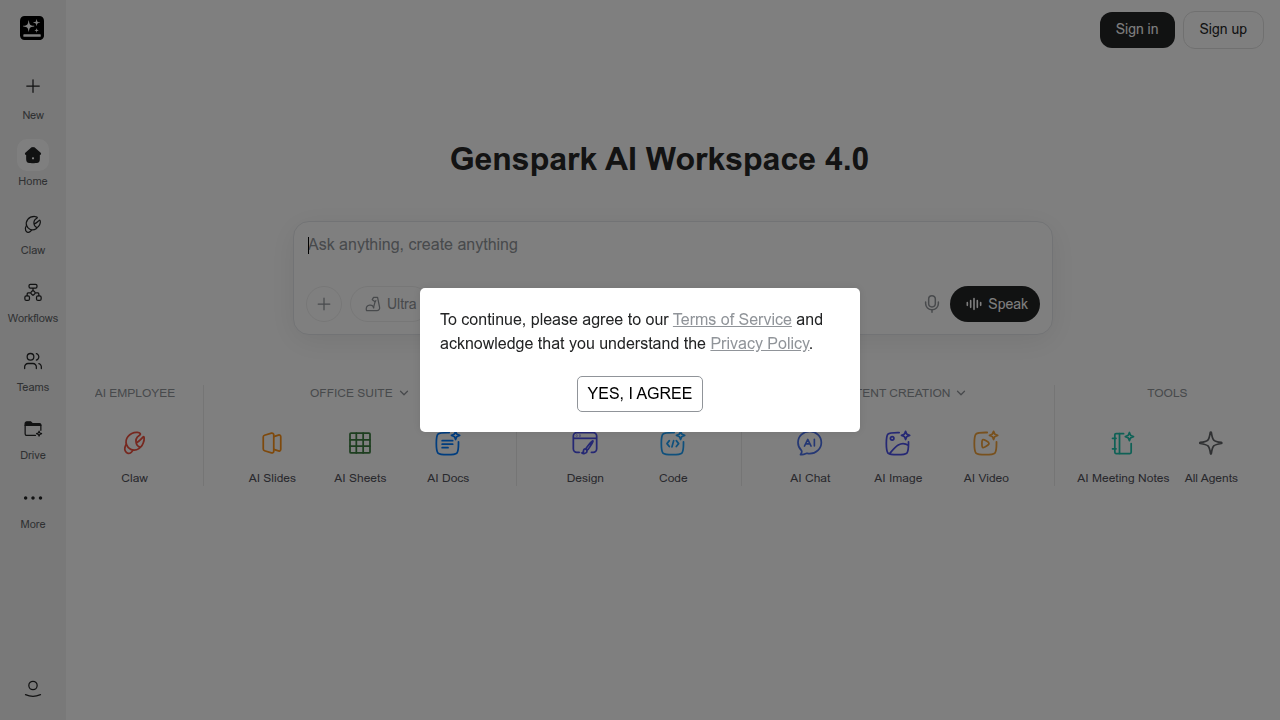
As one review notes, Genspark AI "wins for content heavy teams that need autonomous AI creation, multi format output, and all in one value." The tool is especially useful for gathering intelligence across a wide range of subjects.
But here is the thing. These two tools often get lumped together, even though they serve very different core needs. Originality AI is about detection and quality control. Genspark AI is about exploration and content assembly. Yet many professionals find themselves asking: which one should I lean on for what task?
This article gives you a side by side analysis of Originality AI and Genspark AI. We break down how each tool works, where they overlap, and which one fits specific use cases like data science, competitive analysis, or content verification. By the end, you will know exactly how to pair these tools with your existing data analysis tools and workflows.
If you want to stay ahead of fast moving AI trends and get clear daily updates on tools like these, you can get free updates by joining The Deep View Newsletter.
It delivers simple, actionable insights straight to your inbox.
Understanding the Core Purpose: Detection vs. Discovery
It is easy to group Originality AI and Genspark AI together. But here is the thing. They solve two very different problems. One is a quality check. The other is a research tool. Let us break that down.
Originality AI is built for detection. Its main job is to tell you if text is AI generated or human written. For a founder or an investor, this is all about trust. When you read a pitch deck, a press release, or a market report, you want to know if real human thinking went into it. Originality AI helps with content integrity and due diligence. It acts as a gatekeeper for quality content. It answers the question: "Can I trust where this information came from?"
Genspark AI works on the other side. It is built for discovery and synthesis. It helps you explore topics, gather intelligence, and package ideas fast. As one detailed 2026 comparison points out, Genspark AI "wins for content-heavy teams that need autonomous AI creation, multi-format output, and all in one value." If you are researching a new market or tracking competitors, Genspark AI speeds up the whole process. It answers the question: "What is out there that I need to know?"
Here is a simple look at how they compare side by side:
| Feature | Originality AI | Genspark AI |
|---|---|---|
| Core Goal | Detect AI text and plagiarism | Discover and synthesize information |
| Best For | Verification and quality control | Research and content assembly |
| Main Output | AI detection score, plagiarism report | Summaries, drafts, multi-format content |
For anyone working in data science or using data analysis tools, both capabilities actually matter. You need Genspark AI to find and organize raw intelligence quickly. You need Originality AI to make sure that intelligence is trustworthy before you act on it.
The bottom line: One tool helps you find the truth. The other helps you verify it.
Staying on top of how tools like Originality AI and Genspark AI evolve is a full time job. The Deep View Newsletter does the hard work for you. It delivers clear daily updates straight to your inbox so you can keep your research fast and your data clean. Get Free Updates here.
Accuracy and Reliability: How Well Do They Perform in 2026?
So you run a report through Originality AI and it flags your content as 40% AI. Or you ask Genspark AI to summarize a new market and it pulls data from six months ago. How much can you really trust these tools in 2026?
Let’s start with Originality AI. Detection accuracy is its whole reason for existing. According to a 2026 meta analysis from Originality AI itself, the tool shows strong numbers: a 98% true positive rate and a 98% true negative rate, with only a 2% false positive rate. That means it rarely flags human writing as AI. Another 2026 roundup of trusted detectors found that Originality AI leads the paid category, with free tools needing to stay above 90% accuracy and below 5% false positives to be useful.
But here is the catch. False positives are still a real headache across the industry. A 2026 study on how professors detect AI found a mean false positive rate of 61.3% for some detectors. That is scary. Imagine a founder submitting a pitch deck with their own original thinking, and an AI detector calls it machine written. That mistake can hurt trust fast. So while Originality AI performs well, no tool is perfect. You should always double check flagged results.
Now look at Genspark AI. It works differently. It does not detect AI writing. It synthesizes information from its own proprietary index and real time web scanning. So its accuracy depends entirely on two things: the freshness of its data and the quality of its sources. If Genspark AI scrapes an old blog post or a low authority site, your summary will be outdated or misleading. Unlike detection tools that give you a clear percentage, Genspark AI gives you a narrative. Verifying that narrative is on you.
The bottom line for both tools? Independent tests and user reports matter more than marketing claims. If you are using Originality AI for due diligence, cross check with other detectors. If you rely on Genspark AI for research, always verify the source date and credibility.
Staying current on how these tools change is tough. The Deep View Newsletter gives you simple daily updates on AI tools, accuracy trends, and what actually works in 2026. Subscribe Free here.
Use Cases for the Startup Ecosystem
So how do these tools actually get used in the real world of startups? It depends on whether you are a founder pitching your next round, an investor sizing up a deal, or a corporate team scanning for the next big trend.
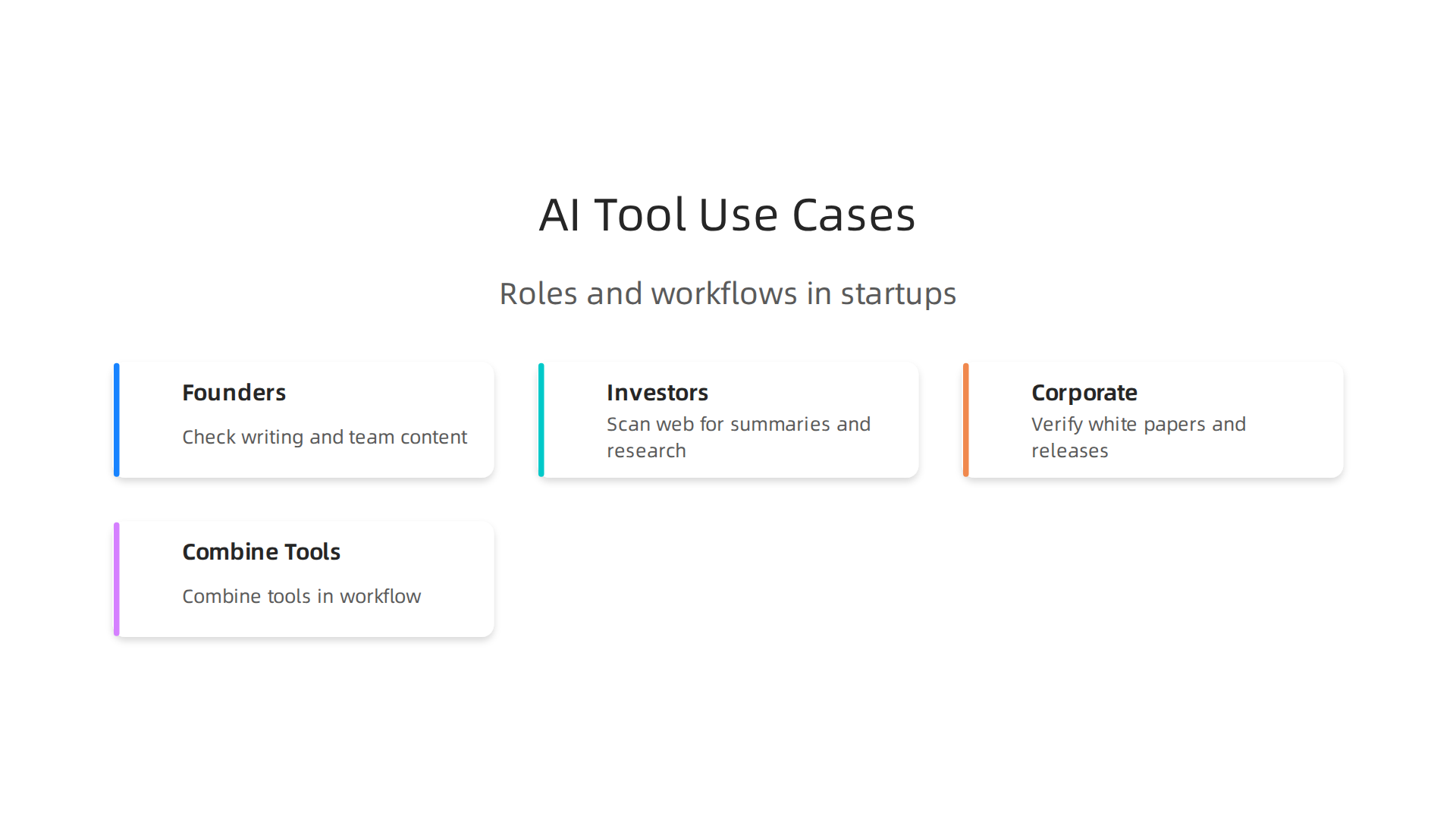
Each role needs something different from both Originality AI and Genspark AI.

Let’s break it down.
For Founders
If you are a founder, your pitch deck, investor updates, and white papers need to feel human. You cannot afford to have a potential investor run your materials through a detection tool and see a red flag. Many founders now use Originality AI before sending anything out. It is a quick way to check your own writing or content from team members. According to a 2026 analysis of the best AI detectors, Originality AI leads the paid category for accuracy. That gives you confidence when you press send.
But you also need to vet content from outside. Maybe a freelancer wrote your case study. Or an AI writing assistant helped draft a blog post. Running those through an AI detector helps you catch issues before they hurt your brand. Major industries like publishing and HR are already using AI detection to protect trust. Your startup should too.
For Investors
Investors live in data. You need to find deals fast and do your homework on new markets. That is where tools like Genspark AI come in. They can scan the web and pull together a summary of a trending sector or a competitor’s latest moves. Real world AI use cases from leading organizations show that investors use this kind of synthesis for market research and deal sourcing.
But you also need to verify the output. Genspark AI depends on fresh, high quality sources. If it pulls from old data, your decision making suffers. That is why savvy investors pair AI search with a human check. And when reading pitch decks or founder communications, many investors run samples through an AI detector like Originality AI to see if the ideas feel original or mass produced.
For Corporate Innovation Teams
Corporate teams have a different job. They scan hundreds of startups, track emerging trends, and perform due diligence on potential partners. Both tools help here. Use Originality AI to check the authenticity of a startup’s white paper or press release. Use Genspark AI to get a quick overview of a new technology area you do not know well.
The data science behind these tools keeps improving. Independent tests of 30 AI detectors show that accuracy and false positive rates vary widely. So stick with tools that have proven results, like Originality AI for detection. And always double check the source dates in Genspark AI summaries. The best approach combines automation with your own judgment.
Keeping up with which tool works best for each use case can feel overwhelming. That is why thousands of founders and investors rely on quick, clear updates. Get Free Updates from The Deep View Newsletter to stay ahead.
Pricing, Scalability, and Integrations
Now that you know how founders, investors, and corporate teams use these tools, let’s look at the practical side: what they cost, how well they scale, and how they connect with your existing workflow.
Originality AI uses a pay-as-you-go model based on the number of words you check or scans you run. You can buy small or large packages depending on your volume. For bigger teams, Originality AI offers API access. That means you can plug detection directly into your content management system, writing platform, or data pipeline. No more copy-pasting every document. This is huge if you need to check hundreds of articles or reports each month. The tool is built for scalability.
Genspark AI, on the other hand, is currently free. That makes it easy to test and use for quick searches or summaries. There are hints that premium tiers may roll out later, but for now you get a lot without spending a cent. The downside is unclear API availability. If you want to embed Genspark AI into your own internal tools or automated workflows, you may not have an easy path. That could slow down adoption for data-driven teams.
Integrations make or break workflow adoption. A tool that sits in your browser is fine for personal use. But when you manage a content operation, you need things to talk to each other. Origin`ality AI’s API connects with popular platforms, making it a strong choice for publishers and startups that already use data analysis tools. Genspark AI shines for ad-hoc research but lacks the plug-and-play feel that enterprise teams often need.
Pricing and features change fast in 2026. The best way to keep your toolkit up to date is to stay in the loop. Get Free Updates from The Deep View Newsletter and get simple daily AI insights straight to your inbox.
The Trust Factor: Privacy, Data Handling, and Transparency
When you’re working with sensitive business data, trust matters just as much as price. Actually, it probably matters more. Founders, investors, and corporate teams handle everything from financial projections to confidential product roadmaps. So what happens when you upload that information into an AI tool?
Let’s start with originality ai. Their privacy policy is public and detailed. They state clearly that they retain no personal data after a scan is complete. They also use advanced encryption to protect your data both during transfer and while stored. According to their privacy policy, users can opt out of data collection in compliance with regional laws like GDPR and CCPA.
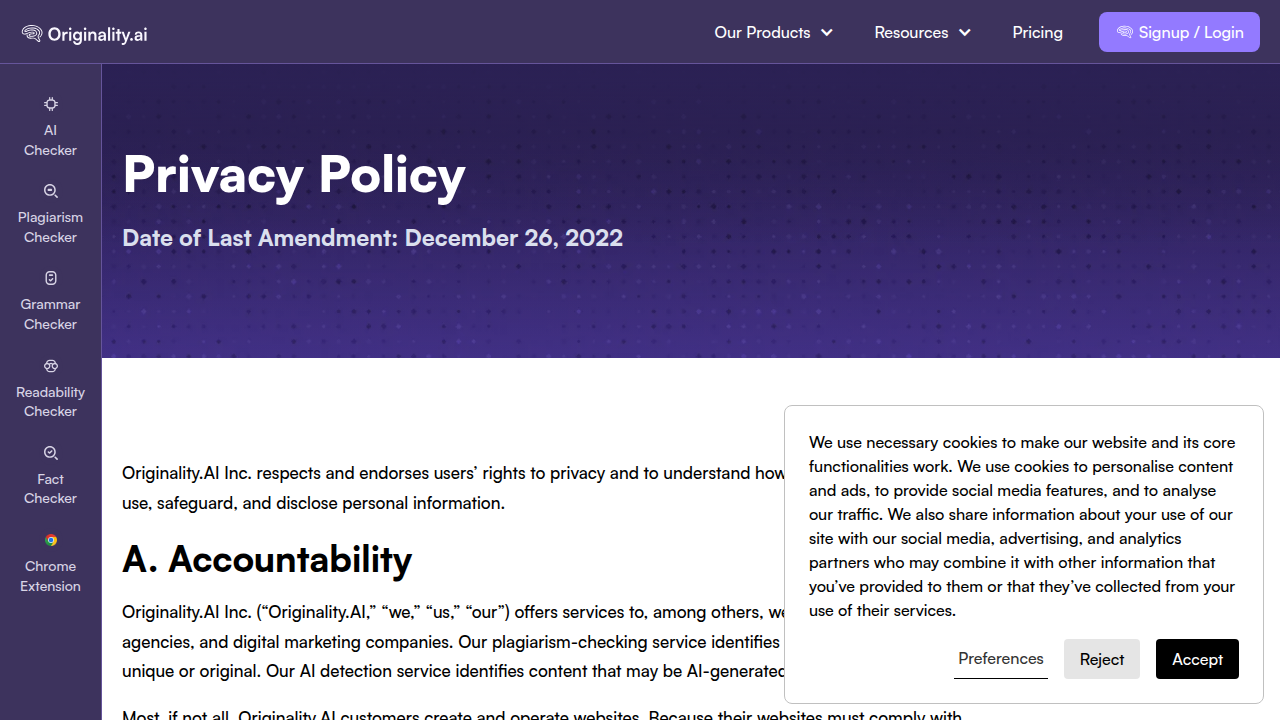
That matters if your business operates in Europe or California. They even explain in a blog post that they never sell your data to third parties. For anyone concerned about data handling, that’s a strong signal.
Now look at genspark AI. It’s free and fast, which is great for quick research. But here’s the thing: Genspark’s data handling policies are much less transparent. Public documentation about data retention, encryption standards, and compliance with laws like SOC 2 is hard to find. If you’re a data science team member or someone who relies on solid data analysis tools, that uncertainty can be a dealbreaker.
Transparency reports also play a big role. Originality AI provides a breakdown of how your content is treated, including the ability for users to opt out of model training. A video walkthrough shows the steps they take to secure data. For startup professionals, knowing exactly where your information goes and how long it stays there is crucial. A lack of transparency can introduce risk, especially when you’re working with information covered by non-disclosure agreements or proprietary strategies.
In 2026, data privacy isn’t just a checkbox. It’s a core part of vendor evaluation. The more you know about a tool’s data practices, the better you can protect your business. To keep up with how AI and data privacy evolve, get free updates from The Deep View Newsletter and get simple daily insights delivered to your inbox.
Decision Matrix: When to Use Which Tool (and How to Combine Them)
So now you know the trust factor behind both tools. The question is: which one should you actually use in 2026? The smart answer is that it depends on the job you need to do. Think of it like building a team. You would not ask your accountant to design your website, right? Same idea here.
| Feature | Originality.ai | Genspark AI |
|---|---|---|
| Primary Strength | Verification, privacy, and trust | Speed, exploration, and creation |
| Best Use Case | Checking content for AI, plagiarism, and data safety | Brainstorming ideas, quick research, first drafts |
| Pricing | Paid, built for professionals who need accuracy | Free tier available, great for getting started |
| Data Handling | Very clear. GDPR, SOC 2, user opt-out options | Less transparent on long-term data storage |
When to use originality ai.
Reach for Originality.ai when accuracy and safety matter most. If you are sending a pitch deck to an investor or publishing a blog post under your name, you need to know the content is original and trustworthy. Its strong privacy policies make it the right choice for anyone doing serious data science work or handling sensitive company information. You want a tool that treats your data with care.
When to use genspark AI.
Genspark AI shines when you need to move fast. It is your brainstorming buddy. Use it when you are stuck on a blank page or need to explore a topic you know nothing about. It helps content-heavy teams create quick drafts and summaries. As one review of the latest Genspark AI features explains, many teams use it for "thinking, exploring, and packaging ideas."
**The winning strategy: Combine both tools.

**
Here is the secret most top startups use in 2026. They do not choose one. They use both in a workflow.
First, use Genspark AI to do heavy research and create a rough draft. It helps you get ideas out of your head and onto the page fast. Then, take that draft and run it through Originality.ai. Check for plagiarism. Check the AI detection score. Make sure the facts are solid. This hybrid approach gives you the speed of Genspark and the trust of Originality.
This workflow is how you get the best of both worlds. You use AI to save time, but you never sacrifice the quality and integrity your business needs to grow. It turns AI from a risky shortcut into a reliable team member.
Keeping up with the best AI strategies can feel like a full-time job. But you do not have to do it alone. Subscribe Free to The Deep View Newsletter and get simple daily insights on AI tools and startup trends delivered straight to you.
Future Outlook: What’s Next for Detection and AI Search Tools?
So where is all this heading? The world of AI detection and search tools is changing fast. Here is what to expect in the next year or two.
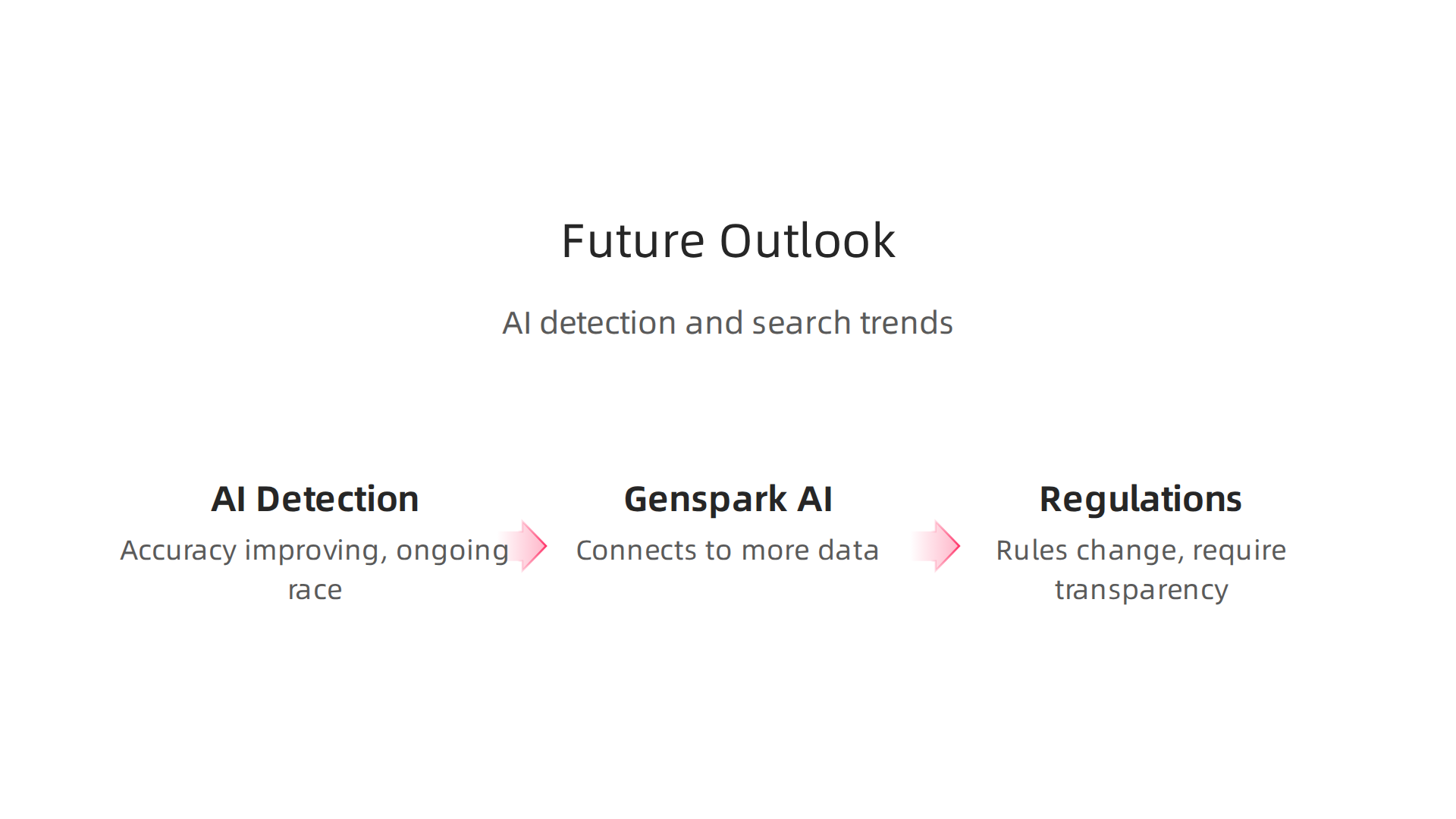
AI detection accuracy keeps getting better, but it is a race.
Tools like Originality.ai are already very good. A recent study roundup shows Originality.ai has a false positive rate of just 2% and a false negative rate of 2%. That means it rarely flags human writing as AI or misses AI content. Other top detectors like GPTZero also claim accuracy above 99%. But here is the problem. Generative AI models improve every few months. As they get better, detection tools have to work harder. It is an arms race. The tools that win will be the ones that update constantly and use real data, not guesses.
Genspark AI and similar tools will connect to more data.
Right now, AI search tools mostly scan the public web. But soon they will plug into your internal company files, spreadsheets, and databases. Imagine a tool that can answer questions about your business data using natural language. That is the direction Genspark AI and other generative search tools are moving. In fact, Gartner predicts that by 2026, traditional search engine volume could drop by 25% as people turn to AI assistants. That shift will make tools like Genspark even more useful for data analysis and quick research.
Regulations will change the rules for everyone.
New laws like the EU AI Act are coming. They will require transparency in how AI models train and how detection tools work. This means companies like Originality.ai and Genspark AI will need to show how they handle privacy, bias, and accuracy. It is a good thing. Clear rules can help users trust the tools they rely on for data science and content verification.
The future is not about picking one side. It is about understanding these changes so you can make smart choices for your work. Staying up to date with AI trends is easier when someone does the digging for you.
Get Free Updates from The Deep View Newsletter and get simple daily insights on AI tools and industry shifts delivered right to your inbox.
Summary
This article compares Originality AI and Genspark AI to help startup professionals choose the right tool for verification or discovery. It explains that Originality AI focuses on detecting AI-written text and protecting content integrity, while Genspark AI excels at fast research, synthesis, and multi-format content generation. The piece reviews accuracy benchmarks, reliability limits, and real-world use cases for founders, investors, and corporate innovation teams, then covers pricing, scalability, APIs, and privacy practices. It highlights that no tool is perfect: detection tools can produce false positives and search tools can return outdated or low-quality sources. The recommended workflow is practical—use Genspark for rapid research and drafting, then run outputs through Originality AI for verification. The article also outlines data-handling differences, regulatory trends, and how to combine both tools responsibly. After reading, you’ll know which tool to reach for in specific scenarios and how to build a hybrid process that balances speed with trust.